
أولا - التعريف الأساسي والقيمة الكلية
"ثورة خفيفة الوزن في السيارات" هي ببساطة جعل السيارات أخف وزنا لجعلها أكثر كفاءة وصديقة للبيئة. عندما نخفض وزن السيارة، فإنها تستخدم طاقة أقل. كما أنها تعمل بشكل أفضل بشكل عام وتكلف أقل لتشغيلها يومياً.
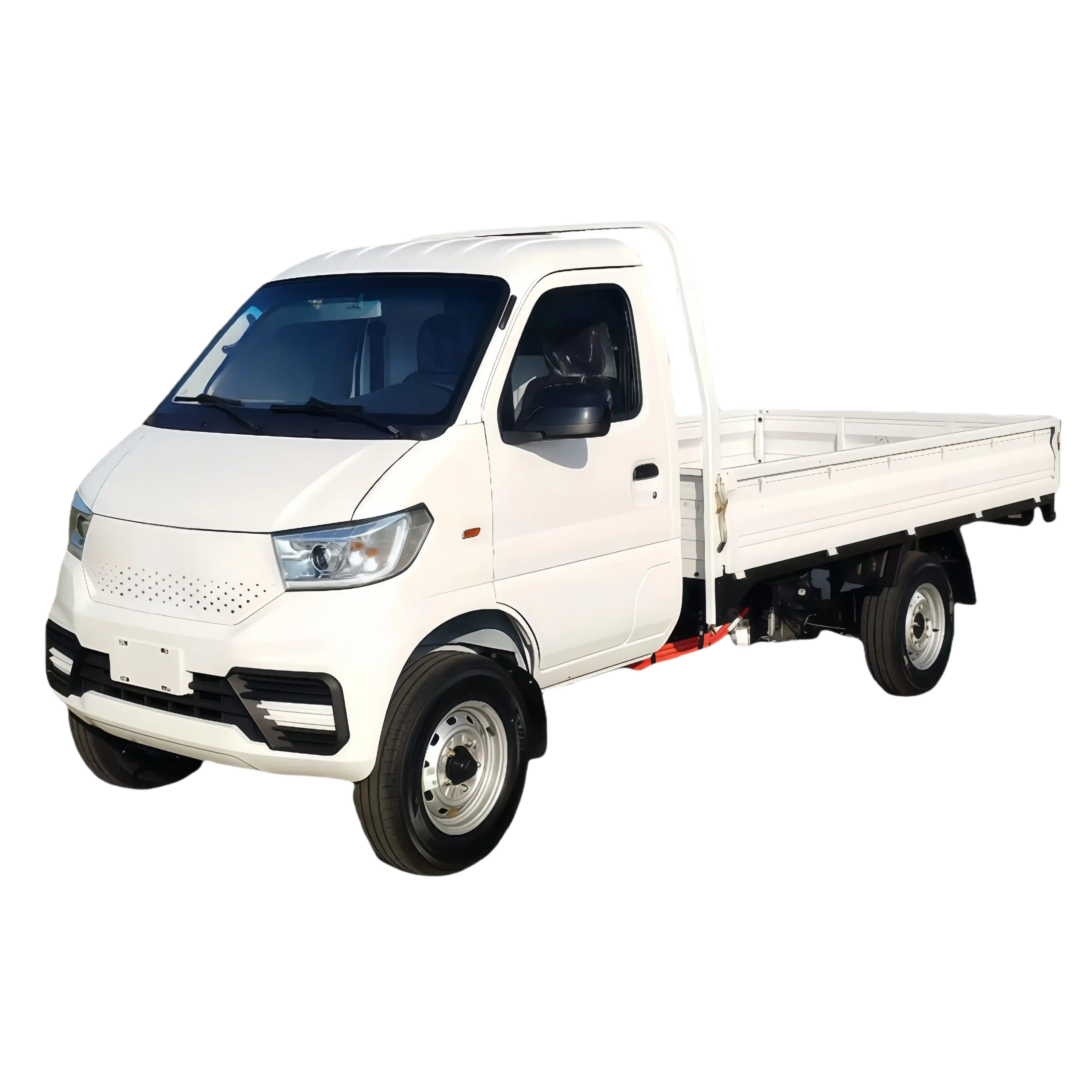
بالنسبة للشركات مثل تايرويالتركيز على خفيفة الوزن المركبة مرتبطة ارتباطا وثيقا بتصميم السيارات الكهربائية في المدينة, السيارات الكهربائية ذات العجلات الأربع و المركبات التجارية الخفيفة الكهربائية. هذه السيارات تحتاج لتناسب جميع أنواع احتياجات العملاء في المدن وللاستخدام التجاري.
ثانياً. تفكيك تقني متعدد الأبعاد
الابتكار في المواد
وتستخدم التكنولوجيا الخفيفة الوزن مواد جديدة مثل الألومنيوم والفولاذ عالي القوة والبلاستيك المركب لجعل المركبات أخف وزنا مع الحفاظ على قوتها وسلامتها.
تصميم وتحسين الهيكل
استخدم المهندسون تصاميم مبتكرة لتقليل وزن المركبات دون التضحية بالسلامة أو الأداء. ويشمل ذلك تعديل شكل الجسم وتصميم الإطار وكيفية ترتيب الأجزاء. وبهذه الطريقة، تستخدم المركبات مواد أقل لكنها لا تزال قوية ودائمة.
تقنيات التصنيع
تتيح لنا عمليات التصنيع المتقدمة صنع أجزاء أخف وزنا بكميات كبيرة. تساعد تقنيات مثل ختم أجزاء اللحام وتشكيل الدقة الشركات على إنشاء أجزاء جسم سيارات قوية وخفيفة الوزن - مثالية للسيارات التجارية والخاصة.
ثالثاً - نقاط الألم في الصناعة والنزاعات الأساسية
تحديات تكلفة المواد
إحدى المشاكل المتعلقة بخفيفة الوزن هي أن المواد المتقدمة عادة ما تكون أغلى من المعادن التقليدية. ويمكن أن يؤدي ذلك إلى زيادة تكاليف إنتاج السيارات، مما يجعل من الصعب على المصنعين الحفاظ على أسعارهم بأسعار معقولة.
توازن السلامة والأداء
لا يمكننا جعل السيارات أخف وزنا على حساب السلامة. يجب على المصممين اختبار والتحقق من أن المواد الخفيفة والهياكل الجديدة لا تزال تلبي معايير السلامة العالمية. هذا التوازن مهم لجميع السيارات، بما في ذلك السيارات التجارية الكهربائية والخفيفة.
التكامل التكنولوجي
تقنيات خفيفة الوزن الجديدة تحتاج الموردين والمصممين والمصنعين للعمل عن كثب مع بعضهم البعض. هذا يمكن أن يكون صعبا، خاصة عندما تكون خطوط الإنتاج معقدة بالفعل.
رابعاً - حل تايروي
تايروي جعلت ثورة الوزن الخفيف للسيارات جزءا رئيسيا من كيفية تصميم السيارات. باستخدام المواد الخفيفة الوزن والتصميم الهيكلي الذكي ، تجعل Tairui السيارات الكهربائية في المدينة, السيارات الكهربائية ذات العجلات الأربع و المركبات التجارية الخفيفة الكهربائية أكثر كفاءة في استخدام الطاقة وأفضل استخدام.
تايروي يستخدم أيضا تقنيات متقدمة لأجزاء جسم السيارات. على سبيل المثال ، يستخدم أجزاء لحام خفيفة الوزن ومكونات ألياف الكربون المخصصة. هذا يساعد العملاء على الحصول على سيارات قوية وفعالة وتتناسب مع احتياجاتهم المحددة.
خامسا - القيمة التجارية والتزام الخدمة
تايروي تصاميم خفيفة الوزن تجلب فوائد حقيقية للعملاء. وتستخدم المركبات الخفيفة طاقة أو وقود أقل مما يقلل من تكاليف التشغيل ويكون أفضل للبيئة. كما أنها تؤدي بشكل أفضل - مثل التسارع الأسرع والتعامل الأسهل.
تايروي كما تقدم خدمات كاملة للعملاء ، من المساعدة في التصميم الأولي إلى الدعم التقني لما بعد البيع. وهذا يضمن كل سيارة خفيفة الوزن يستمر في جلب القيمة والأداء الجيد لفترة طويلة.
سادسا - الاستنتاج
ثورة خفيفة الوزن السيارات هي اتجاه رئيسي في صناعة السيارات. دعت تايروي الشركاء ومشغلي الأسطول ومبتكري التنقل لإنشاء منصة للسيارات الخفيفة الوزن – بما في ذلك السيارات الكهربائية الحضرية, الكهربائية أربع عجلات و المركبات التجارية الخفيفة الكهربائية.
سابعاً - أسئلة متكررة
Q1: ماذا يعني خفيف الوزن للسيارات؟
يشير إلى استخدام مواد جديدة وطرق تصميم لجعل السيارات أخف وزنا مع الحفاظ على الأداء.
س2: كيف يحسن الوزن الخفيف السيارات الكهربائية؟
السيارات الخفيفة لديها استهلاك طاقة أقل، مما يعني مدى قيادة أطول.
Q3: هل الوزن الخفيف آمن؟
نعم! مع التصميم والاختبار الصحيحين، لا تزال السيارات الخفيفة الوزن تستطيع الوفاء بمعايير السلامة والحفاظ على حماية الركاب.