
El suave sonido de un motor eléctrico se está convirtiendo en el ruido de fondo habitual en áreas urbanas ocupadas en estos días. Probablemente ya las has notado: máquinas pequeñas, ordenadas y muy silenciosas de cuatro ruedas que se mueven rápidamente por las carreteras del vecindario o se sientan en espacios de aparcamiento estrechos de la ciudad donde un gran SUV nunca se apretaría. Pero a medida que se acerca a cambiar su viejo coche hambriento de gasolina por una opción más pequeña y amigable con la tierra, una preocupación principal podría retenerlo: ¿Realmente puedo usar esto en las calles normales sin que la policía me detenga? ”
El área de los tipos de vehículos puede parecer un camino confuso lleno de términos cortos y palabras legales difíciles. Sin embargo, una vez que entiendas las reglas sobre seguir la ley, ese se convierte en el último paso antes de que puedas comenzar el fácil movimiento de pequeños paseos. Este artículo explicará los puntos legales, las necesidades de seguridad y los modelos exactos que conectan un carro de golf simple a un automóvil completo de tamaño completo.
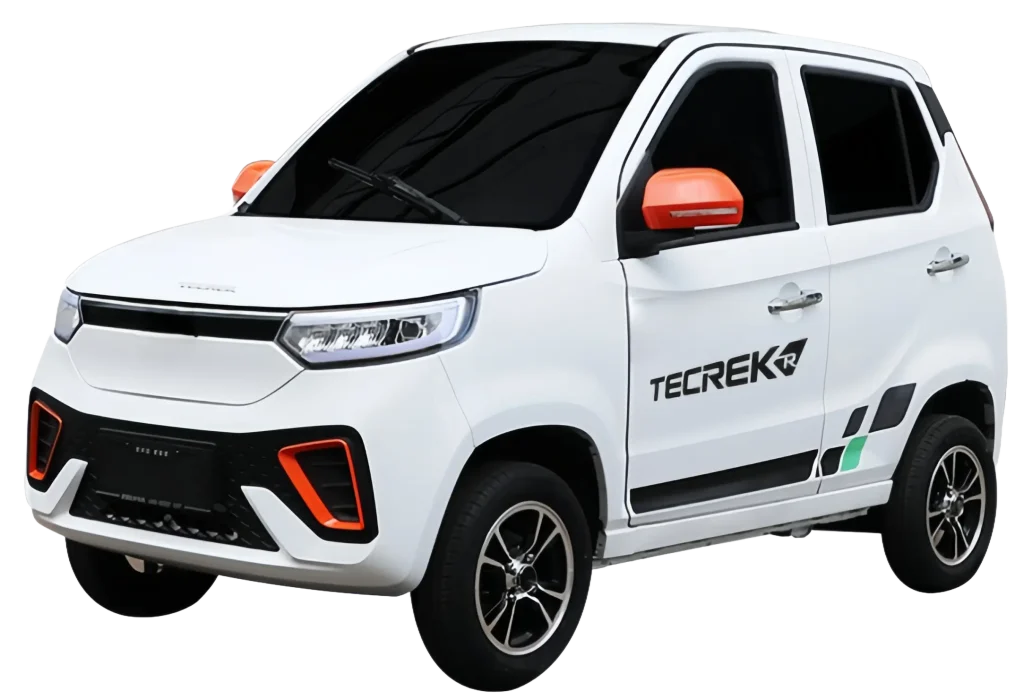
¿Qué define un LSV y por qué es importante para usted?
Para averiguar si una máquina está permitida en las calles, primero debe saber qué tipo es exactamente. Un LSV no es simplemente un carro de golf bonito. Mientras que un carro de golf está hecho para el césped en un campo, un LSV está construido para superficies de carreteras duras. De acuerdo con las reglas mundiales, estas máquinas a menudo se establecen por sus límites de velocidad máxima, normalmente mantenidos a 25 mph (40 km / h) en los Estados Unidos o colocados bajo las directrices de la categoría L en Europa, lo que ayuda a mantener las cosas claras para los compradores en todas partes.
Elegir una máquina que coincida con este rango legal exacto le permite saltarse los enormes costos de seguro y los molestos pasos para inscribirlo como un coche normal, todo mientras todavía puede usar las carreteras. Aquí es donde el Vehículo Urbano de Pasajeros Realmente destaca. No es una versión más pequeña de un coche. es una respuesta especialmente hecha para viajes cortos al trabajo. Al adherirse a estos límites de velocidad y peso, estas máquinas llenan un lugar especial en la ley que le da acceso a la mayoría de las carreteras de la ciudad con límites de velocidad de hasta 35 mph, haciendo que los viajes diarios sean más suaves y prácticos para las personas en lugares concurridos.
El papel del peso y la potencia en la clasificación
Además de la velocidad, los funcionarios verifican el límite de peso total del vehículo. La mayoría de los LSEV necesitan permanecer por debajo de 3.000 libras para encajar en el grupo básico de seguridad. Dado que estas máquinas no son pesadas, ponen menos estrés en las carreteras y puentes de la ciudad, y se mantienen mucho más seguros para las personas que caminan en lugares concurridos de la ciudad. Esta diferencia en la ley es lo que los convierte en la mejor opción para aquellos que se preocupan por el medio ambiente y quieren un viaje constante sin tamaño extra, lo que permite un mejor flujo en el tráfico sin añadir daños a la carretera con el tiempo.
Estándares globales: navegar por el paisaje legal
Las reglas de conducción cambian en función de su ubicación. Si vive en América del Norte, la guía clave es el Estándar Federal de Seguridad de Vehículos a Motor 500 (FMVSS 500). Este grupo de directrices especifica las partes exactas que deben añadirse a la carrocería de la máquina para que pueda conducir en las calles, asegurando que todo cumpla con los niveles básicos de protección para los usuarios.
En Europa, el sistema cambia a la categoría L. Puedes encontrar palabras como L6e (cuadriciclos ligeros) o L7e (cuadriciclos pesados). Estos grupos deciden si necesita un permiso de conducir completo o si una licencia de bicicleta funciona bien. No importa el lugar, el objetivo de estas leyes sigue siendo el mismo: asegurarse de que las pequeñas máquinas que ahorran combustible puedan compartir los caminos de forma segura con los camiones grandes y los coches familiares habituales, promoviendo una mezcla equilibrada en las carreteras para todos los involucrados.
Cuando busca una empresa que maneje bien estas piezas complicadas, ShanDong TaiRui aparece como una opción líder. Situado en el centro principal de China’ s haciendo área, actúan como un enlace inteligente entre los looks de coches de estilo antiguo y la nueva tecnología de vehículos eléctricos. Como alguien con conocimiento en esta área, he visitado muchas plantas, pero ShanDong TaiRui’ manera de añadir “ coche grande” artículos de protección en “ coche pequeño” Los tamaños son lo que los hace diferentes. No solo montan máquinas; crean formas de moverse que se ajustan a las estrictas necesidades de los mercados mundiales, por lo que cuando trae sus mercancías, recibe un dispositivo establecido para registrarse, no un problema para solucionar más tarde, lo que ahorra tiempo y esfuerzo a largo plazo.
Esenciales de seguridad: La lista de verificación legal de la calle
No puedes simplemente agregar una placa de señalización a una caja de alimentación eléctrica y esperar que funcione bien. Para cumplir con las reglas, su cuadriciclo eléctrico debe tener las mismas herramientas de seguridad que sus miembros más grandes de la familia. Si una máquina pierde incluso uno de estos elementos, puede limitarse a “ solo fuera de carretera” uso, que va en contra del objetivo de una herramienta de viajes de la ciudad, dejándote atascado sin todos los beneficios que esperabas.
Hardware esencial para el cumplimiento
Para que una máquina alcance los niveles FMVSS 500 o de la categoría L europea, debe incluir:
Iluminación de alta visibilidad: cubre luces delanteras, luces traseras, luces de freno y señales de dirección.
Reflectores: colocados cuidadosamente en los lados y atrás para asegurarse de que aparezca por la noche.
Espejos retrovisores: necesita un espejo interior y uno en el conductor’ lado afuera.
Freno de estacionamiento: Una configuración fuerte para mantener la máquina en las colinas.
Parabrisas: Estos deben usar vidrio seguro de calidad automotriz (AS1 o AS5) para protegerse de los trozos voladores.
Cinturones de seguridad: Las correas reales de tres puntos o cinturones de cintura son imprescindibles para mantener a los conductores seguros.
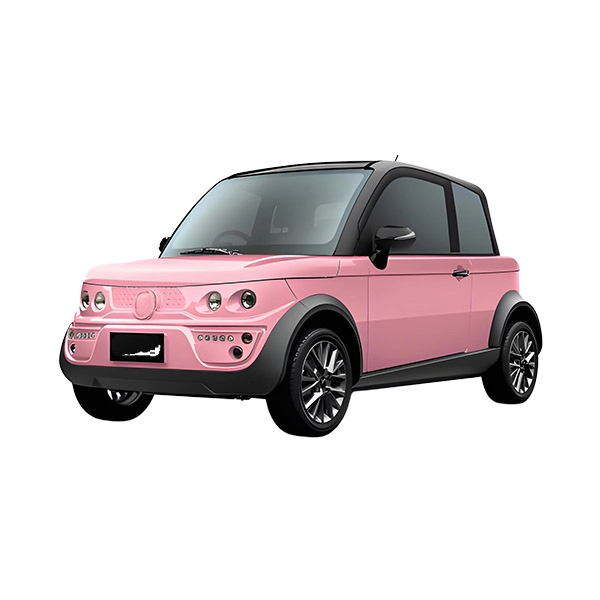
El mini cooper Z001 muestra este seguimiento de reglas en uso real. Aunque su forma toma ideas del famoso modelo británico, sus partes interiores son totalmente nuevas y orientadas a la seguridad. Añade los conjuntos de luz necesarios y construcciones de habitaciones fuertes para superar los controles. Cuando operas una máquina hecha con este tipo de cuidado, haces más que obedecer a la ley. Manténgase a sí mismo y a los que le acompañan fuera de daño, creando confianza para las conducciones cotidianas en tráfico mixto.
Por qué el diseño importa en el mundo de los cuadriciclos
Una máquina puede seguir la ley, pero ¿realmente quieres que otros te vean en ella? Durante años, los LSEV parecían carros de trabajo simples con formas cuadradas. Esos días han pasado. Los nuevos métodos de construcción ahora permiten a los fabricantes crear “ viejo-nuevo” estilos que llaman los ojos por buenas razones, mezclando encanto con función.
La forma en que se ve una máquina afecta su precio de venta posterior y cuánto te gusta usarla cada día. Al elegir un modelo que imite las líneas suaves de un coche pequeño de gama alta, obtiene la sensación agradable de un viaje de lujo con el tamaño pequeño de un pequeño EV. Esta idea en la fabricación también reduce el empuje de aire, que, incluso a 25 mph, puede cambiar la duración de su batería. Un buen flujo de aire significa que viajas más con una sola carga de energía, por lo que tus corridas habituales a la tienda o al trabajo cuestan menos energía y tiempo, encajando bien en una vida ocupada.
Más allá de la venta: mantenimiento y servicio
Obtener un EV permitido en la calle comienza su camino, pero va más allá de esa primera compra. A diferencia de los coches antiguos que necesitan intercambios de aceite, arranques de fuego y correas, los cuadriciclos eléctricos se mantienen fáciles de cuidar con menos piezas para ver. Sin embargo, necesita una manera constante de obtener ayuda cuando sea necesario.
La mejor parte de estas máquinas proviene de su sencilla construcción. La mayoría de las piezas, desde los grupos de luz hasta los suavizadores para el paseo, están configuradas para un rápido alcance y arreglo. Cuando elige un fabricante conocido, abre un flujo constante de piezas adicionales que mantienen su máquina funcionando durante mucho tiempo. Este trabajo constante a lo largo de los años marca un buen LSV realmente. Debería encontrar un grupo que dé documentos simples para inscribirse, ya que el Certificado de Conformidad (CoC) o Origen (COO) adecuado termina el trabajo de hacerlo listo para la calle, evitando retrasos en las oficinas locales.
Poner dinero en un paseo eléctrico de cuatro ruedas te mueve a una forma de vida más limpia, tranquila y mejor. Por recogida Una máquina que respeta las normas de seguridad del mundo y se ajusta a su propio gusto, soluciona el problema de las multitudes de la ciudad mientras se mantiene en el lado legal, lo que abre nuevas formas de moverse sin estrés o costos adicionales en la línea.
Preguntas frecuentes
P: ¿Necesito una licencia de conducir para operar un LSV en carreteras públicas?
R: En casi todas las áreas, sí. Dado que estas máquinas funcionan en calles abiertas con coches normales, la mayoría de los lugares piden al menos un papel básico de conducción de coches. Algunos lugares en Europa dejan “ Cuadriciclos ligeros” ir con un permiso de bicicleta para edades de 14 a 16 años, pero siempre consulte con su oficina local de automóviles o grupo de mudanza para estar seguro y evitar multas.
P: ¿Puedo tomar mi cuadriciclo eléctrico en la autopista?
R: No. Los LSEV no pueden entrar en carreteras o carreteras rápidas en absoluto. Se ajustan a las carreteras con reglas de velocidad de hasta 35 mph (55 km / h) la mayoría de las veces. Intentar usar un LSV en una ruta rápida viola la ley y se mantiene muy arriesgado debido a la gran brecha en velocidades con otros coches a su alrededor.
P: ¿Cómo cargo mi vehículo y necesito una estación especial?
R: La mayoría de los LSEV funcionan para un uso fácil y toman energía de un enchufe casero regular de 110V o 220V. Por lo general se omite la necesidad de un lugar rápido de nivel 2 o nivel 3. Sólo conectarlo por la noche en su garaje o área de conducción, y se llena para su día siguiente’ s viaje, manteniendo las cosas sencillas sin configuraciones adicionales.