
در سال 2025، ضربه کار تحویل شهری از صدای بلند موتورهای دیزل به صدای نرم موتورهای الکتریکی صرفه جویی در انرژی تغییر کرده است. به عنوان “ مناطق کم انتشار ” (LEZs) در اروپا و آسیا گسترش یافته است، حرکت به وسایل نقلیه تجاری سبک الکتریکی (الکتریکی LCVs) از یک انتخاب اساسی زیست محیطی به یک برنامه لازم برای حفظ شرکت های تحویل قوی رشد کرده است. اگر شما در این روزها با یک گروه از کامیون ها کار می کنید، به احتمال زیاد وزن صورتحساب سوخت بالاتر و قوانین سختگیرانه ورود به شهر را احساس می کنید.
این گزارش به دلایل واضحی که الکترونیکی LCV ها انتخاب اصلی برای قرار دادن پول در تحویل آخرین مایل در حال حاضر را بررسی می کند، با تمرکز بر پول نقد و مزایای کاری روزانه که تنظیمات الکتریکی فعلی ارائه می دهند.
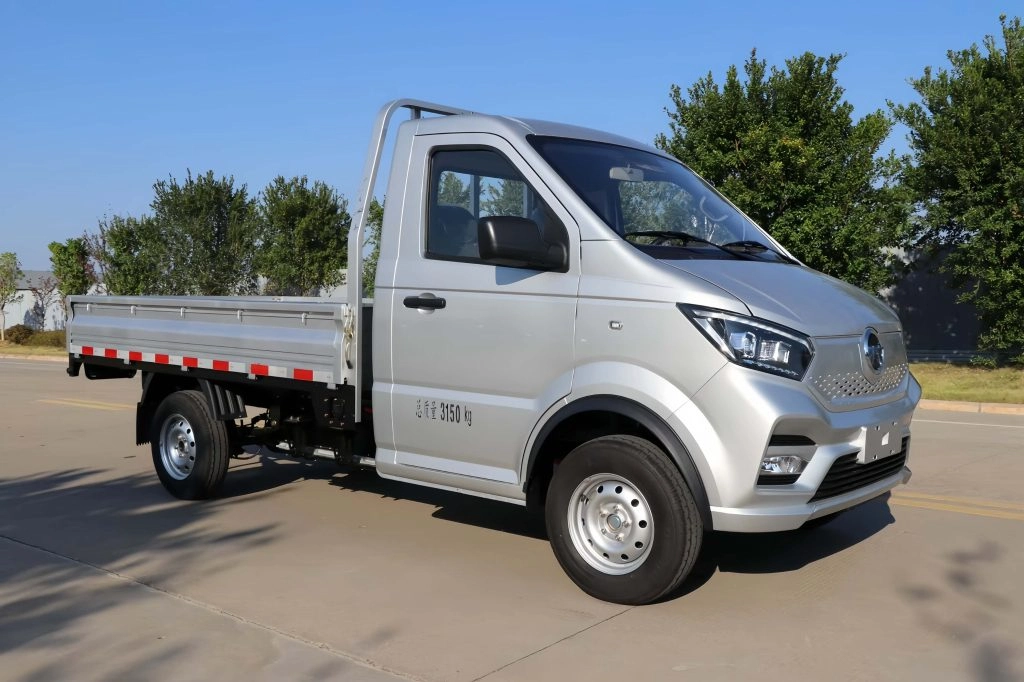
واقعیت مالی جدید: هزینه کل مالکیت (TCO)
وقتی به یک کامیون نگاه می کنید، هزینه شروع فقط بخش آغازی داستان است. اثر پول واقعی در هزینه کل مالکیت (TCO) پنهان می شود. در طول سال 2025، الکترونیکی LCV ها به نقطه کلیدی رسیده اند که در آن به طور مداوم بهتر از ون های معمولی در طول مدت اجاره سه تا پنج ساله هستند.
صرفه جویی در انرژی و تعمیر و نگهداری
یکی از اولین سود هایی که بلافاصله مشاهده می کنید کاهش هزینه های برق است. برق از خروجی ها ثابت است و هزینه بسیار کمتر از دیزل است. به طور کلی، شما باید برای کاهش هزینه برق تا 70٪ برای هر مایل رانندگی خود برنامه ریزی کنید. از آنجا که قطعات محرک الکتریکی حدود ۲۰ بیت کار را در مقابل بیش از ۲۰۰۰ در موتورهای سوختن گاز شمارش می کنند، برنامه تعمیر شما بسیار آسان تر می شود. شما از شغل هایی مانند تعویض روغن، تعمیر دنده یا تنظیمات لوله های خروجی سخت برای اداره اجتناب می کنید. همه این ها منجر به حدود 40٪ هزینه های کمتر برای تعمیر و نگهداری در طول کامیون’ اجرای کامل
نرخ استفاده بالاتر
کار مداوم تنظیمات الکتریکی اطمینان حاصل می کند که کامیون های شما طولانی تر رانندگی می کنند و کوتاه تر در گاراژ استراحت می کنند. برای یک لباس تحویل آخرین مایل، زمان بیکار به معنی لغزش نقد است. وقتی به انرژی الکتریکی تغییر می دهید، بالاترین ساعات ممکن را قفل می کنید، که به شما اجازه می دهد کارهای اضافی را با استفاده از کامیون های یدکی کمتر در خط خود انجام دهید.
ناوبری در پاسپورت سبز: دسترسی شهری و انطباق
رهبران کشورهای سراسر جهان در حال سخت تر و گران تر کردن رانندگی سیستم های دیزل درست در هسته شهر هستند. اگر مسیرهای تحویل شما به مناطق شهر ضخیم منجر شود، یک الکترونیکی LCV به عنوان “ پاسپورت سبز” که کار شما را بدون توقف به طور صاف حفظ می کند.
اجتناب از مجازات و مالیات
بسیاری از شهرها امروز اضافه “ هزینه های تراکم” or “ هزینه های هوای پاک” که سالانه به یک شرکت هزاران دلار برای هر کامیون ضربه می زند. با رفتن با A کامیون تدارکات انتشار صفرهمه اين ضربه ها رو با هم از دست بديد این دستگاه ها به راحتی با سخت ترین قوانین سبز مطابقت دارند و درآمد شما را از مجازات ناگهانی مبتنی بر قوانین محافظت می کنند.
گسترش ویندوز تحویل شما
صدای کامیون ها به نگرانی بزرگتری برای مردم در شهرها تبدیل می شود. از آنجا که کامیون های الکتریکی تقریبا هیچ صدایی ایجاد نمی کنند، آنها معمولا “ تحویل آرام” خیلی خب. این به شما اجازه می دهد تا در زمان های کم ترافیک - شب های اواخر یا صبح زود - زمانی که جاده ها پاک می شوند و نقاط توقف ساده می شوند، دویدن کنید. چنین اتاق برای حرکت می تواند سرعت تحویل شما را تا 15٪ در مقابل شیفت های روزانه با دیزل افزایش دهد. علاوه بر این، این زمان اضافه در را برای برنامه ریزی صاف تر باز می کند، به شما کمک می کند تا از سر و صدای اوج جلوگیری کنید و استرس راننده را کاهش دهید در حالی که مشتریان از ورود سریع تر راضی می شوند.
چرا مهندسی متخصص برای ناوگان شما مهم است
تغییر گروه کامیون شما به الکتریکی نیاز به یک همتیم دارد که نقاط خوب ساخت ماشین را درک کند. این روشنایی که شاندونگ TaiRui قدم به عنوان یک نام برتر جهان. این لباس جامد که در سال 2003 تاسیس شد، به یکی از بزرگترین سازندگان قطعات بدنه کامیون و سیستم های انرژی کاملا جدید چین تبدیل شده است.
با افتخار از یک مکان تولید گسترده که بیش از 260،000 متر مربع به علاوه کالاهای ثابت به ارزش 320 میلیون RMB، آنها بیش از چیزهای پیچ انجام می دهند؛ تازه می سازند. آنها به عنوان یک تولید کننده اصلی دنده برای مارک های بزرگ مانند Foton و SINOTRUK کار می کنند و درجه ای از مراقبت های کارخانه را به سیستم عامل های الکتریکی خود اضافه می کنند که تقریباً هیچ کس لمس می کند. انتخاب یک سواری از ردیف آنها به این معنی است که شما سالها از فشار دادن فلز، پیوستن قطعه ها و مهارت های ساخت پیشرفته را به دست می آورید. رانندگی آنها برای راه های جدید تضمین می کند که هر کامیون سبک تر، سخت تر و بهتر در صرفه جویی در انرژی برای سخت “ توقف و رفتن” علاوه بر این، تاریخچه طولانی آنها در این زمینه دانش واقعی را برای مقابله با چالش های روزمره مانند جاده های خشن یا بارهای سنگین به ارمغان می آورد، در حالی که برای اهداف سبز فشار می دهد که با حرکت بزرگ برای رانندگی های پاک تر در سراسر جهان مطابقت دارد.
بهینه سازی آخرین مایل با کامیون های الکتریکی تخصصی
نیازهای یک شیفت کامیون کاهش زمانی که آن را ضربه می زند “ آخرین مایل ” شما نیاز به چرخش سریع، تعادل قوی حمل و نقل به وزن و فاصله محکم دارید تا وظایف تمام روز را بدون نیروی الکتریکی در ظهر انجام دهید.
کارایی بار و دامنه
کامیون های الکتریکی فعلی با استفاده از مواد سبک شکل می گیرند که با کشش بسته قدرت مقابله می کنند. این محدودیت حمل شما را حتی با دیگران حفظ می کند. بگویید، یک درجه بالا کامیون الکتریکی تحویل شهری تا 1000 کیلوگرم حمل می کند در حالی که یک کشش را حفظ می کند که به راحتی 120 کیلومتر تا 150 کیلومتر از یک پر کننده برق را پوشش می دهد - برای مسیر شهر مشترک کافی است. این ساخت های هوشمند همچنین در مورد ورودی راننده واقعی فکر می کنند، اطمینان حاصل می کنند که کامیون نقاط تنگ، توقف های زیادی و کالاهای مخلوط را بدون از دست دادن مراحل ایمن یا خروجی قوی مدیریت می کند، که به نوبه خود به سرهای ناوگان کمک می کند تا بهتر برنامه ریزی کنند و زباله ها را در کار کاهش دهند.
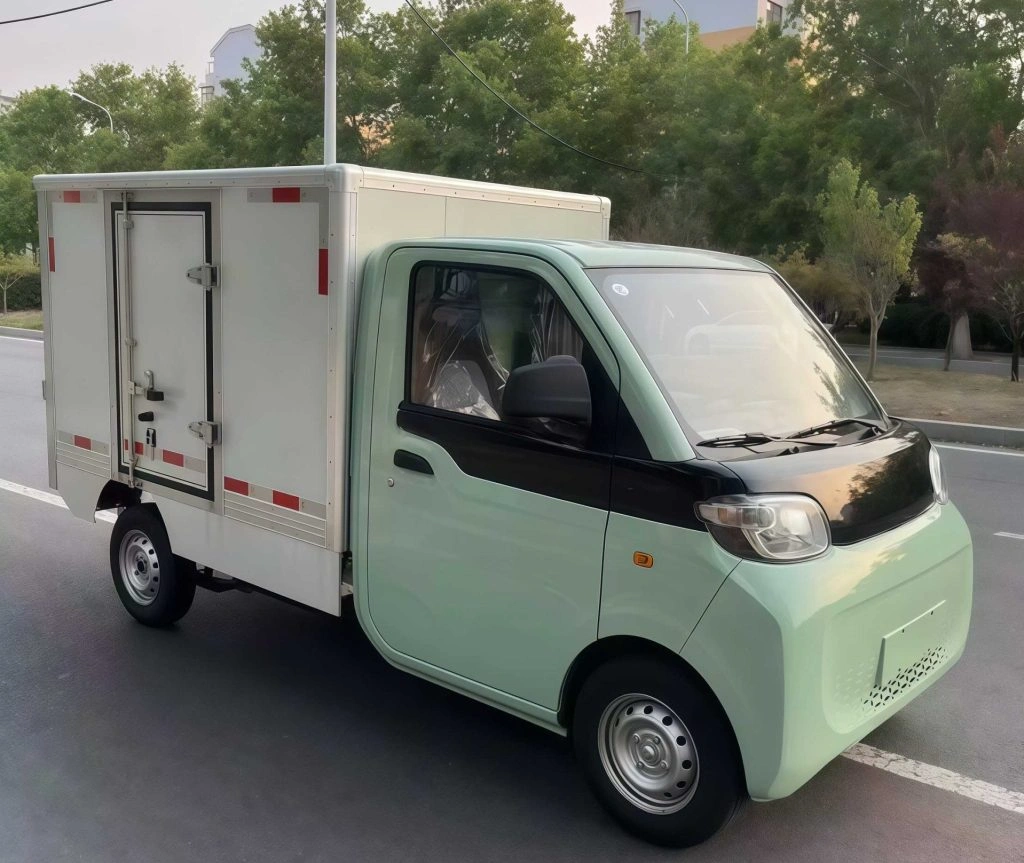
سفارشی سازی برای تدارکات خاص
هر بار با بار بعدی مطابقت ندارد. چه غذاهای تازه که نیاز به نگهداری سرد دارند یا جعبه های بزرگ که نیاز به قفسه های ویژه دارند، جدیدترین پایه های الکتریکی شکل های انعطاف پذیر را ارائه می دهند. شما تنظیم منطقه بار را انتخاب می کنید که متناسب با جریان روزانه شما باشد، اطمینان حاصل کنید که رانندگان شما با سرعت بالا کالا را بسته بندی و پاک می کنند. این نوع تناسب همچنین مراحل کاری را صاف می کند، انتظارات را کاهش می دهد و احتمال آسیب رساندن به اشیاء حساس را کاهش می دهد که همه آنها به جریان تیز تر در خط حمل شما اضافه می شوند.
پشتیبانی بلند مدت و زیرساخت های خدمات
دستگیر کردن کامیون فقط نشانه ی شروع است. برای محافظت از پول خود، شما یک قاب پشتیبان محکم می خواهید. قابل اعتماد بودن در سال 2025 شامل دسترسی به حقایق هوشمند قدرت و یک وب قطعات مطمئن است.
سلامت باتری و تلماتیک
ماشین های الکترونیکی شارپ این روزها دنده ردیابی را بسته بندی می کنند که حالت بسته قدرت را زنده بررسی می کنند. شما روش های استفاده از برق را دنبال می کنید و زمان پر کردن خود را برای گرفتن برق کم هزینه در ساعات آرام تنظیم می کنید. این مسیر با رهبری واقعیت به کشش بسته قدرت کمک می کند ’ زمان اجرا، به عنوان آن را به عنوان قطعه ارزش بالا در کامیون ایستاده است. علاوه بر این، این ابزارها به صفحه نمایش تلفن یا تخته ها پیوند می دهند که راهنمایی ها را در مورد سبک های درایو، نقشه های مسیر و هشدار های جلو برای نیازهای اصلاح به اشتراک می گذارند، به شما اجازه می دهد تا مشکلات را برطرف کنید و گروه کامیون خود را بدون توقف های شگفت انگیز ثابت نگه دارید.
شبکه خدمات جهانی
یک سازنده ماهر دست فراتر از یک نذر پوشش اساسی؛ آنها زندگی کامل را به دست می دهند تیماز درس های مهارت برای رانندگان خود را به یک زنجیره جهانی برای قطعات مبادله، بهترین سازنده باعث می شود شما پرش به الکتریکی صاف و پشتیبانی از هر مرحله. این شبکه ها همچنین تماس های کمک را همواره به ارمغان می آورند، تیم ها را در نقاط اصلی شناسایی می کنند و با حرفه ای های محلی ارتباط برقرار می کنند، بنابراین هر کجا که مسیر شما برود، کمک نزدیک به استراحت های برش و حداکثر زمان اجرای کالاهای کلیدی شما باقی می ماند.
سوالات متداول
سوال: آیا محدوده یک کامیون الکتریکی برای تحویل یک روز کامل کافی است؟
پاسخ: بله. اکثر مسیرهای تحویل شهری به طور متوسط بین 60 تا 100 کیلومتر در روز هستند. خودروهای الکترونیکی مدرن معمولاً محدوده 120 تا 150 کیلومتر را ارائه می دهند و حاشیه ایمنی قابل توجهی را فراهم می کنند. علاوه بر این، شارژ شبانه اطمینان حاصل می کند که خودرو هر صبح با یک “ کامل شروع می شود. مخزن” با هزینه بسیار پایین تر از دیزل برای روزهای سخت تر با مایل های اضافی، گزینه های سریع پر کردن یا ابزارهای هوشمند مسیر می توانند دسترسی را بیشتر افزایش دهند و بدون وقفه های مداوم تماس های کاری را تغییر دهند.
سوال: ظرفیت بار یک کامیون الکتریکی با یک کامیون دیزل چگونه مقایسه می شود؟
پاسخ: به لطف پیشرفت در طراحی شاسی سبک وزن و باتری های با تراکم بالا، ظرفیت بار مفید در حال حاضر بسیار مشابه است. کامیون های الکتریکی شهری با کیفیت بالا می توانند تا 1000 کیلوگرم حمل کنند که تقریباً تمام کاربردهای تحویل آخرین مایل را برآورده می کند، از جمله بسته های اکسپرس و تدارکات مواد غذایی. در استفاده روزمره، این به شما اجازه می دهد تا واحد های دیزل قدیمی را با تغییر کمی در برنامه های بار یا تنظیمات مسیر معامله کنید، خروجی را بالا نگه دارید و مزایای الکتریکی را به دست آورید.
سوال: آیا نگهداری کامیون های الکتریکی در طول پنج سال ارزان تر است؟
ج: مطمئناً. از آنجا که هیچ موتور احتراق داخلی وجود ندارد، شما نیاز به تغییر روغن، فیلترهای هوا، شمشیر و خدمات انتقال پیچیده را حذف می کنید. ترمز بازسازی همچنین فرسایش پد های ترمز و دیسک ها را کاهش می دهد. اکثر اپراتورهای ناوگان گزارش می دهند که 40٪ تا 50٪ کاهش در کل هزینه های تعمیر و نگهداری و قطعات. با گذشت سال ها، این سود افزایش می یابد، عمدتاً با سفر های فروشگاه کمتر و شکاف های اصلاح طولانی تر، آزاد کردن پول برای رشد یا ارتقاء سایر کامیون ها.