
Le monde du transport maritime a beaucoup changé. Si vous conduisez un groupe de camions en 2026, vous ressentirez probablement le poids des prix plus élevés du carburant et des règles plus strictes de la ville sur l’air salé. La discussion des moteurs qui brûlent du gaz à l’intérieur par rapport aux véhicules commerciaux légers électriques (eLCV) n’est plus une idée lointaine. C'est un choix d'argent clé pour votre entreprise en ce moment cette année.
Choisir de changer votre groupe de camions signifie plus qu'un simple échange d'un porte-carburant contre un pack électrique. Cela nécessite un bon regard sur la façon dont les choses fonctionnent chaque jour, les économies sur de nombreuses années et les machines exactes qui maintiennent votre travail à l'avenir. ShanDong TaiRui offre l'équipement spécial dont vous avez besoin pour rendre ce commutateur lisse et facile, que vous transportiez des articles dans les rues de la ville ou des fournitures à l'intérieur d'une zone d'usine.
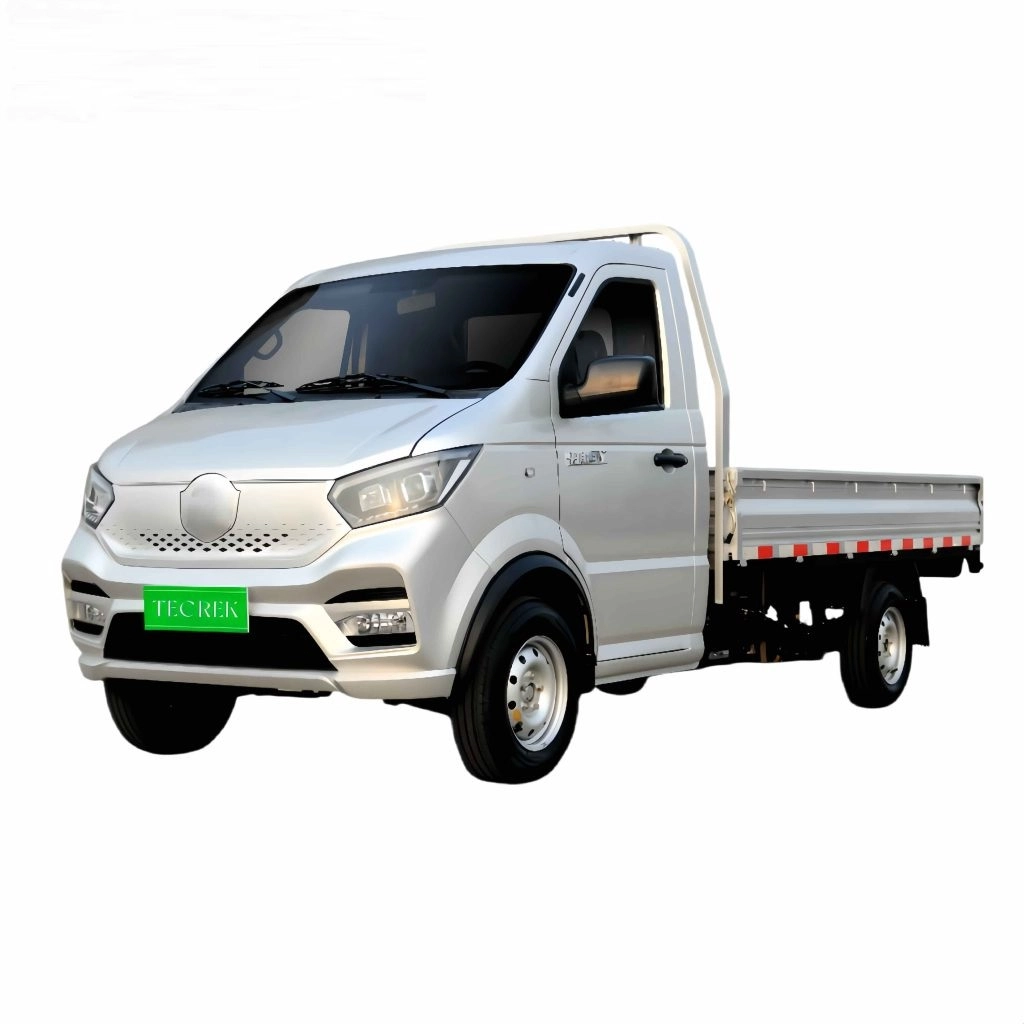
2026 : Pourquoi maintenant ?
Pendant longtemps, de nombreuses entreprises ont été coincées avec des camions fonctionnant sur du carburant parce que la technologie semblait normale et le coût de départ semblait plus bas. Mais 2026 montre le moment où les coûts s’équilibreront enfin sur le papier. Les blocs électriques conservent maintenant plus d'énergie, les endroits pour les recharger sont partout, et la valeur d'échange des camions diesel baisse rapidement lorsque les villes mettent en place des zones de conduite propres.
Lorsque vous vérifiez vos dossiers financiers, les coûts secrets du carburant comme l'attente avec le moteur allumé, le changement des prix de l'essence à la pompe et les corrections difficiles sur le moteur mangent probablement vos gains peu à peu. ShanDong TaiRui vous permet de réparer vos dépenses énergétiques en place et de vous débarrasser des hauts et bas de l'industrie pétrolière. Cette base stable constitue le cœur d’un plan solide pour votre entreprise en 2026, vous aidant à planifier à l’avance sans grandes surprises dues aux changements du marché qui pourraient nuire à votre budget.
Comparaison du coût total de propriété (TCO)
Le coût total de propriété est la mesure la plus vraie pour quiconque manipule des camions. Un camion à carburant peut sembler moins cher au début lorsque vous l'achetez, mais l'eLCV est en avance à long terme. En 2026, l’électricité provenant du mur coûtera beaucoup moins que le diesel pour chaque kilomètre que vous conduisez. En plus de cela, les moteurs puissants transforment plus de 85% de leur énergie en mouvement en avant, tandis que les moteurs qui brûlent du carburant à l’intérieur perdent près de 70 à 80% du carburant. S puissance comme chaleur supplémentaire qui ne va nulle part utile.
Lorsque vous commencez à utiliser un Mini camion électrique intelligentVous voyez immédiatement le changement de vos coûts quotidiens puisqu'il n'y a pas besoin de boîtes à vitesses délicates ou de tuyaux de fumée, ce qui augmente la quantité d'énergie utilisée pour transporter vos charges. Les entreprises qui utilisent ces petites plateformes électriques disent que les dépenses initiales plus importantes se remboursent souvent uniquement par des factures d'énergie plus faibles au cours des 18 premiers mois de travail stable, et ce remboursement croît encore plus rapidement si vos itinéraires restent courts et se répètent souvent, transformant ce qui semblait un risque en un mouvement intelligent qui crée de l'argent supplémentaire pour d'autres parties de l'entreprise.
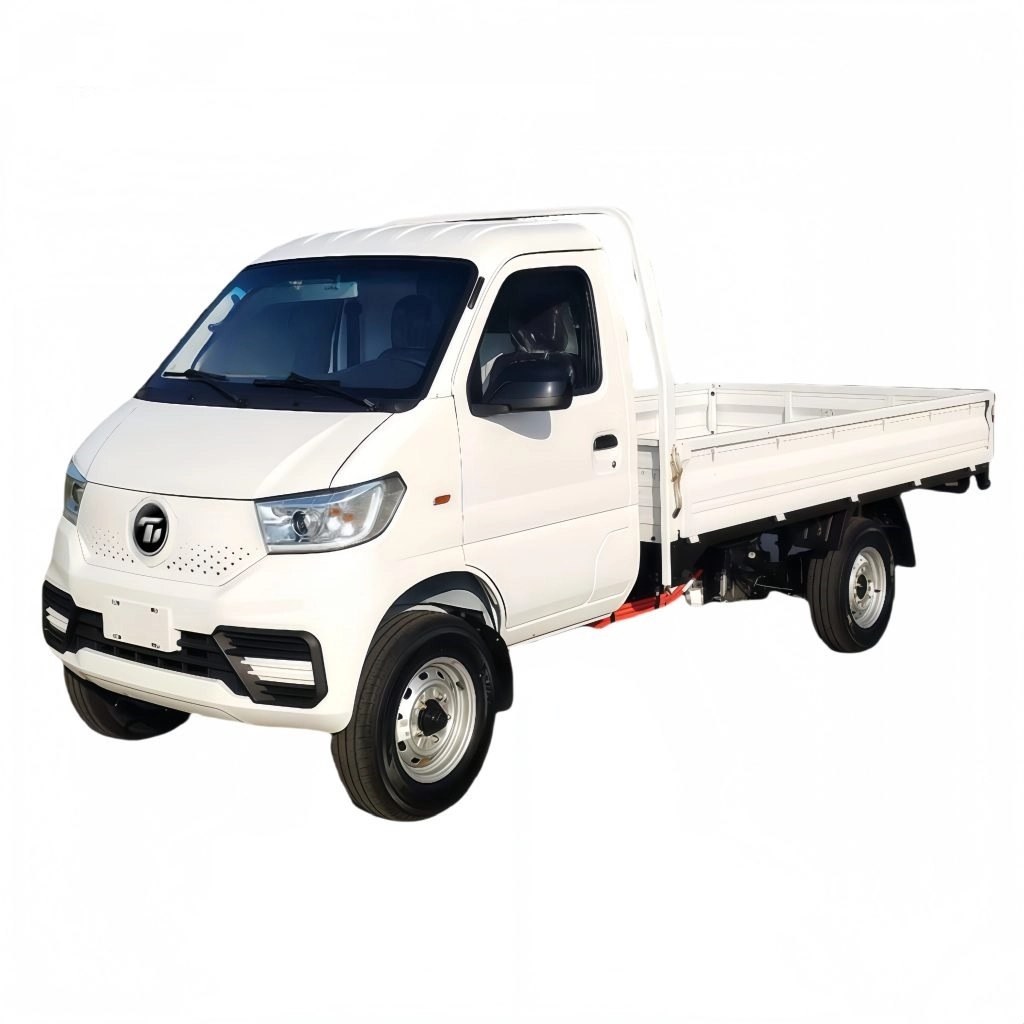
Maximiser les bénéfices grâce aux incitations gouvernementales
Les dirigeants mondiaux sont passés de simplement suggérer une énergie propre à en faire un must à travers des outils monétaires. En 2026, ils aideront à atteindre leur point le plus élevé pour aider les champs à atteindre les objectifs d’air propre d’ici la mi-année. Vous pouvez souvent obtenir des allégements fiscaux qui paient jusqu'à 30% du camion’ prix d'achat, qui efface le coût supplémentaire entre les types de carburant et les types d'énergie dès le début.
L'argent direct passé aide, vous devriez penser aux avantages d'un accès facile aussi. De nombreux grands points d'expédition ajoutent maintenant des frais quotidiens pour les camions qui brûlent du carburant pour réduire les embouteillages. En allant avec un Camion logistique zéro émissionVous sautez ces frais supplémentaires complètement. Cela vous donne un avantage, de sorte que vous pouvez offrir des emplois de dépôt en ville avec des coûts quotidiens plus faibles que les concurrents qui continuent d'utiliser de vieux camions à carburant, permettant à vos offres de gagner plus d'offres et d'accroître votre part de travail local au fil du temps.
Intégration stratégique des infrastructures
Les règles vont au-delà des impôts; Il y a aussi une aide réelle. La plupart des zones donnent maintenant de l'argent pour mettre en charge des spots juste à votre place. Cela vous permet de transformer votre bâtiment de stockage ou votre chantier de camions en votre propre arrêt électrique. En remplissant vos camions ShanDong TaiRui la nuit lorsque les tarifs restent bas, vous obtenez les prix d'électricité les moins chers, ce qui ouvre encore plus la différence d'argent entre votre configuration et les groupes qui dépendent des pompes à carburant, et ce timing intelligent s'adapte également bien aux quarts de nuit ou aux heures calmes pour garder tout en marche sans pression supplémentaire sur le réseau électrique.
Maintenance : le Silent Profit Maker
L'une des parties les plus difficiles de la gestion d'un groupe de carburant est la mauvaise boucle de corrections. Changer l'huile, changer les filtres, les ceintures pour le chronométrage et les capteurs pour les tuyaux de fumée deviennent des endroits réguliers où les choses se cassent et provoquent des coûts élevés du temps de travail perdu. Chaque heure que votre camion est assis dans l'atelier de réparation signifie une heure qu'il ne vous apporte pas d'argent.
Les camions électriques changent tout ce modèle de manière importante. Un moteur à carburant habituel contient des centaines de pièces qui se déplacent sous la chaleur élevée et le frottement. Mais les systèmes d'entraînement électrique des camions ShanDong TaiRui utilisent beaucoup moins de pièces avec moins de problèmes. Vous évitez les pièces d'étincelle sales, les fuites d'huile et les refroidisseurs éclatés qui pâtissent les configurations de carburant, ce qui entraîne des courses plus douces et moins d'arrêts surprises qui pourraient retarder les expéditions.
Efficacité dans chaque composant
Longévité du frein
Les camions électriques utilisent un système où le freinage recharge la batterie lorsque le moteur aide à ralentir, ce qui réduit beaucoup l'usure des coussinets et des roues. Vos temps de contrôle des freins pourraient aller trois fois plus longtemps qu'auparavant.
fluides minimaux
Outre le liquide pour nettoyer le verre avant et le liquide de refroidissement pour les commandes de la batterie, l'entretien humide qui dérange les groupes diesel disparaît presque.
Fiabilité
Avec moins de pièces à défaillir, le temps entre pauses pour un eLCV reste beaucoup plus long que pour un camion régulier. Ce travail régulier maintient vos plans de dépôt sur la bonne voie sans retards.
Choisir le bon outil pour le travail
Un bon interrupteur repose sur le choix du camion qui correspond exactement à vos tâches quotidiennes. ShanDong TaiRui se concentre sur les outils électriques construits pour le travail qui font mieux que les anciens choix de carburant dans des endroits déterminés.
Le spécialiste de la livraison urbaine
Pour la dernière étape de l'expédition dans les villes, le camion à carburant devient dépassé rapidement. La circulation avec beaucoup d'arrêts et de démarrages blesse les moteurs qui brûlent le plus de gaz. Le Smart Electric Mini Truck fonctionne mieux dans cette configuration. Sa petite taille vous aide à traverser les routes étroites de la ville et les zones de charge fréquentées où les grandes fourgonnettes ont des problèmes. Avec une batterie Lithium 72V 105Ah, elle couvre les kilomètres pour une journée entière de chutes de ville sans les sons forts ou les secoussements d'un moteur diesel, ce qui permet aux conducteurs de se sentir mieux et de rester plus aigus pendant de longs quarts.
Logistique interne et usine
Le passage à l'électricité aide non seulement à l'extérieur des routes, mais aussi à l'intérieur des emplois. L'exploitation de camions à carburant dans un entrepôt ou une usine crée des problèmes de flux d'air et un bruit fort. Le camion léger à lits plats électrique pour le transport d'usine corrige ce problème. Il se déplace sans pistes, tourne en plein cercle et tient des poids lourds, servant de meilleur échange pour les anciens mouvements intérieurs bruyants. Comme il ne fait pas de fumée, vous l'utilisez en toute sécurité dans des pièces fermées sans nettoyeurs d'air coûteux.
La feuille de route opérationnelle pour le succès
Aller à un groupe de camions électriques prend des mesures, pas un grand changement. Les principaux dirigeants en 2026 utiliseront un commutateur étape par étape. Vous sautez changer tous les camions à la fois. Au lieu de cela, trouvez les chemins ou les emplois où le carburant consomme le plus d'argent, souvent de courts voyages qui se produisent beaucoup, et échangez ceux-ci pour les modèles de puissance ShanDong TaiRui d'abord pour tester et apprendre sans grands risques.
À mesure que vous vous habituez aux temps de charge et à l'entretien facile, vous augmentez votre consommation d'énergie. Cette façon soigneuse vous permet d'enseigner votre équipe et de définir les plans de charge correctement sans gâcher votre flux de travail principal, construisant la confiance étape par étape jusqu'à ce que l'ensemble du groupe fonctionne en douceur.
Service et assistance à l’ère de l’électricité
Lorsque vous vous alliez à ShanDong TaiRui, vous obtenez plus que des machines; vous rejoignez un réseau d'aide complète. Les camions électriques ont besoin de moins de réparations, mais ils veulent toujours des soins professionnels. Nous donnons des conseils techniques complets en ligne et un plan prometteur pour soutenir votre commutateur avec un vrai savoir-faire. Notre objectif reste de garder vos camions en fonctionnement 24 heures sur 24, avec peu de problèmes et le meilleur rendement sur vos dépenses.
Conclusion: Proofing Your Bottom Line
Le passage à l’alimentation des camions d’affaires légers laisse derrière eux des rêves verts ; Il s’agit de rester en affaires aujourd’hui. Le mélange de coûts complets plus faibles, de fortes aides financières gouvernementales et de la construction simple des eLCV rend le choix évident. D’ici la fin de 2026, les groupes de camions qui sautent ce départ porteront de lourds coûts que les concurrents électriques éviteront, les mettant à une perte claire en matière d’offres et de croissance.
ShanDong TaiRui est prêt à vous guider à travers ce changement. Des camions de dépôt de ville aux lits plats d'usine solides, nos articles sont fabriqués pour le travail dur de l'expédition de 2026. La prochaine étape pour vos camions apporte des pistes calmes, de l'air propre, et surtout, de meilleurs gains d'argent qui durent.
FAQ (questions fréquentes)
Q: La gamme d'un mini-camion électrique est-elle suffisante pour une journée de travail complète?
R : Oui. Pour la plupart des routes de livraison urbaines et de dernier kilomètre, le kilométrage quotidien moyen est bien dans la plage de 110 à 150 km de nos modèles standard. Avec la recharge overnight, votre flotte commence chaque matin avec un “ réservoir complet” à une fraction du coût du diesel.
Q: Comment les camions électriques gèrent-ils les charges lourdes par rapport aux camions à carburant?
R: Les moteurs électriques fournissent un couple maximum instantanément à partir d'un arrêt. Cela les rend exceptionnellement bons à déplacer des charges lourdes, telles que celles manipulées par nos camions à lits plats électriques, sans le “ lutte” ou la chasse aux engins commune dans les petits moteurs à carburant.
Q: Que se passe-t-il si nous avons besoin d'un support technique pour notre flotte électrique?
R: ShanDong TaiRui fournit un support technique en ligne dédié 24/7 et une garantie complète d'un an. Comme ces véhicules ont moins de pièces mécaniques, la plupart du dépannage est simple et peut être manipulé rapidement pour minimiser tout impact sur vos opérations.