
Les véhicules utilitaires électriques destinés aux collectivités, parcs, campus, usines et autres zones industrielles sont bien plus que de simples petites voitures électriques pour leurs déplacements quotidiens. Ils doivent assurer des trajets quotidiens et des arrêts fréquents, transporter des personnes et des marchandises, garantir la sécurité des conducteurs et être faciles à entretenir. Simples à gérer, ils présentent néanmoins des caractéristiques techniques pointues qui influent sur leur coût final. L'autonomie, le moteur, les freins, la suspension, la direction et le service après-vente sont autant de facteurs clés.
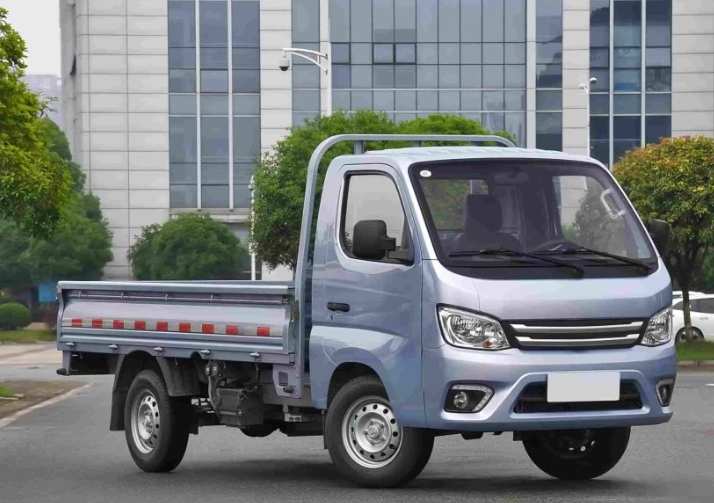
Que doit faire un véhicule utilitaire électrique dans les espaces clos ?
Les zones fermées ont leurs propres règles de circulation. Les véhicules n'ont généralement pas besoin d'atteindre la vitesse de l'autoroute, mais ils doivent se déplacer de manière stable, être faciles à manœuvrer et disposer d'un espace suffisant pour les personnes, les outils ou les marchandises légères. Sur de nombreux sites, le véhicule peut effectuer le même trajet toute la journée. Les agents de sécurité, le personnel d'entretien, les équipes de nettoyage, les magasiniers et les équipes des services du parc peuvent tous partager un seul véhicule. C'est là qu'un modèle inadapté devient rapidement problématique.
Correspondre d'abord aux itinéraires de courte distance
Pour ce type de travail, Véhicule électrique pour les transports communautaires Ce modèle de référence pratique est conçu pour le transport sur de courtes distances dans les zones industrielles, résidentielles et les aires de service. Sa spécification SP401 présente une longueur de caisse de 4 975 mm, une largeur de 1 700 mm et une hauteur de 2 425 mm, offrant ainsi un espace utile supérieur à celui d'un petit véhicule biplace, tout en s'adaptant aux voies d'accès réglementées. La fiche produit indique une autonomie de 90 à 100 km, un moteur de traction à courant alternatif de 7,5 kW, une commande électrique intelligente de 72 V et une vitesse de 40 km/h.
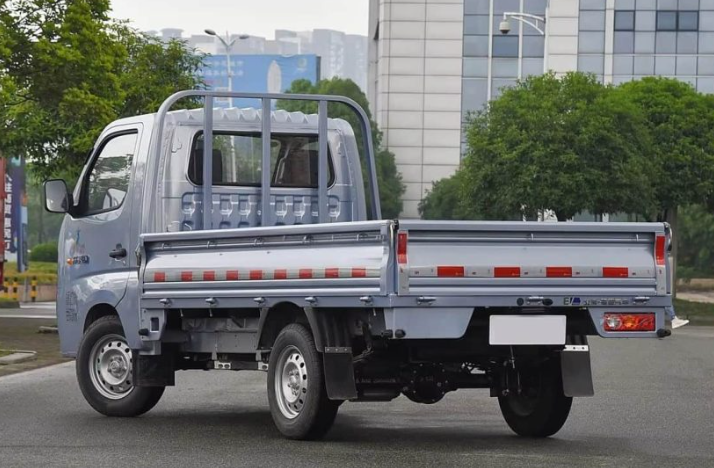
Évitez de suracheter la vitesse
Une vitesse de pointe de 40 km/h peut paraître peu attrayante, mais pour les collectivités et les parcs, c'est souvent l'objectif recherché. Les voies de circulation internes comprennent des piétons, des chariots, des portails, des ralentisseurs et des virages serrés. Une vitesse excessive peut accroître les risques et la charge de travail de la direction. Un véhicule roulant à vitesse réduite et constante est plus facile à utiliser pour différents conducteurs, notamment lorsque le personnel change fréquemment d'équipe.
Quel système d'alimentation électrique devez-vous vérifier en premier ?
Le système d'alimentation détermine si le véhicule offre une conduite souple en charge ou s'il commence à faiblir après quelques mois d'utilisation quotidienne. Les acheteurs se concentrent souvent uniquement sur l'autonomie de la batterie, mais il est essentiel de prendre en compte simultanément le moteur, le contrôleur, le type de batterie et les conditions du terrain. Un véhicule performant sur des routes plates et dégagées ne sera peut-être pas le plus adapté à une zone industrielle en pente.
Choisissez un moteur à courant alternatif pour un fonctionnement quotidien stable.
Le SP401 est équipé d'un moteur de traction à courant alternatif de 7,5 kW et d'un système de commande électrique intelligent de 72 V. Pour les véhicules de chantier, comme ceux utilisés par les équipes de maintenance, le moteur et sa commande assurent une puissance constante, contrairement aux pics de puissance élevés. Du point de vue de la conduite, il est essentiel qu'un véhicule de chantier démarre en douceur et offre des performances constantes et prévisibles. La présence fréquente de passagers à bord rend toute accélération brusque désagréable. C'est pourquoi une secousse à chaque pression sur l'accélérateur est désagréable et doit être évitée.
Vérifier l'autonomie de la batterie par rapport aux itinéraires réels
Ce modèle utilise une batterie sans entretien de 6 V et 200 Ah et offre une autonomie d'environ 90 à 100 km en conditions normales d'utilisation. Pour de nombreuses collectivités, parcs et sites industriels, cela suffit pour une journée complète de service sur de courts trajets. Toutefois, la planification des itinéraires est essentielle. Si le véhicule transporte des outils, doit gravir des pentes douces ou effectuer des arrêts et redémarrages fréquents, prévoyez une marge de sécurité. Il est conseillé de calculer la distance journalière parcourue, puis d'ajouter au moins 20 % pour compenser l'usure, les variations de charge et les conditions climatiques (chaud ou froid).
Comment évaluer la sécurité et le confort de conduite ?
La sécurité dans un espace clos ne se résume pas à la pédale de frein. Elle englobe la visibilité du conducteur, la facilité de braquage, la sensation au freinage, la fermeté de la suspension et la stabilité du véhicule avec des passagers ou du chargement. Un acheteur n'évoquera peut-être pas le confort lors de la première rencontre, mais après la livraison, les conducteurs en parleront quotidiennement.
Examinez les freins en cas d'arrêts répétés.
Le SP401 est équipé de freins à tambour à l'avant et à l'arrière, ainsi que d'un système de freinage hydraulique. Ce système est idéal pour les applications de transport interne à basse et moyenne vitesse. Le véhicule n'étant pas conçu pour la conduite à grande vitesse, il n'est pas nécessaire qu'il dispose de capacités de freinage d'urgence à haute vitesse. Utilisé pour l'entretien des parcs, les patrouilles communautaires et le transport industriel, le SP401 est soumis à de nombreux arrêts et redémarrages. Ce système de freinage offre une excellente sensation au freinage, notamment sur les routes étroites ou en cas de circulation dense. Le système hydraulique procure également un meilleur ressenti que les autres systèmes de freinage.
Ne négligez pas la suspension et les pneus.
Ce véhicule est équipé de ressorts à lames longitudinaux à l'avant et à l'arrière, et de roues en acier 165/70R13. Bien que simples, les ressorts à lames sont parfaitement adaptés aux véhicules utilitaires car ils supportent la charge et contribuent à la stabilité de la carrosserie. Les roues en acier, quant à elles, correspondent à la vocation professionnelle de ce type de véhicule. Elles sont robustes, maniables et plus appropriées aux chantiers où le véhicule peut transporter du matériel, des outils de nettoyage ou des pièces détachées.
Pourquoi l'historique de l'usine est-il important pour les acheteurs étrangers ?
Un guide d'achat ne doit pas se limiter à la fiche technique du véhicule. Les acheteurs étrangers doivent également s'intéresser à l'historique du constructeur, au contrôle de la production et à la capacité du fournisseur à prendre en charge les modifications nécessaires en cas de configuration différente selon le marché local. C'est en cela qu'un fournisseur automobile se distingue d'une simple société commerciale.
Vérifier les capacités de R&D et de production
ShanDong TaiRui Fondée en 2003, l'entreprise a acquis une solide expérience dans les véhicules de tourisme, les véhicules utilitaires, les véhicules spéciaux et les pièces automobiles. Elle dispose de 4 centres de R&D, de 10 sites de production répartis dans 8 provinces et villes, et couvre une superficie totale de 360 000 mètres carrés. Pour les acheteurs qui recherchent des produits sur mesure, ces spécificités sont cruciales, car l'utilisation des itinéraires, la réglementation locale, l'aménagement de la carrosserie, l'éclairage et les exigences en matière de chargement peuvent varier d'un pays à l'autre.
L'entreprise activités de base Elle propose également des véhicules électriques urbains, des véhicules personnalisés, des véhicules utilitaires légers, des pièces de carrosserie et des solutions de transport connexes. Sa gamme de véhicules électriques urbains est axée sur les trajets courts, un design compact, les économies d'énergie et une grande flexibilité de déplacement en milieu urbain.
Recherchez la maîtrise du processus, pas seulement de belles paroles.
D'après sa fiche descriptive, ShanDong TaiRui dispose de lignes de production professionnelles pour l'emboutissage, le soudage automatisé, l'assemblage de phares automobiles, la production de véhicules spéciaux, des centres de traitement de moules et des laboratoires d'essais. L'entreprise est également certifiée IATF 16949, ISO 45001 et ISO 14001, possède 14 brevets internationaux et la certification CCC pour les véhicules spéciaux. C'est pourquoi des pages comme… R& D Capacités, Capacités de fabricationet Assurance qualité Il est conseillé de vérifier ces points avant d'envoyer une demande.
Quelles erreurs d'achat devez-vous éviter ?
La plupart des mauvais achats résultent d'une erreur simple : juger un véhicule uniquement sur son apparence ou son prix. Un véhicule utilitaire est un outil de travail. Il doit être adapté à la longueur des trajets, aux habitudes de conduite, à la largeur des routes, au flux de passagers, aux conditions de recharge et aux besoins d'entretien. Un prix bas est certes attractif, mais un véhicule incapable d'effectuer les trajets quotidiens n'est pas économique à long terme.
Ne choisissez pas uniquement en fonction du nombre de sièges.
Plus de places assises ne rime pas toujours avec meilleur rapport qualité-prix. Pour les patrouilles, l'entretien et le service des parcs, l'espace de chargement et la facilité d'accès peuvent primer sur le nombre maximal de passagers. Si le véhicule doit transporter du matériel de nettoyage ou des caisses à outils, renseignez-vous sur l'espace utile avant de confirmer votre choix.
Ne négligez pas la pente et la charge
Le SP401 indique une pente maximale de 0,25. Cette information est utile pour l'aménagement du site. Si la route comporte des rampes, des entrées de parking souterrain ou des voies de service en pente, ne considérez pas le site comme plat. Communiquez au fournisseur les détails de l'itinéraire, le nombre de passagers et le poids habituel du chargement. Une simple remarque comme « deux pentes près de l'entrée de l'entrepôt » peut modifier la configuration recommandée.
N'oubliez pas l'accès pour la maintenance
La conception sans entretien de la batterie contribue à réduire la fréquence des interventions, mais les freins, les pneus, la suspension, la direction et les composants électriques nécessitent toujours des contrôles réguliers. Pour les acheteurs internationaux, il est préférable de se renseigner sur les pièces détachées, les manuels d'utilisation, les schémas de câblage et le service après-vente avant de passer commande. Quelques documents bien fournis vous éviteront bien des soucis par la suite.
Comment ce véhicule peut-il s'intégrer aux parcs communautaires et aux zones industrielles ?
L'utilisation des véhicules utilitaires électriques varie d'un site à l'autre, mais la logique d'achat reste la même : réduire les temps de déplacement, faciliter le travail des équipes d'intervention quotidiennes, diminuer la consommation de carburant et simplifier la gestion. Cela paraît simple, mais c'est précisément ce dont les responsables de site ont besoin.
Communautés et ensembles résidentiels
Dans les complexes résidentiels, un véhicule comme le Véhicule électrique pour les transports communautaires Il peut assurer la surveillance des patrouilles, le transport des visiteurs, les interventions de maintenance et les déplacements de courte distance adaptés aux personnes âgées. Sa vitesse limitée à 40 km/h et sa direction électrique le rendent idéal pour les zones où piétons et véhicules partagent la même voie.
Parcs, campus et zones industrielles
Les parcs et les campus ont souvent besoin de transports silencieux à faibles émissions locales. Les zones industrielles exigent un châssis plus robuste, un freinage stable et une autonomie suffisante pour les trajets répétés. Avec son autonomie de 90 à 100 km, son système d'alimentation en courant alternatif, ses freins hydrauliques, sa suspension à lames et ses roues en acier, le SP401 est un choix réaliste pour les travaux intérieurs quotidiens, et non pas un simple véhicule à l'allure attrayante sur une page produit.
FAQ (questions fréquentes)
Q1 : Quelle est la meilleure autonomie pour un véhicule utilitaire électrique dans une communauté ?
A : Pour la plupart des collectivités, parcs et zones industrielles, une autonomie quotidienne de 80 à 100 km est pratique. Le SP401 offre une autonomie d'environ 90 à 100 km en conditions normales d'utilisation, ce qui permet de couvrir les itinéraires courants de patrouille, d'entretien et de transport interne.
Q2 : 40 km/h, est-ce trop lent pour un véhicule utilitaire électrique ?
R : Non. Sur les voies fermées, 40 km/h est généralement plus sûr et plus facile à gérer qu'une vitesse supérieure. Les routes internes comportent souvent des piétons, des portails, des virages et des ralentisseurs ; une vitesse maîtrisée est donc un avantage.
Q3 : Pourquoi un moteur à courant alternatif est-il utile pour le transport sur chantier ?
A : Un moteur à courant alternatif fournit une puissance de sortie régulière et stable. Pour le transport quotidien de passagers et de marchandises légères, des démarrages en douceur et une conduite stable sont plus importants qu'une accélération brusque.
Q4 : Les collectivités devraient-elles choisir un véhicule à batterie sans entretien ?
R : Oui, si l'objectif est une gestion quotidienne simple. Une batterie sans entretien peut réduire les interventions d'entretien courant, mais le véhicule doit tout de même faire l'objet de contrôles réguliers au niveau des freins, des pneus, du câblage et de la suspension.
Q5 : Où ce véhicule utilitaire électrique peut-il être utilisé ?
A : Il peut être utilisé dans les collectivités, les parcs, les campus, les usines, les zones industrielles, les complexes touristiques et les zones de services. Il est particulièrement adapté au transport de passagers sur de courtes distances, aux patrouilles, à la livraison de marchandises légères et à l'assistance quotidienne sur site.