
Vedere un cruscotto che rimane scuro può rovinare qualsiasi supervisore dei trasporti’ S inizia la giornata. Molte persone pensano che un motore silenzioso segnali un costoso cambio di batteria in avanti, ma questo non è vero ogni volta. Spesso, il problema deriva da una perdita di energia a breve termine invece di un guasto duraturo. La gestione di questi ostacoli meccanici richiede semplici competenze di manutenzione combinate con componenti solidi. Se cerchi un alleato stabile in questa zona, Shandong TaiRui salire sopra. Dal 2003 in poi, si sono espansi in una grande operazione con 10 siti di fabbrica e 1,52 miliardi di yuan in risorse costanti. Se avete bisogno di avanzata R & amp; D o produzione su larga scala, le loro configurazioni approvate IATF 16949 gestiscono i compiti dalle parti del telaio dell'auto alle piccole auto completamente elettriche. Ha guadagnato “ Ottimo fornitore” status da parte dei principali attori come SAIC-GM-Wuling, che mostra il loro garanzia qualità raggiunge livelli globali.
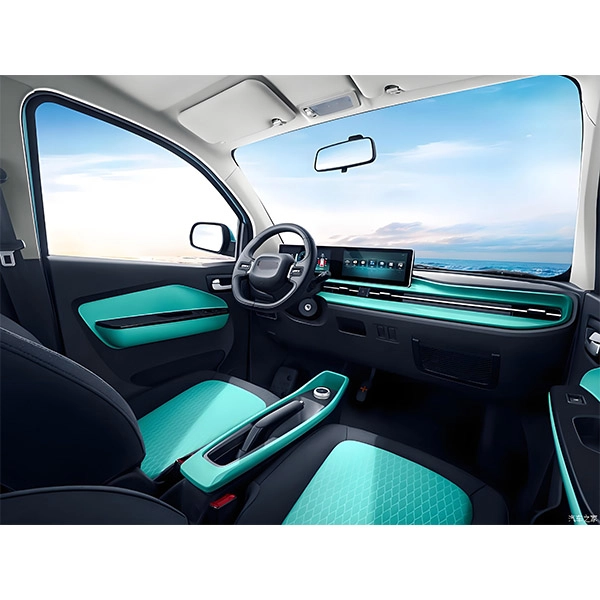
Perché la batteria del tuo veicolo elettrico perde energia improvvisamente?
Le fonti di energia falliscono solo per motivi chiari. Una forte caduta di distanza o l'incapacità di iniziare quasi sempre risale a una causa sensibile. Di solito, condizioni esterne o minori scivolamenti meccanici tirano via la potenza prima di accendere l'accensione.
Cause comuni di scarico profondo
Dimenticare di spegnere le luci o lasciare una porta aperta può scaricare una fonte di energia in una notte. Nelle impostazioni di trasporto aziendale o di gruppo, un minore corto interno in un dispositivo spesso provoca una pesante perdita di energia, e questo rende l'auto sembra senza vita. Pertanto, tali problemi richiedono controlli rapidi per evitare problemi più grandi.
Impatto di temperature ambientali estreme
Il basso tempo agisce come un distruttore di fonte di energia nota. Mentre le temperature scendono, le reazioni interne delle cellule si alleviano molto. Di conseguenza, questo riduce l'energia pronta e sforza il sistema di gestione della batteria per fornire un flusso di potenza uniforme. A sua volta, i conducenti notano viaggi più brevi durante i mesi invernali.
Drago parassitario nell'elettronica a bordo
Le automobili attuali trasportano carichi di rilevatori e unità che rimangono attivi anche dopo che il motore si ferma. Quando una parte salta il suo “ stato di riposo,” tira costantemente dalla potenza risparmiata fino a quando il livello cade sotto il punto di lancio. Di conseguenza, questo scarico nascosto porta a sorprese quando si avvia il veicolo successivamente.
La tua batteria è completamente morta o semplicemente scaricata?
Indicare il divario tra un problema di passaggio e un finale “ vita-fine” caso risparmia mucchi di soldi. Una fonte di energia a bassa energia può rimbalzare, mentre una che è andata si dirige al riciclo. Quindi, controlli adeguati guidano scelte intelligenti nelle correzioni.
Test di tensione per una diagnosi accurata
Un contatore di base fornisce un risultato semplice. Quando il display mostra un numero molto basso ma non nulla, il recupero attraverso la ricarica rimane possibile. Eppure, uno zero totale spesso segnala un difetto centrale nelle cellule. Questi test aiutano i team a decidere i prossimi passi senza indovinazioni.
Ispezione visiva della corrosione terminale
A volte, la fonte di energia funziona bene, ma l'energia non riesce a scappare. Cerca strati ruvi bianchi o blu sulle estremità. Questa ruggine ferma il flusso e copia i segni di una fonte di energia rotta. Pulire queste macchie spesso ripristina il contatto senza riparazioni più profonde.
Risposta ai tentativi di jump-start professionali
Se l'auto si accende subito da una spinta ma si ferma una volta spento, il generatore di energia o il percorso di carica potrebbero sopportare il difetto. Tuttavia, quando rifiuta qualsiasi spinta del tutto, il trucco interno probabilmente ha dato fuori. In questi casi, gli esperti raccomandano scansioni complete del sistema per confermare la causa principale.
Come si può prevenire un guasto inatteso della batteria nelle operazioni della flotta?
La costanza costituisce il nucleo di qualsiasi fiorente azienda di consegna. Fermare le paure della fonte di energia inizia con piani di manutenzione solidi e la selezione di auto realizzate con forti telaio elettrici. Di conseguenza, le operazioni funzionano più fluidamente nel tempo.
Implementazione di cicli di ricarica intelligenti
Non permettere che il livello di energia colpisca vuoto. Mantenere la fonte di alimentazione nel raggio dal 20% all'80% si dimostra efficace per un servizio più lungo. Quando le flotte adottano questa abitudine, sfuggono alla pesante usura del ciclo che causa danni duraturi. Questo approccio riduce anche i tempi di fermo sorpresa.
Manutenzione di routine dei sistemi di gestione della batteria
Il BMS funge da fonte di alimentazione’ centro di controllo s. Gli aggiornamenti costanti del programma e le revisioni di parti aiutano questa impostazione nelle cellule della sera correttamente. Un BMS curato individua piccoli guasti presto, e questo impedisce loro di trasformarsi in guasti importanti. Pertanto, l'assistenza regolare aumenta l'affidabilità generale della flotta.
Detezione precoce della scomparsa della capacità
Osserva da vicino i modelli di distanza. Se una macchina ha raggiunto 150 km ma ora raggiunge appena 120 km, la fonte di alimentazione mostra segni di usura. Scoprire questo presto consente ai gruppi di pianificare gli swap in anticipo di fermate urgenti. Inoltre, il tracciamento aiuta il budget per le esigenze future.
Quali veicoli elettrici compatti offrono le prestazioni della batteria più affidabili?
Scegliere le parti adatte vince metà della lotta. I produttori di solidi applicano lo stampaggio congiunto e linee di fabbrica focalizzate per creare auto che affrontano sforzi di routine senza scivoli elettrici. Questo focus garantisce un uso costante quotidiano.
Eccellenza delle prestazioni dei mini veicoli elettrici completamente chiusi
Nelle città, a Mini veicolo elettrico completamente chiuso fornisce una base solida. Queste quattro ruote sono adatte a brevi viaggi con configurazioni di potenza al litio che raggiungono fino a 165 km, e questo riduce la trazione per sessioni di ricarica ripetute e dure. Di conseguenza, le batterie durano più a lungo nelle attività del mondo reale.

Standard di efficienza nei veicoli elettrici a quattro porte
Per spazio aggiuntivo senza danneggiare la condizione della fonte di alimentazione, un Quattro porte città veicolo elettrico ha senso. Questi tipi stressano il consumo energetico, quindi ogni unità di potenza serve bene le unità urbane. Di conseguenza, i proprietari godono di una gamma migliore senza sforzi aggiuntivi sui componenti.
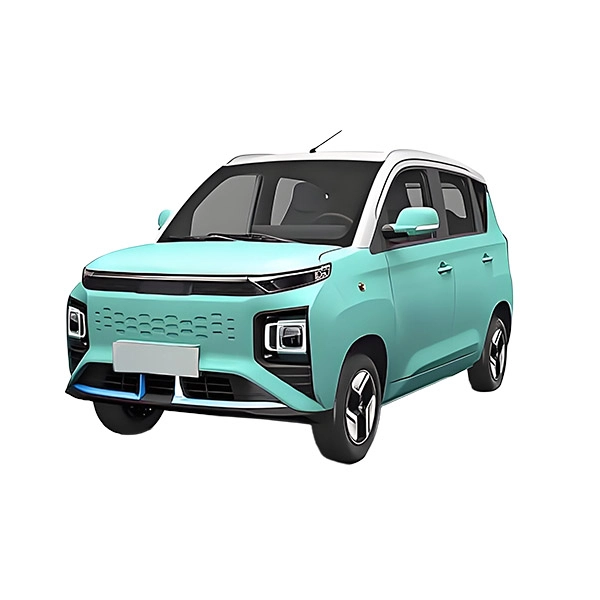
Gestione termica avanzata in TaiRui Passenger Quadricycles
Buoni progetti aggiungono barriere più forti per le aree di potenza. Ciò protegge le cellule dai cambiamenti di calore notati in precedenza e mantiene il livello anche nei caldi giorni estivi o nelle fredde sere invernali. Pertanto, tali caratteristiche riducono i rischi di guasto in climi diversi.
Quali sono le migliori soluzioni di recupero per una batteria scaricata?
Di fronte a una fonte di alimentazione piatta, salta la fretta per una nuova. Diversi passaggi di risoluzione esperti possono restituire un “ basso” unità a forma forte. Questi metodi si dimostrano spesso economicamente efficaci per le flotte.
Protocolli di ricarica intelligenti multistadio
Un caricabatterie semplice potrebbe non essere sufficiente per una fonte di alimentazione EV molto bassa. Gli esperti caricatori multifase applicano flussi variati per riavviare delicatamente il trucco senza rischi di calore o formazione di gas. Come tale, questo processo attento rivive la maggior parte dei casi in modo sicuro.
Equilibrio delle cellule tramite BMS intelligente
Quando le cellule cadono fuori linea, la fonte di energia completa agisce debole. Uno strumento di controllo che inizia un giro serale cellulare può recuperare la distanza mancante e cancellare “ falso” segnali scomparsi. Questo passaggio spesso risolve problemi senza sostituzioni complete.
Desolfatione professionale per la conservazione a lungo termine
Le auto in attesa per mesi costruiscono pezzi di zolfo sulle superfici. L'attrezzatura di pulizia esperta può romperli, e questo riporta l'abilità di detenere la carica. Per le flotte immagazzinate, questo metodo risparmia molte unità dal mucchio di rottami.
Perché collaborare con Shandong TaiRui per il tuo inventario di veicoli elettrici?
La collaborazione con un produttore esperto offre un buffer che manca ai piccoli trader. Il loro passato esteso e la vasta configurazione significano che hanno affrontato tutti i problemi della fonte di energia e hanno intrecciato le risposte nei loro piani. Ciò porta a meno mal di testa per gli acquirenti.
Robuste capacità di ricerca e sviluppo
Con 4 punti di ricerca e 14 brevetti globali, questo gruppo guida i cambiamenti del settore. Essi versano fondi in laboratori di telaio intelligenti e tecnologia di telaio, che si trasforma in impostazioni elettriche più costanti nelle loro auto. Di conseguenza, i prodotti rimangono aggiornati e affidabili.
Infrastrutture produttive avanzate a Shandong
I 360.000 metri quadrati di fabbrica impressionano. L'unione automatica e le linee di stampa focalizzate garantiscono la durata del guscio dell'auto, e questo protegge la delicata fonte di alimentazione dalle vibrazioni del percorso e dall'umidità. Pertanto, i veicoli arrivano duri e pronti.
Rigorosa garanzia di qualità e certificazione internazionale
Portare le approvazioni ISO 9001 e IATF 16949 va oltre la visualizzazione. Ogni auto deve affrontare prove difficili. Con un tasso di passaggio all'esportazione del 99,7%, i sistemi di alimentazione che raggiungono il vostro dock sono adatti al lavoro.
Domande frequenti
Q1: Una batteria del veicolo elettrico completamente piatta può sempre essere salvata?
R: Non sempre. Se la tensione è rimasta a zero per un lungo periodo di tempo, si verificano danni interni. Tuttavia, la maggior parte “ morto” Le batterie sono scaricate profondamente e possono essere recuperate con un caricabatterie intelligente.
Q2: Quanto dura una tipica batteria mini veicolo elettrico?
R: La maggior parte delle batterie al litio in quadricicli di alta qualità sono valutate per diverse migliaia di cicli di carica, che in genere si traduce in 5-8 anni di uso giornaliero prima di una significativa perdita di capacità.
Q3: La ricarica rapida danneggia la batteria nel tempo?
R: L'uso frequente di caricabatterie ultraveloci genera calore, che può degradare le cellule. È meglio utilizzare la ricarica AC standard per le esigenze quotidiane e risparmiare la ricarica rapida per le emergenze.
Q4: Cosa devo fare se la batteria del mio EV si bagna?
R: I veicoli elettrici di alta qualità hanno pacchetti di batterie IP67 che sono sigillati contro l'acqua. Se si sospetta una perdita, non provare ad avviare il veicolo; avere un professionista ispezionare le tenute e i terminali prima.
Q5: Perché la mia gamma è più bassa in inverno?
A: Le temperature fredde aumentano la resistenza interna della batteria. Questo è un effetto fisico temporaneo, non un guasto permanente, e la gamma completa tornerà quando il tempo si riscalda.