
L'ansia da autonomia rimane una delle principali preoccupazioni per le aziende e i privati che passano alla mobilità elettrica. La capacità della batteria riceve molta attenzione, ma la chiave per le prestazioni reali risiede nel modo in cui i componenti interagiscono al suo interno. ShanDong TaiRuiFondata nel 2003, l'azienda si concentra da oltre vent'anni su questo mix. Gestisce dieci stabilimenti produttivi con un patrimonio di 1,52 miliardi di yuan. In qualità di leader del settore, fornisce articoli che vanno dall'assemblaggio di carrozzerie personalizzate a sistemi di illuminazione avanzati. Quattro centri di ricerca e un team di oltre 70 specialisti del controllo qualità assicurano che ogni veicolo rispetti le rigide normative internazionali come la IATF 16949. Scegliere un fornitore con una tale solidità capacità produttiva Vi offre molto più di un semplice veicolo. Rappresenta un solido investimento in anni di competenza nella costruzione di automobili.
Perché il dibattito tra propulsore e trasmissione è importante per l'autonomia del tuo veicolo elettrico?
Spesso questi termini vengono confusi, eppure svolgono un ruolo fondamentale nel determinare l'autonomia di un veicolo con una singola carica. Se i vari elementi non si integrano correttamente, l'energia si trasforma in calore o resistenza prima di raggiungere la strada.
Definizione del sistema di propulsione integrato
Il sistema di propulsione costituisce il cuore del veicolo. Comprende il pacco batterie, il motore elettrico e l'elettronica di bordo che gestisce il flusso di energia. Questo sistema trasforma l'energia elettrica immagazzinata in movimento reale. Pertanto, il suo livello di efficienza determina in gran parte l'autonomia complessiva. Una buona progettazione in questo ambito si traduce in minori sprechi e viaggi più lunghi.
Ruolo della trasmissione nella trasmissione dell'energia
Il gruppo propulsore genera la potenza, ma la trasmissione la distribuisce. Essa comprende il cambio, gli alberi di trasmissione e gli assi. Una trasmissione robusta assicura che la coppia del motore non si disperda a causa dell'attrito meccanico. Anche una piccola resistenza in un asse può ridurre la distanza percorsa. Pertanto, una trasmissione fluida conserva più energia per le ruote.
Correlazione diretta tra sinergia dei componenti e durata della batteria
Quando il gruppo propulsore e la trasmissione sono ben sincronizzati, la batteria subisce meno stress per mantenere velocità costanti. Ciò riduce lo stress sulle celle e diminuisce i cicli termici. Di conseguenza, la batteria si mantiene in condizioni migliori nel tempo, garantendo un'autonomia elevata per molti anni.
In che modo le tecnologie avanzate dei motori riducono al minimo la perdita di energia?
Il motore è il punto in cui inizia il vero lavoro. Nei veicoli elettrici di alta gamma, non si limita a girare; gestisce l'energia con un controllo preciso, quindi ogni singolo millimetro conta.
Efficienza dei materiali magnetici ad alte prestazioni
Gli attuali motori a corrente alternata si basano su specifiche configurazioni magnetiche per generare campi di rotazione con perdite elettriche minime. Questi materiali offrono un ottimo rapporto potenza-dimensioni, consentendo di ottenere maggiore forza da un motore compatto. Questo approccio permette ai veicoli di percorrere distanze maggiori senza aggiungere peso e garantisce una risposta più rapida nell'uso quotidiano.
Impatto della gestione termica sulla potenza erogata dal motore
Il calore influisce notevolmente sull'autonomia. I moderni sistemi di raffreddamento, come quelli a liquido, fanno circolare un fluido intorno al motore per mantenerne la temperatura costante. Un motore che rimane fresco funziona meglio in generale. Ecco perché i veicoli con un buon sistema di controllo termico mostrano una maggiore autonomia anche su percorsi impegnativi in salita. Una corretta configurazione previene cali di potenza durante i lunghi viaggi.
Riduzione dell'attrito all'interno dell'alloggiamento della trasmissione
L'attrito interno erode l'energia destinata alle ruote. Lubrificanti di alta qualità e ingranaggi tagliati con cura riducono questo problema. Può sembrare un dettaglio insignificante, ma è ciò che rende le auto professionali così fluide quando si preme l'acceleratore. Un flusso migliore in questo punto aumenta l'autonomia di ogni giro. Di conseguenza, la guida risulta affidabile ed efficiente.
È possibile eliminare l'ansia da autonomia grazie a una progettazione ottimizzata della trasmissione?
L'ansia da autonomia deriva dal dubbio sulla costanza delle prestazioni del veicolo. Una trasmissione ottimizzata mantiene un flusso di potenza uniforme su terreni e con carichi diversi.
Calibrazione di precisione del gruppo transaxle
Il transaxle funge da punto di collegamento fondamentale. Le fabbriche utilizzano la saldatura robotizzata e stampi di precisione per unire i componenti con tolleranze inferiori a ±0,02 mm. Questa precisione di accoppiamento riduce le vibrazioni e migliora la trasmissione dell'energia. Di conseguenza, il veicolo ha una migliore maneggevolezza su percorsi diversi e aumenta l'autonomia complessiva del viaggio.
Vantaggi aerodinamici dell'integrazione di telai leggeri
Un veicolo pesante si muove più lentamente e consuma più energia. Materiali come l'acciaio a bassa lega ad alta resistenza e l'alluminio riducono la massa mantenendo inalterata la sicurezza. Una struttura più leggera significa che la trasmissione deve contrastare meno la forza di avviamento. Questo, naturalmente, aumenta l'autonomia e migliora la maneggevolezza negli spazi ristretti.
Distribuzione della coppia per prestazioni di guida urbana costanti
Guidare in città significa fare molte fermate e ripartenze. Un sistema di propulsione progettato per l'uso urbano distribuisce la coppia in modo da evitare un consumo eccessivo della batteria dovuto a partenze brusche. Si concentra su una marcia fluida piuttosto che sulla sola velocità. Questa configurazione consente di risparmiare energia nel traffico, garantendo così una maggiore autonomia negli spostamenti quotidiani.
Quali sono i componenti specifici che costituiscono il segreto per la guida su lunghe distanze?
I componenti sotto il cofano influenzano i tuoi spostamenti quotidiani. Alcune auto puntano a superare i limiti di un piccolo modello elettrico.
Celle della batteria ad alta densità energetica nella mini auto elettrica a lunga autonomia
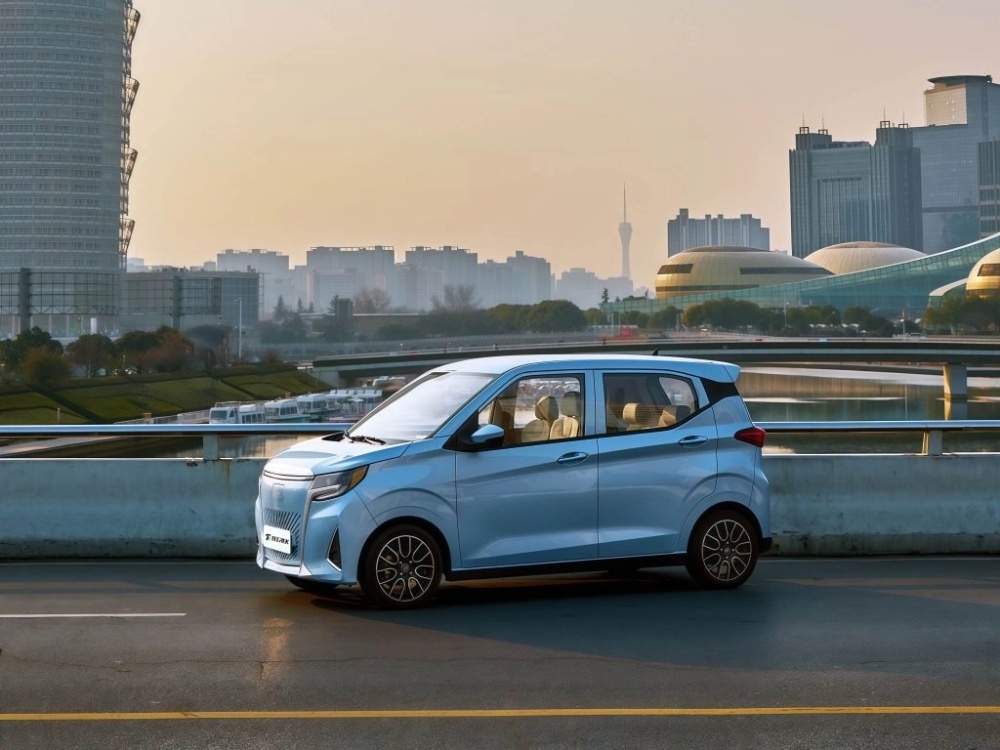
Per coprire buone distanze, il Mini auto elettrica a lungo raggio È perfetto per le esigenze. È dotato di una batteria al litio da 60 V e 150 Ah che offre un'autonomia da 140 a 165 chilometri per carica. Questo lo rende ideale per le piccole imprese, dove le frequenti soste rappresentano un problema. Il design garantisce un'alimentazione costante per interi turni di lavoro, riducendo al minimo i tempi di inattività.
Centraline di controllo motore robuste per la mini auto elettrica a 5 porte
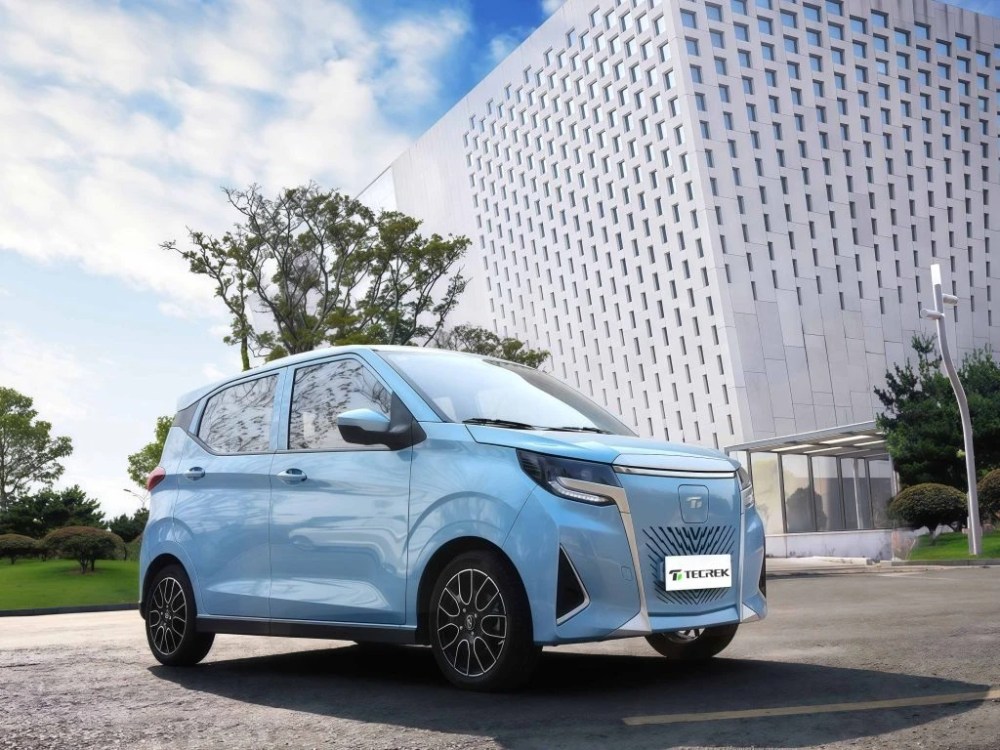
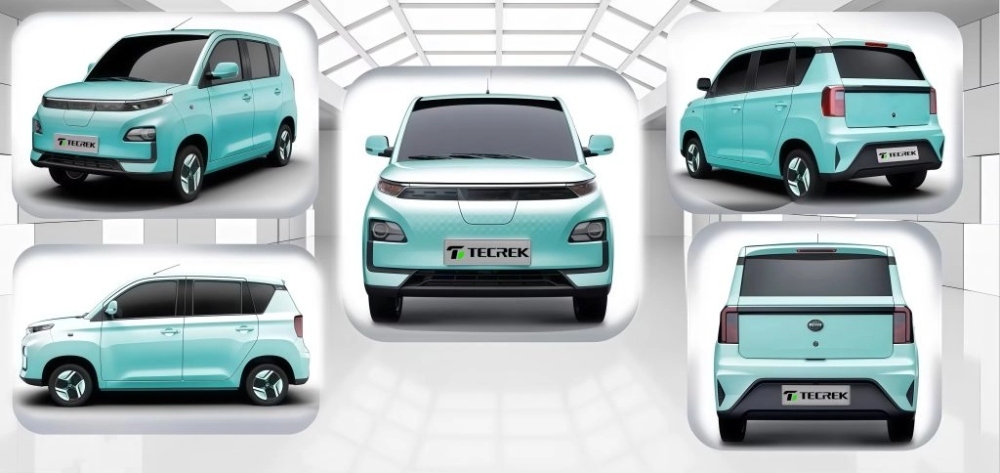
Quando si trasportano gruppi o carichi, il Mini auto elettrica a 5 porte Gestisce il tutto con un motore CA da 3000 W e un corpo semi-integrato. Il controller regola la potenza in modo che l'azionamento risulti potente e agevole, anche a pieno carico. Ciò mantiene prestazioni costanti in diverse situazioni di utilizzo. Soddisfa le esigenze più svariate senza sforzo.
Sistemi di frenatura rigenerativa per il recupero dell'energia cinetica
Quando si frena, l'energia dovrebbe tornare alla batteria. Questi sistemi trasformano il motore in un generatore per recuperare parte dell'energia durante le decelerazioni. Ogni volta che ci si ferma a un semaforo, un po' di energia viene recuperata. Nell'arco di una giornata, questo si traduce in un'autonomia maggiore. In questo modo, la guida in città risulta complessivamente più efficiente.
Cosa dovrebbero cercare gli acquirenti B2B in un fornitore di veicoli elettrici ad alta efficienza?
Per gli acquisti di flotte aziendali o per le imprese, il costo è solo uno dei fattori da considerare. È necessario un fornitore che comprenda l'intero ciclo di vita dei ricambi auto.
Integrazione delle capacità di produzione avanzata e di ricerca e sviluppo
Un buon fornitore gestisce il proprio Capacità di ricerca e sviluppo per stare al passo con le nuove tecnologie. Con dieci stabilimenti produttivi e quattro centri di ricerca, supervisiona la qualità dalla progettazione alla produzione. Questo controllo garantisce che i componenti si incastrino perfettamente tra loro. Inoltre, velocizza le richieste personalizzate dei clienti.
Rigoroso rispetto degli standard globali di garanzia della qualità.
Cercate certificazioni come ISO 9001 e IATF 16949. Queste attestano bassi tassi di errore, inferiori allo 0,3%, su componenti chiave come le luci. I laboratori eseguono test di resistenza alla nebbia salina e alle vibrazioni per comprovarne la durata. In questo modo, il veicolo si dimostra affidabile anche dopo un anno di utilizzo reale. Ciò infonde fiducia per un utilizzo a lungo termine.
Opzioni di personalizzazione per soddisfare le diverse esigenze del mercato internazionale.
I mercati variano notevolmente. Un partner affidabile offre garanzia di qualità e flessibilità nella scelta delle dimensioni della batteria o dello spazio di carico. Le opzioni relative a motori o assali posteriori consentono di soddisfare esigenze commerciali specifiche. Questa flessibilità si adatta perfettamente alle vendite globali e riduce i costi di adattamento per gli acquirenti.
Perché ShanDong TaiRui è la scelta migliore per l'eccellenza dei sistemi di propulsione?
La fiducia si costruisce con anni di impegno, non con successi immediati. Richiede rapporti di lunga data con i principali marchi automobilistici per sviluppare questo know-how.
Impianti di produzione all'avanguardia nello Shandong
Gli stabilimenti si estendono su oltre 230.000 metri quadrati e sono dotati di linee automatiche di saldatura e stampaggio. Questa configurazione garantisce la sicurezza e la uniformità di ogni veicolo. L'automazione individua tempestivamente eventuali difetti, assicurando così una produzione sempre di alto livello. Ciò consente una rapida scalabilità per far fronte agli ordini.
Centro di ricerca e sviluppo innovativo per la mobilità sostenibile
Il progresso richiede finanziamenti costanti. Nel 2022, il 6,8% del fatturato è stato destinato alla ricerca e sviluppo, che ha portato al deposito di 127 brevetti. Questo impegno dota i veicoli odierni di tecnologie energetiche innovative e li prepara alle tendenze della mobilità sostenibile. Gli acquirenti beneficiano inoltre di continui aggiornamenti.
Comprovata esperienza nella fornitura di veicoli elettrici ad alte prestazioni
Dal 2003, l'azienda fornisce sistemi a grandi nomi come BMW (Cina), Geely e Dongfeng Motor. I prodotti vengono distribuiti in oltre 100 paesi. Questo dimostra la loro Eccellenza nella trasmissione Ottiene riconoscimenti a livello globale. Dimostra affidabilità anche nei mercati più difficili. I partner possono contare su questa comprovata esperienza.
Domande frequenti
D1: Qual è il tempo medio di ricarica per questi mini veicoli elettrici?
R: In genere, la maggior parte di questi modelli impiega dalle 6 alle 8 ore per una ricarica completa, il che si adatta perfettamente a un programma notturno o a una giornata lavorativa.
D2: Posso personalizzare il veicolo in base alle mie specifiche esigenze aziendali?
A: Sì, è previsto un supporto simultaneo di ricerca e sviluppo per la collaborazione con gli OEM, che consente di apportare modifiche a componenti come le dimensioni del cassone, la potenza del motore e persino la disposizione degli interni.
D3: Questi veicoli elettrici sono certificati per i mercati internazionali?
A: Assolutamente. I veicoli e i componenti sono in possesso di diverse certificazioni, tra cui EEC, COC e CCC, che garantiscono il rispetto dei requisiti legali e di sicurezza delle diverse regioni.
D4: Che tipo di garanzia viene offerta sui componenti del gruppo propulsore?
R: La maggior parte dei prodotti è coperta da una garanzia completa di 1 anno, mentre i componenti chiave come il motore e il controller spesso hanno una copertura specifica fino a 2 anni.
D5: Come si comporta il veicolo su pendenze ripide o strade dissestate?
A: Molti modelli sono dotati di motori ad alta coppia in grado di superare pendenze fino a 35°, supportati da ammortizzatori idraulici che filtrano gli urti su superfici irregolari.