
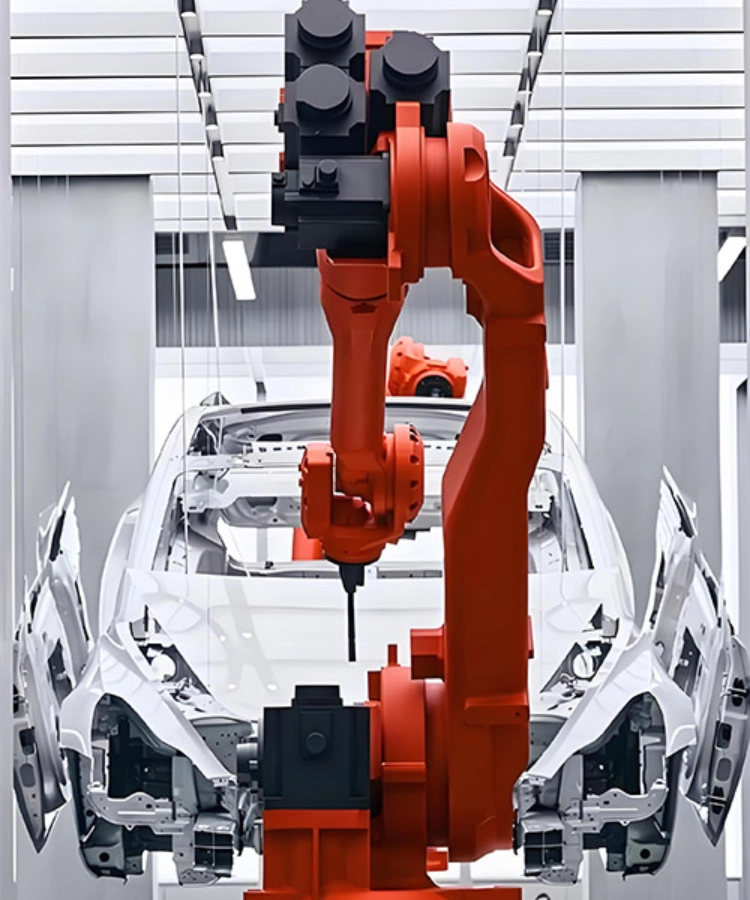
A finished truck cab does not reach the final line as steel. Paint, sealant, wiring, glass, trim: all on board by then. Seats bolted down. Steering column torqued to spec. This finished unit is what the trade books call a cab assembly, though the name feels too tidy for how many things can hide inside. Fleets judge the result. Purchasing should judge the process, because one weak stage in the chain turns into somebody’s warranty claim two years later.
Cab Assembly versus Cab in White
Skeleton versus finished room. E coating, primer, top coat come first for the white body. After that, insulation. A harness threading through next, then trim, glass, dashboard, seats, pedals in some plant-specific order. Doors get hung and adjusted somewhere in the middle of all that. Weatherstrips too. Last of all come lamps and mirrors, set against the freshest paint, where flaws have nowhere to hide.
Value joins at every stage. Error joins too. Hang a door one millimetre out and fresh paint makes it obvious. Route a harness carelessly and the rattle rides along for the life of the truck.
Mix-ups between the two terms happen constantly; certain suppliers quietly enjoy the confusion. So pin the scope down before requesting a quote. Bare shell, painted cab, or full assembly with trim? Quote prices for those three live on different planets.
What a Complete Cab Assembly Contains
Contracts differ, yet a turnkey job usually boils down to this: painted shell, doors included. Inside it, dashboard and harness and HVAC ducts plus trim panels and seats. Glass up front and along the sides, sealed. Outside, the mirrors, wipers, lamps, grab handles. Pedals and the steering column mount get checked, as do certified seat belt anchorages. Want a sleeper package or some special heater? Write it into the contract as a line item. Assumptions cost money.
How Plants Build a Cab Assembly
Four processes anchor everything: stamping, welding, painting, final assembly. Stampings feed the weld shop. Fixtures and robots turn panels into a white body. Then paint, which gets less respect than it deserves, because e coating is what stands between the cab and rust creeping in from the inside a few years on.
Final assembly rewards sequencing discipline. Harness before insulation. Insulation before trim. Glass, then leak tests. Torque values logged, lamps and wipers and heaters function checked. A plant with a real testing laboratory catches its failures at the bench. A plant without one ships them to you.
Inside Tairui’s Cab and Cargo Body Business
Cabin and cargo body work for special vehicles is one of five Tairui segments. The others: electric microcar design and manufacture, global classic retro vehicle body assembly, customized car body covering parts, auto parts. Lu Ling and Rui Wang are the group’s own special vehicle brands, and those vehicles carry CCC certification.
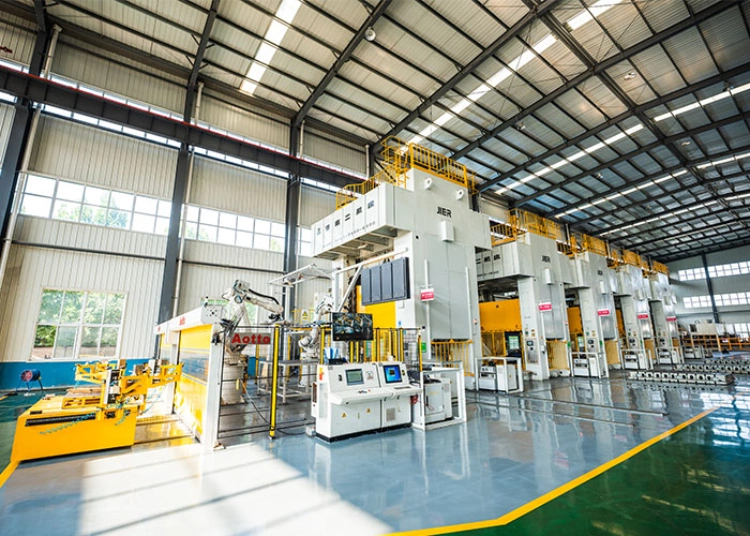
Tairui dates to 2003. Zhucheng, Shandong headquarters. 4 R&D centers and 10 production bases across 8 provinces today, 360,000 square meters, fixed assets of 1.52 billion yuan. The Zhucheng site alone holds 230,000 square meters: stamping lines, automated welding lines, lamp assembly lines, special vehicle lines, a mold processing center, a testing laboratory. Fourteen international patents so far.
Quality systems matter more than buildings. IATF 16949 passed, ISO 45001 and ISO 14001 too. On the customer list: FOTON, SAIC-GM-Wuling, Sinotruk, JAC, Geely, Great Wall, Dongfeng, and since 2022 BMW China plus Shaanxi Automobile heavy trucks. Capacity still climbs; the Shandong Laiwu factory and the Jiangxi Jingdezhen factory both fired up in 2024. The 핵심 사업 page maps the segments, and 제조 능력 covers the process side.
What to Verify Before Awarding a Cab Assembly Order
Ask for paperwork before any sales deck. The records that matter: incoming material certificates. Weld audit reports. Dimension reports on the white body. Paint film thickness logs. Leak test results. Torque records from final assembly. Functional checks on lamps and wipers. A supplier producing these without being chased twice has probably survived a major OEM audit already. Our article on what inspection records a special vehicle cab assembly supplier should provide lists them all, and the 품질 보장 page shows the system behind them.
Prototype turnaround is its own question. Tooling decides timelines in custom cab work. In-house mold cutting keeps control of the schedule; outsourced tooling imports somebody else’s. Ask for a milestone plan from design release to first sample. Then ask about the last three projects: which milestones slipped, and why? R&D depth shows in the answer. The 연구 개발 역량 page lists the design and verification systems involved.
One more thing. Agree the acceptance standard before sample one ships. Measurement points, torque classes, leak test method, all in writing. That meeting costs an hour. The argument it prevents costs weeks.
FAQ
What does a truck cab assembly include?
Painted shell with its doors. Glass, sealed. Harness, dashboard, interior trim, HVAC, seats inside. Mirrors, wipers, lamps outside. Assembled, then function checked. Where one supplier’s scope ends differs from the next, so confirm the boundary before anyone quotes.
How is a cab assembly different from a cab in white?
One is the unpainted welded structure. The other is that same structure once paint, glass, wiring, trim and seats have gone on. Geometry mistakes made in the white body ride into assembly untouched; that is exactly why upstream dimensional control gets so much emphasis.
Can cab assemblies be customized for special vehicles?
Yes, and Tairui runs it as a dedicated segment: special vehicle cabin and cargo body work, tailored from customer requirement through to delivery, with its own mold processing center and R&D centers behind it. Fire, municipal, logistics applications each bring different layouts and mounting needs.
Which certifications should a cab assembly supplier hold?
IATF 16949 as the baseline, ISO 14001 and ISO 45001 alongside it for environment and safety. CCC applies to special vehicles sold in China. Tairui holds the set and has cleared OEM supply audits from FOTON through to BMW China and Shaanxi Automobile.
How long does custom cab development take?
Tooling decides. Revising existing molds is quick. New tooling adds mold cutting and trials, which is why in-house mold capability shortens schedules. Get a milestone plan covering design release, mold completion, first sample and sign off, then check it against the supplier’s recent record. More buyer notes sit in the news section.