
Quando você examina um carro elétrico corrente, você nota um carro limpo fora e um motor silencioso. No entanto, sob essa cobertura descansa inúmeras horas de trabalho detalhado de design. Criar um automóvel confiável envolve mais do que montar componentes; requer uma vast a rede de produção que assegure que cada pequeno detalhe se encaixe corretamente. Para compradores buscando um colaborador neste campo, ShanDong TaiRui emerge como um jogador principal. A partir de 2003, elas se expandiram de uma pequena loja local para uma empresa com 10 locais de fabricação em 8 regiões. Com 1,52 bilhões de yuan em ativos constantes e uma grande área de 360.000 metros quadrados, eles vão além da produção de veículos simples; Eles os projetam do nível básico. Se através de suas capacidades de fabricação ou seus R&D Centros Desta empresa dedicou anos a servir como um fornecedor chave para grandes nomes como Geely e GM Wuling. Eles gerem todos os estágios, desde a formação inicial até a última combinação com a determinação típica de líderes do setor experientes.
Por que a engenharia de precisão importa para seu comutado sustentável?
Um automóvel que treme ou produz sons estranhos depois de meio ano representa um lapso de precisão. Na área do movimento elétrico de velocidade lenta, os riscos permanecem significativos, uma vez que esses automóveis sobrevivem a operação diaria em zonas urbanas estreitas. Se a estrutura falta de alinhamento exato, as rodas se deterioram mais rápido, e a fonte de energia deve trabalhar muito mais duro.
Integridade Estrutural Superior
Um automóvel sólido começa com uma estrutura que resiste a dobrar em pontos errados. A ligação automática garante que cada conexão coincide precisamente. Essa uniformidade assegura que quando você atinge um buraco na estrada ou uma borda, a força se espalha pela base como planejado, o que mantém sua proteção e mantém o carro intacto. Como resultado, aumenta a segurança geral.
Optimização da Eficiência Energética
Minores erros em montar elementos mecânicos geram resistência. Tal resistência prejudica muito a distância de viagem. Quando as partes de motor se alinham exatamente, o motor fornece força às rodas sem perder energia como calor. Consequentemente, este método proporciona maior distância de uma carga, e evita a necessidade de uma fonte de energia maior e mais caro. Além disso, apoia o uso prático.
Enhanced Driving Ergonomics
Você reconhece uma boa construção pela resposta de direção. O ajuste preciso da configuração de suporte evita essa sensação perdida. Ela coloca o automóvel firmemente no caminho, o que se prova vital durante fluxo urbano ocupado ou manobras agudas. Portanto, melhora o controle e o conforto.
O que define a anatomia de um veículo elétrico de alta qualidade?
Um automóvel elétrico excede uma simples fonte de energia em castores. Ela forma uma rede detalhada onde partes físicas e elementos digitais se comunicam instantaneamente. O padrão desses componentes escondidos decide se o automóvel dura três anos ou uma década.
Sistemas Avançados de Bateria de Poder
O núcleo de qualquer Veículo elétrico amigável da ECO está no grupo de poder. Essas instalações empregam unidades de grande volume que permanecem constantes em condições de alto calor ou frio. Uma fonte de energia confiável não se concentra apenas no volume; Centra-se no mecanismo de controle que evita carga excessiva e prolonga o automóvel. a duração completa. Essa abordagem assegura um desempenho confiável ao longo do tempo.
Módulos de unidade elétrica integrados
Os motores atuais permanecem pequenos, mas fortes. Ao combinar o motor e o regulador em um pedaço, a disposição reduz área e elimina cabos grossos. Isso leva à for ça imediata, que dá o rápido começo necessário para se unir ao fluxo rodoviário. Como tal, impulsiona o tratamento em cenários diários.
Design de corpo aerodinâmico ligeiro
O excesso de peso abrange fortemente o intervalo de viagens. Aplicar metal forte e materiais ligeiros cria uma cobertura mais firme sem adicionar mass a. Quanto mais limpo os formatos da cobertura, mais baixo o ar empurrado você encontra, o que explica por que mesmo pequenos tipos apresentam contornos curvos e lisos. Consequentemente, esse design ajuda a melhor eficiência.
Como a fabricação moderna transforma materiais-primas em inovação?
Convertir uma folha de metal em uma cobertura de automóvel requer um método duro mas cuidadoso. Ela exige equipamento enorme e programas inteligentes. - As plantas presentes aplicam um “ rede completa estratégia onde cada fase permanece gerida internamente para evitar cair de qualidade em vários fornecedores.
Processos inteligentes de marcação e soldagem
Grandes pressas formadoras produzem seções de cobertura sem diferenças. Depois de se formar, as máquinas lidam com a união. As linhas máquinas superam as pessoas em entregar a união idêntica forte 500 vezes por dia, e isso explica por que cobre os tipos de qualidade próximos de um som sólido. Portanto, mantém padrões de construção coerentes.
Tecnicas de pintura e cobertura de precisão
A corrosão arruina os automóveis quietamente. Um tratamento correto da superfície inclui depósito elétrico. Isso serve mais do que aparência; Ele atua como um processo de ligação que liga a camada de base ao metal, formando uma barreira contra sal, água e umidade. Assim, preserva o automóvel o cuidado fresco de anos de exposição externa. Além disso, estende a durabilidade.
Normas Finais de Assembleia e Calibração
Este estágio junta os elementos. O motor, a fonte de energia e as partes internas se unim numa linha flutuante. Os trabalhadores aplicam ferramentas eletrônicas de apertura para confirmar que cada apertura atinge o nível de força preciso estabelecido pelos designers. Não existe espaço para estimativas aqui, e essa precisão assegura uma operação confiável.
Qual é o melhor estilo de vida urbano da ECO?
Requisitos variados exigem construções variadas. Um trabalhador de transporte em uma zona urbana embalada requer um tipo diferente do que alguém que lida com tarefas em uma zona residencial. Escolhar a base adequada reduz custos e simplifica atividades de rotina.
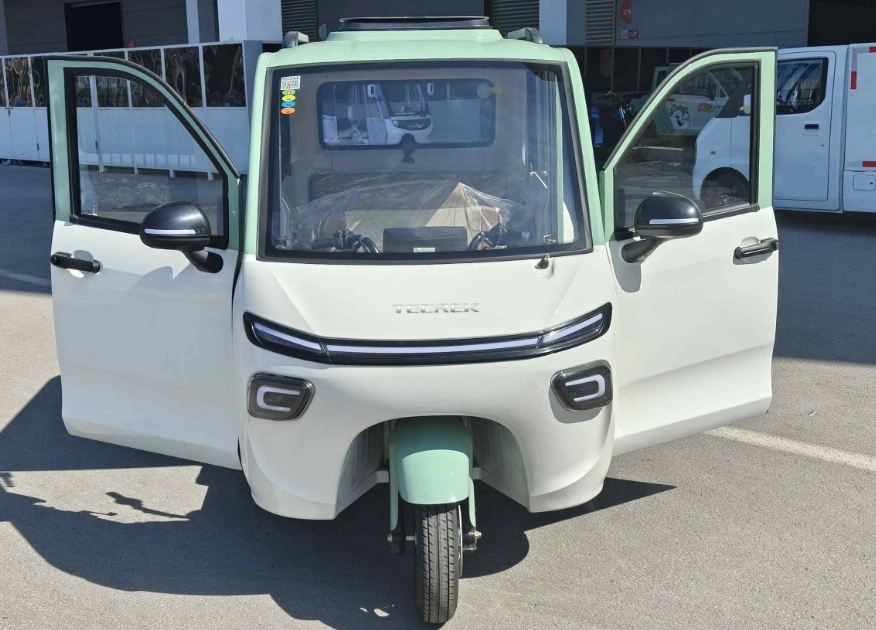
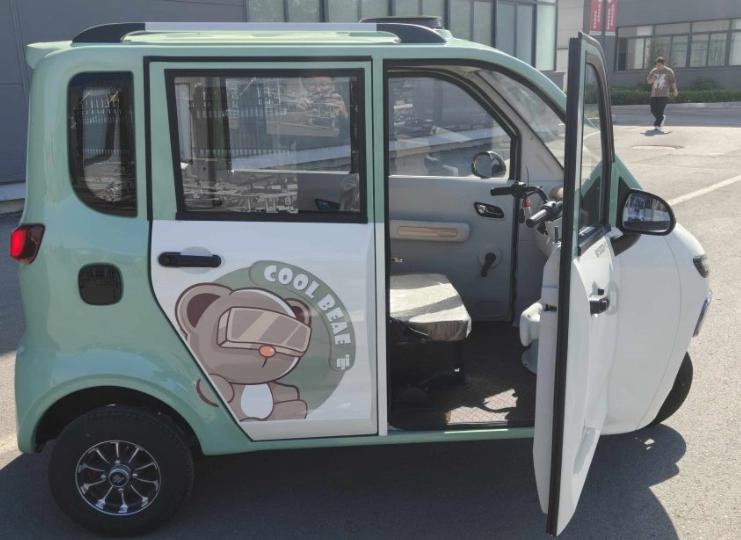
O Compact Versatile Three-Wheel Electric Car
Para caminhos pequenos e lugares fechados de estacionamento, Compact Three-Wheel Electric Car muda a abordagem. Ela se encaixa onde os automóveis típicos não podem, mas fornece uma cobertura superior e um escudo frontal para ficar seco. Isso serve como a melhor escolha para a utilidade de curta distância. Como resultado, ela se encaixa em exigências urbanas estritas.
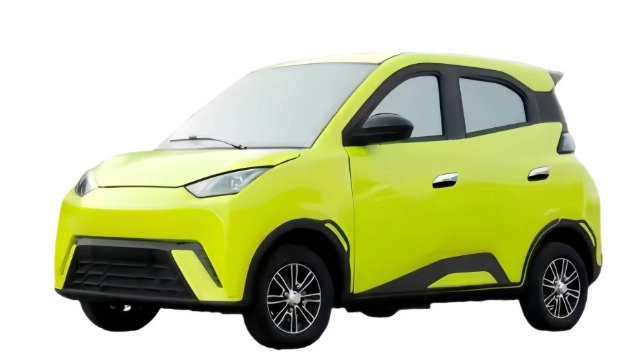
O veículo elétrico amigável da ECO de alta performance
Se você busca mais estabilidade e espaço para cavaleiros, os tipos de quatro castores oferecem um sentimento familiar de automóvel. Estes descansam nas mesmas bases difíceis usadas para automóveis de negócios, então eles gerem uma carga completa de itens ou ferramentas sem perder velocidade. Portanto, eles apoiam variadas cargas diárias efetivamente.
Adaptação adaptada para Operações da Flota
Às vezes, um tipo básico falha em concordar com a tarefa. Fornecedores de peritos fornecem opções para ajustar o arranjo, como uma área de armazenamento maior ou uma instalação de assentos específicos. Essa adaptabilidade explica seu crescimento em zonas cenárias, campos rurais e locais fábricos. Por sua vez, atende às necessidades operacionais específicas.
Como garantia de garantia de qualidade rigorosa a confiabilidade do veículo?
Você evita servir como operador de ensaio para seu próprio carro. - Um fornecedor confiável submete cada unidade a um exame estrito antes de etiquetá-lo para transporte. Aqui, as 14 patentes mundiais e aprovações IATF 16949 têm valor real para o comprador final.
Protocolos Comprehensivos de Teste de Performance
Cada carro passa por um controle de água para entrada em água e um caminho imitado para detectar quaisquer partes soltas. Eles examinam o sistema de paragem, sinais e circuitos sob pressão. Se um detector falhar mesmo uma vez, o automóvel retorna à linha para corrigir. Este processo profundo confirma resultados fortes.
Inspecções rigorosas de matérias-primas
Os padrões começam no ponto de entrada. Metal recebe verificações para seu tipo, e elementos plásticos são submetidos a testes de resistência à luz para evitar quebra na luz solar. A gestão dos materiais iniciais reduz problemas inesperados após vários anos. Consequentemente, ela cria confiança a longo prazo.
Compliança Internacional da Certificação de Segurança
Se a CCC corresponde à área chinesa ou a ECE/SAE corresponde aos transportes globais, evidências de proteção de terceiros permanecem essenciais. Confirma que os sinais, cintos de segurança e mecanismos de paragem se alinham com as regras mundiais para o funcionamento do caminho. Como tal, assegura a segurança dos usuários através das fronteiras.
Por que ShanDong TaiRui é o parceiro preferido para a mobilidade elétrica?
Selecionando um fornecedor centros de confiança e tamanho. Você precisa de uma firm a que dura além do ano seguinte. Com duas décadas em funcionamento e uma estrutura ampla, esse parceiro se encaixa em compromissos prolongados.
Decadas de experiência automóvel comprovada
Desde seu in ício em 2003, a empresa navegou em todas as mudanças de mercado enfatizando princípios fundamentais. Eles ganharam Excelente Fornecedor o estatuto de principais jogadores como SAIC-GM-Wuling, que surge de esforço constante. Esse registro sustenta parcerias confiáveis.
Capacidades robustas de Pesquisa e Desenvolvimento
Com 4 R&D, Centros D, eles evitam replicar layouts passados. Em vez disso, eles desenvolvem interiores inteligentes e métodos de redução de peso ativamente. Eles atribuem fundos significativos a um laboratório de estrutura inteligente para garantir que sua próxima geração de automóveis obtém maior utilidade. Portanto, isso impulsiona avanços futuros.
Energia de Fabricação Integrada de Cadeia Completa
Controlar 10 locais de fabricação em 8 regiões lhes proporciona uma margem clara. Eles não dependem de grupos externos para formação ou sinais. Este controle completo baixa as despesas e mantém padrões em um lugar. Como resultado, ele racionaliza a produção.
Serviço Global e Apoio à Cadeia de Fornecimento
Enviar um automóvel envolve complexidade, mas com uma taxa de aprovação de 99,7% e uma percepção sólida do transporte mundial, eles lidam com isso suavemente. Eles fornecem um serviço de rede completo, começando do plano inicial desenhando até o ponto em que o carro chega à sua localização. Essa ajuda de fim a fim assegura uma entrega sem problemas.
FAQ
Q1: Qual é a gama média de um veículo elétrico de baixa velocidade?
A: Dependendo da escolha da bateria, como a opção de lítio 60V150AH, você pode esperar uma distância entre 140 e 165 quilômetros, o que é bastante por vários dias de viagem urbana.
Q2: Estes veículos são difíceis de manter comparados aos de gás?
A: Absolutamente não. Porque não há mudanças de petróleo, conexões de sinal, ou transmissões complexas, a manutenção é principalmente sobre verificar a pressão dos pneus e as conexões de freio. É muito mais barato com o tempo.
Q3: Os modelos de três rodas podem lidar com colinas?
A: Sim, muitos modelos estão equipados com motores de AC 3000W que podem subir inclinações até 35 graus bem facilmente, tornando-as adequadas para bairros colinosos ou rampas de estacionamento.
Q4: Que tipo de certificações de segurança as partes têm?
A: Os processos de fabricação seguem os padrões IATF 16949, e componentes específicos como luzes de veículos frequentemente carregam certificações SAE ou ECE para a conformidade internacional com a segurança.
Q5: É possível personalizar o veículo para um negócio?
A: Absolutamente. Fabricantes como TaiRui oferecem serviços personalizados que cobrem tudo desde cores corporais específicas até configurações de carga especializadas para atender às suas necessidades específicas de negócios.