
Os SUVs elétricos compactos não são mais avaliados apenas pelo tamanho ou preço. Para importadores, concessionárias, operadores de frotas e projetos de mobilidade urbana, a verdadeira questão é simples: o veículo tem autonomia suficiente, carrega rápido o bastante e ainda oferece segurança no trânsito diário? Uma plataforma de alta voltagem de 312 V ajuda a responder a essa pergunta, pois a voltagem influencia a entrega de energia, o comportamento do carregamento, o controle térmico e a resposta do veículo.
O Pequeno suv elétrico quatro lugares é construído em torno dessa ideia. Utiliza uma plataforma de 312 V, uma bateria de lítio ternária de 31,15 kWh, um motor de 50 kW, 125 Nm de torque, carregamento CA e CC CCS2 e uma autonomia declarada de até 320 km. Para compradores que comparam veículos elétricos compactos, esses números não são apenas detalhes de catálogo. Eles moldam o desempenho do carro após meses de uso real.
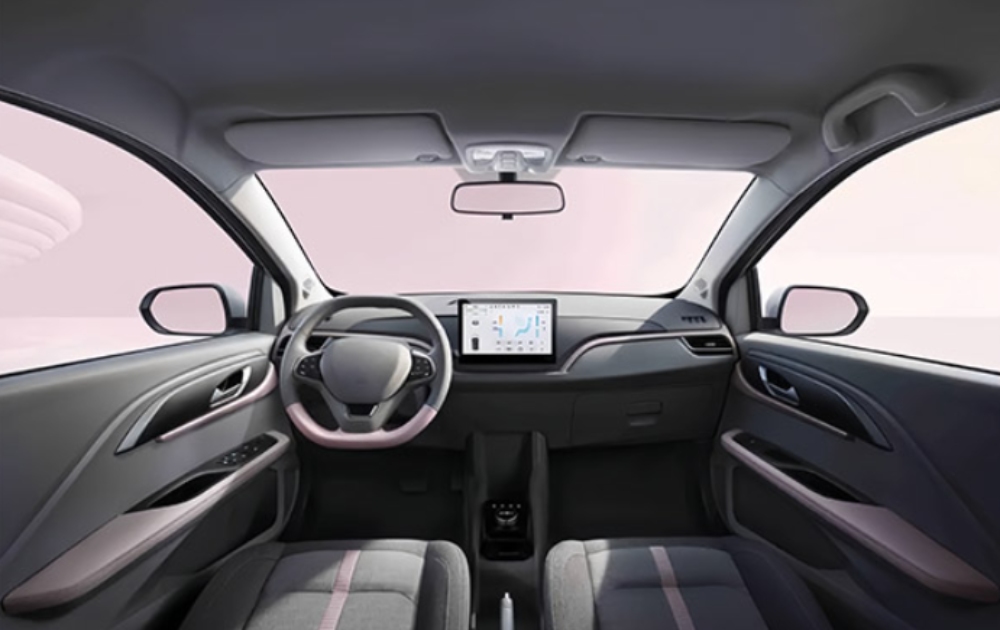
O que significa 312 V em um SUV elétrico compacto?
A voltagem é frequentemente ignorada pelos compradores por parecer um termo muito técnico. No entanto, é um dos primeiros itens que você deve verificar ao comparar veículos elétricos compactos. Uma plataforma de 312 V está muito acima dos sistemas de baixa voltagem usados em áreas urbanas para veículos elétricos, permitindo que o veículo transfira energia da bateria para o motor com menor esforço elétrico.
Tensão mais alta, pressão de corrente mais baixa
A energia elétrica depende da tensão e da corrente. Quando a tensão aumenta, o sistema pode fornecer a mesma potência com uma corrente menor. Isso é importante porque uma corrente alta gera mais calor nos cabos, conectores e unidades de controle.
Para um SUV compacto com motor de 50 kW, isso faz toda a diferença. A plataforma de 312 V ajuda o veículo a fornecer uma potência maior sem sobrecarregar o sistema elétrico. Não é mágica. É lógica elétrica básica, mas, em frotas, lógica básica evita problemas.
Fluxo de energia mais suave para a condução diária.
Um SUV compacto frequentemente circula em trânsito intenso com muitas paradas e arranques. Ele liga, freia, faz curvas e sobe pequenas rampas o dia todo. Uma plataforma de voltagem mais alta ajuda o motor a receber energia de forma mais limpa e estável.
O Pequeno suv elétrico quatro lugares Essa plataforma combina um torque máximo de 125 Nm e uma velocidade máxima de 110 km/h. Isso significa que você não está comprando um carrinho urbano pequeno que tem dificuldades para sair de ruas estreitas. Ele consegue lidar com vias expressas urbanas, ruas suburbanas e uso familiar sem parecer frágil.
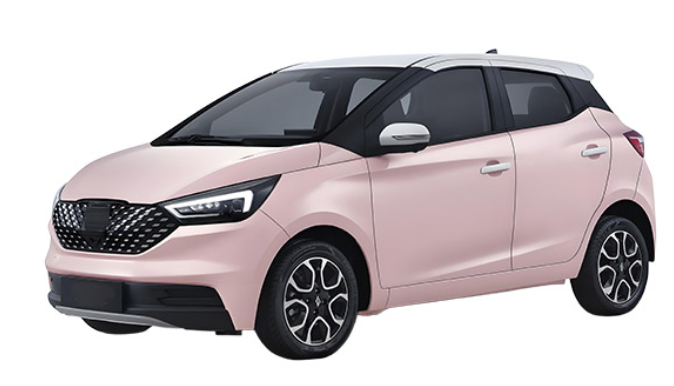
Por que a voltagem afeta a aceleração e a sensação ao dirigir?
Muitos compradores descrevem um veículo elétrico ruim como "lento na aceleração". Essa sensação geralmente vem da baixa potência do motor, da incompatibilidade do controlador, do peso elevado da carroceria ou de um sistema de baixa voltagem que não consegue fornecer energia suficiente rapidamente. Uma plataforma de 312 V ajuda a reduzir essa sensação de lentidão, especialmente quando o carro está carregado com passageiros.
Resposta mais rápida em velocidades urbanas
No dia a dia, a aceleração abaixo de 60 km/h é mais importante do que uma alta velocidade máxima. O motorista precisa de respostas rápidas ao sair de uma vaga de estacionamento, entrar no trânsito ou ultrapassar um veículo lento. Com 50 kW de potência e 125 Nm de torque, este pequeno SUV elétrico oferece força suficiente para o uso normal em cidades e áreas suburbanas.
O veículo também possui um peso em ordem de marcha de 1020 kg e um peso máximo de carga de 1320 kg. Esses números são importantes para os distribuidores. Um veículo elétrico compacto muito leve pode parecer instável, enquanto um muito pesado reduz a autonomia. Este modelo mantém um equilíbrio prático entre tamanho da carroceria, capacidade da bateria e potência do motor.
Melhor equilíbrio entre autonomia e potência do motor
Mais potência só é útil quando a bateria consegue suportá-la. A bateria ternária de lítio de 31,15 kWh proporciona ao veículo uma autonomia declarada de até 320 km. Para um veículo elétrico urbano de quatro lugares, essa é uma faixa de autonomia útil para deslocamentos diários, transporte por aplicativo, transporte universitário e uso em frotas municipais.
O objetivo não é buscar a bateria maior. Uma bateria maior pode aumentar o custo e o peso. Uma bateria menor pode reduzir o preço, mas sobrecarregar o sistema de carregamento. Neste caso, a plataforma de 312 V e a bateria de 31,15 kWh trabalham em conjunto, permitindo que o carro permaneça compacto e, ao mesmo tempo, percorra distâncias maiores no dia a dia.
Como a plataforma auxilia no carregamento e no uso em frotas?
O carregamento é um ponto de preocupação para muitos compradores. Um carro pode parecer ótimo em uma concessionária, mas se demorar muito para carregar durante um dia de trabalho agitado, torna-se difícil usá-lo. Para as concessionárias no exterior, isso também representa um problema de vendas, pois os clientes sempre perguntam sobre opções práticas de carregamento.
Carregamento CA e CC para diferentes dias úteis
Este modelo suporta carregamento CA e CC com o padrão CCS2. O carregamento CA é ideal para uso noturno em casa, em hotéis ou depósitos. O carregamento CC é útil quando o veículo precisa retornar ao serviço mais rapidamente. Essa flexibilidade é importante para frotas, pois nem todos os dias de trabalho seguem o mesmo cronograma.
Por exemplo, uma pequena empresa de transporte por aplicativo pode carregar seus veículos lentamente à noite, mas usar o carregamento em corrente contínua (CC) durante os fins de semana de pico. Um comprador familiar pode usar principalmente o carregamento em corrente alternada (CA) e recorrer ao carregamento em CC apenas durante viagens longas dentro da cidade. Pequenos detalhes, grande alívio.
Menos tempo de inatividade para rotas de alta frequência
Os compradores de frotas se preocupam com o tempo de atividade dos veículos. Se um carro passa muitas horas esperando em um carregador, o baixo preço de compra perde o sentido. A plataforma de 312 V ajuda o sistema de carregamento a funcionar com mais eficiência do que muitas configurações de tensão mais baixa, enquanto o carregamento CCS2 melhora a compatibilidade com a infraestrutura em muitos mercados-alvo.
Se você está buscando veículos para concessionárias, frotas de locadoras ou projetos urbanos, este ponto merece um item na sua lista de comparação de produtos: o tipo de carregamento, a plataforma de voltagem, a capacidade da bateria e a distância percorrida diariamente devem ser verificados em conjunto, e não individualmente.
O que os compradores devem verificar além da voltagem?
Uma plataforma de 312 V melhora o desempenho, mas a voltagem por si só não faz um bom SUV compacto. É preciso verificar o layout da carroceria, a suspensão, os freios, os pneus, os itens de conforto e as certificações. Um veículo é um sistema. Uma especificação forte não compensa cinco fracas.
Química da bateria e autonomia real
A bateria ternária de lítio proporciona a este veículo um bom equilíbrio entre densidade de energia e autonomia. A autonomia anunciada de 320 km permite uma utilização diária mais prolongada, mas a quilometragem real dependerá da velocidade, do uso do ar condicionado, da quantidade de passageiros, das condições da estrada e dos hábitos de carregamento.
Para compradores B2B, solicite orientações baseadas na rota. Uma rota de transporte escolar de 15 km, um circuito urbano de 60 km para locação e um percurso misto de 180 km em vias públicas não são o mesmo trabalho. Um bom processo de compras começa com a definição da rota, não com a análise do catálogo.
Detalhes do chassi, freios e conforto
O produto utiliza freios a disco na dianteira e a tambor na traseira, suspensão dianteira independente McPherson e suspensão traseira semi-independente com eixo de torção. Essa configuração é prática para veículos elétricos compactos urbanos, pois mantém a dianteira estável, economiza espaço na traseira e controla os custos.
Os pneus 165/65 R15, a direção hidráulica e o ar-condicionado também são importantes. Podem parecer itens comuns, mas são justamente esses recursos de conforto que influenciam a decisão do motorista de gostar ou não do carro após a primeira semana. Um veículo fácil de estacionar, que mantém a temperatura agradável em dias quentes e é estável em ruas irregulares da cidade, recebe menos reclamações.
Por que a ShanDong TaiRui se encaixa nessa direção de produto?
Após verificar as especificações da plataforma e do veículo, a próxima questão é a confiabilidade do fornecedor. Compradores de SUVs elétricos compactos frequentemente se preocupam com personalização, consistência entre lotes, documentação e suporte pós-venda. É aqui que o histórico do fabricante se torna parte do valor do produto.
Controle de P&D e Fabricação
ShanDong TaiRui Fundada em 2003, a empresa acumulou experiência em veículos de passageiros, veículos comerciais, veículos especiais, veículos completos e autopeças. Sua base de conhecimento inclui 4 centros de P&D, 10 bases de produção em 8 províncias e cidades, uma área total de 360.000 metros quadrados e ativos fixos de 1,52 bilhão de yuans.
Para os compradores, isso significa que Negócio principal da ShanDong TaiRui Não se limita a uma linha de produtos restrita. O trabalho de carroceria, o design de microcarros elétricos, projetos especiais de cabine e carroceria de carga, e a experiência em autopeças são todos úteis quando um veículo elétrico compacto precisa de adaptações para o mercado local.
Verificações de qualidade e projetos personalizados
As informações da empresa também mencionam linhas de produção de estampagem, linhas de produção de soldagem automatizada, linhas de montagem de faróis automotivos, linhas de produção de veículos especiais, centros de processamento de moldes e laboratórios de testes. A mesma fonte registra experiência com as certificações IATF 16949, ISO 45001, ISO 14001 e CCC.
Por isso Capacidades de fabricação da ShanDong TaiRui e Garantia de Qualidade ShanDong TaiRui Deve ser verificado em conjunto com a página do produto. Um bom SUV elétrico de 312 V não se resume apenas ao conjunto motopropulsor. Envolve também precisão na estampagem, estabilidade da soldagem, instalação da bateria, segurança da fiação, testes em estrada e inspeção final. Não é glamoroso, mas é muito importante.
Para projetos de exportação, o produto também oferece suporte à personalização OEM, incluindo layouts internos, configurações funcionais e soluções de marca. Se o seu mercado precisar de uma versão familiar, uma versão para frotas ou uma versão para mobilidade urbana, a personalização pode tornar a mesma plataforma mais adequada para vendas locais.
FAQ
P1: Como uma plataforma de alta tensão de 312 V melhora o desempenho de SUVs elétricos compactos?
A: Permite que o veículo forneça energia com menor pressão de corrente, o que ajuda a reduzir o calor, melhorar o fluxo de energia e proporcionar maior aceleração. No SUV elétrico compacto de quatro lugares, a plataforma de 312 V trabalha com um motor de 50 kW e 125 Nm de torque para melhor condução em cidades e áreas suburbanas.
P2: A bateria de 31,15 kWh é suficiente para o uso diário?
R: Sim, para muitas rotas urbanas e suburbanas. O veículo indica uma autonomia de até 320 km, o que pode ser adequado para deslocamentos diários, transporte familiar, serviços de transporte por aplicativo e uso em frotas. A autonomia real varia de acordo com a carga, a velocidade, o uso do ar-condicionado e o estilo de condução.
P3: Este SUV elétrico compacto suporta carregamento rápido?
R: Sim. Ele suporta carregamento CA e CC com CCS2. O carregamento CA é útil para carregamento noturno, enquanto o carregamento CC ajuda a reduzir o tempo de espera durante a operação comercial.
Q4: Quais características do chassi os compradores devem verificar?
A: Verifique a suspensão dianteira independente McPherson, a suspensão traseira semi-independente com eixo de torção, os freios a disco dianteiros e a tambor traseiros, o tamanho dos pneus, a assistência da direção e o ar-condicionado. Esses detalhes afetam o conforto, a dirigibilidade, a manutenção e a satisfação do comprador.
Q5: A ShanDong TaiRui pode personalizar este veículo para diferentes mercados?
R: Sim. A página do produto informa que a personalização OEM está disponível para configurações internas, atualizações funcionais e personalização da marca. Para importadores e compradores de frotas, é recomendável discutir as necessidades de rota, certificação local, condições de carregamento e preço-alvo antes de confirmar a configuração final.