
I. Основное определение и макроценность
«Автомобильная революция легкого веса» просто делает автомобили легче, чтобы сделать их более эффективными и экологически чистыми. Когда мы уменьшаем вес транспортного средства, он использует меньше энергии. Он также работает лучше в целом и стоит меньше для ежедневной работы.
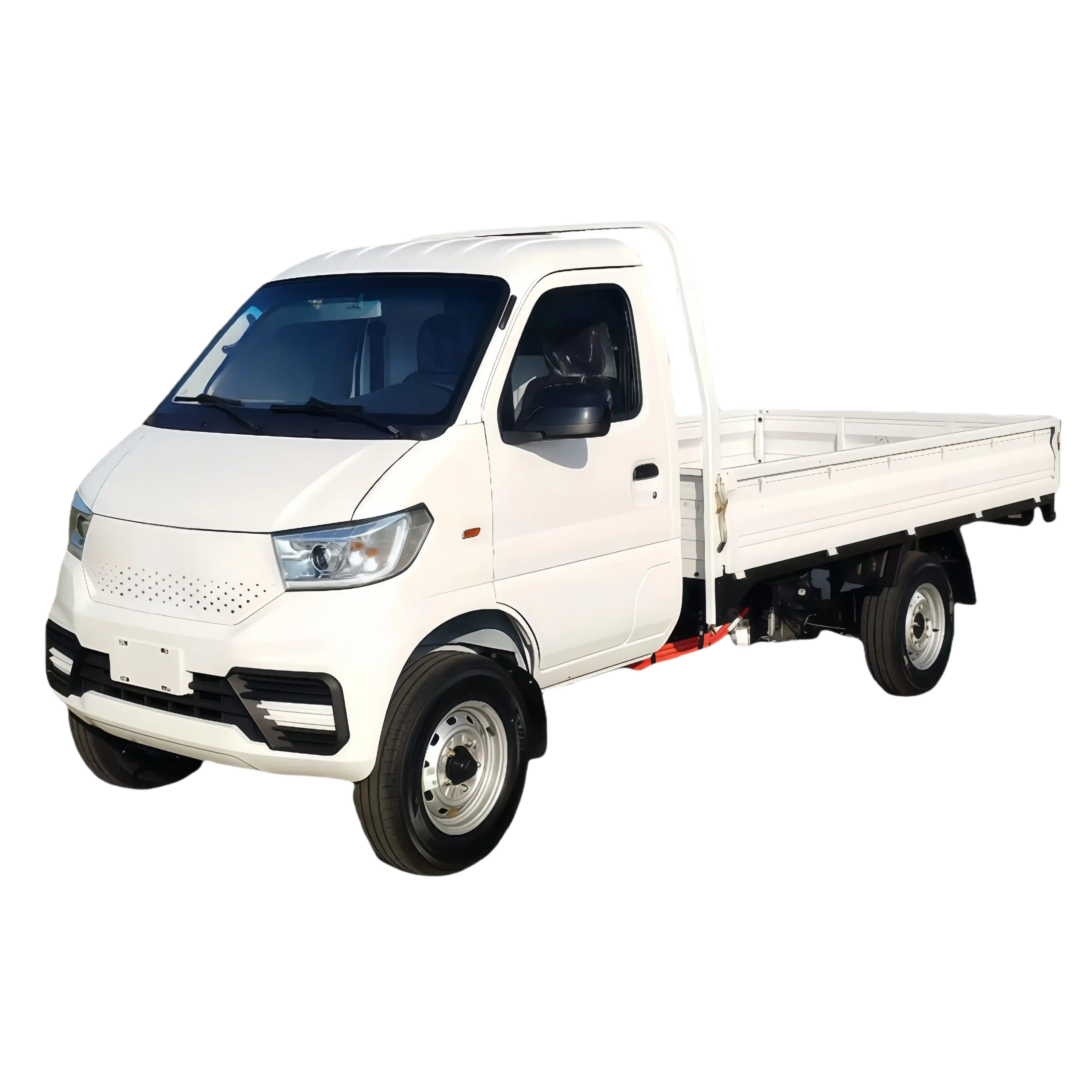
Для таких компаний, как Тайруи, фокусируясь на легком весе транспортного средства тесно связан с проектированием городские электромобили, электрические четырехколесные транспортные средства и электрические легкие коммерческие транспортные средства. Эти автомобили должны соответствовать всем видам потребностей клиентов в городах и для коммерческого использования.
II. Многомерный технический разрыв
Материальные инновации
Легкая технология использует новые материалы, такие как алюминий, высокопрочная сталь и композитные пластмассы, чтобы сделать транспортные средства легче, сохраняя при этом их прочность и безопасность.
Оптимизация конструкции и конструкции
Инженеры использовали гениальные конструкции, чтобы уменьшить вес транспортных средств, не жертвуя безопасностью или производительностью. Это включает в себя настройку формы корпуса, конструкции рамы и того, как расположены детали. Таким образом, транспортные средства используют меньше материалов, но все же остаются прочными и долговечными.
Производственные методы
Передовые производственные процессы позволяют нам производить легкие детали в больших количествах. Такие методы, как штампование сварочных деталей и точное формирование, помогают компаниям создавать прочные, легкие детали для автомобильного кузова, идеальные для коммерческих и специальных транспортных средств.
III. Болевые моменты промышленности и основные конфликты
Проблемы материальных затрат
Одна из проблем с легким весом заключается в том, что передовые материалы обычно дороже, чем традиционные металлы. Это может повысить затраты на производство автомобилей, что затрудняет производителям поддержание доступных цен.
Баланс безопасности и производительности
Мы не можем сделать автомобили легче ценой безопасности. Дизайнеры должны проверить, что более легкие материалы и новые конструкции по-прежнему соответствуют глобальным стандартам безопасности. Этот баланс важен для всех транспортных средств, включая электрические и легкие коммерческие.
Интеграция технологий
Новые легкие технологии требуют, чтобы поставщики, дизайнеры и производители тесно сотрудничали. Это может быть сложно, особенно когда производственные линии уже сложны.
IV. Решение Tairui
Тайруи Автомобильная революция легкого веса стала ключевой частью того, как она разрабатывает автомобили. Используя легкие материалы и умный конструктивный дизайн, Tairui делает его городские электромобили, электрические четырехколесные транспортные средства и электрические легкие коммерческие транспортные средства Энергоэффективность и лучшее использование.
Тайруи также использует передовые методы для деталей кузова автомобиля. Например, он использует легкие штампованные сварочные части и индивидуальные компоненты из углеродного волокна. Это помогает клиентам получить транспортные средства, которые сильны, эффективны и соответствуют их конкретным потребностям.
V. Коммерческая ценность и обязательства по оказанию услуг
Тайруи легкие конструкции приносят реальные преимущества клиентам. Легкие транспортные средства используют меньше энергии или топлива, что снижает эксплуатационные затраты и лучше для окружающей среды. Они также работают лучше, например, быстрее ускорение и легче управлять.
Тайруи также предлагает полные услуги клиентам, от помощи с первоначальным проектированием до послепродажной технической поддержки. Это гарантирует, что каждый легкое транспортное средство продолжает приносить ценность и хорошую производительность в течение длительного времени.
VI. Вывод
Автомобильная революция легкого веса является главной тенденцией в автомобильной промышленности. Tairui пригласила партнеров, операторов парка и инноваторов в области мобильности создать платформу для легких автомобилей – в том числе городские электромобили, электрические четырехколесные автомобили и электрические легкие коммерческие транспортные средства.
VII. Часто задаваемые вопросы
Q1: Что означает автомобильный легкий вес?
Это относится к использованию новых материалов и методов конструкции для облегчения транспортных средств при сохранении производительности.
Q2: Как легкий вес улучшает электромобили?
Легкие транспортные средства имеют меньшее потребление энергии, что означает большую дальность езды.
Q3: Безопасно ли легкое весо?
Да! Да! При правильном проектировании и испытании легкие транспортные средства по-прежнему могут соответствовать стандартам безопасности и защищать пассажиров.