
รถยนต์ไฟฟ้าขนาดเล็กระยะไกลเมื่อเปรียบเทียบกับเส้นทางทดสอบทั่วไป นอกเหนือจากตัวเลขระยะทางที่ผู้ผลิตระบุไว้ระหว่างการทดสอบขับขี่แล้ว ยังมีปัจจัยหลายอย่างที่ส่งผลต่อการใช้งานจริงในชีวิตประจำวันของรถยนต์ไฟฟ้าขนาดกะทัดรัดระยะไกล เช่น ระยะทางที่เดินทางในแต่ละวัน ความเร็วเฉลี่ย จำนวนผู้โดยสารหรือปริมาณสัมภาระ จำนวนจุดจอด ประเภทของถนน รัศมีวงเลี้ยว สภาพอากาศ ช่วงเวลาการชาร์จ และสิ่งอำนวยความสะดวกในการบริการ
ที่ รถไฟฟ้ามินิระยะยาว ควรพิจารณาใช้เส้นทางทดสอบมากกว่าเป็นข้อมูลจำเพาะในโบรชัวร์ ควรใช้จำนวนผู้โดยสารหรือน้ำหนักบรรทุก รูปแบบการชาร์จ และเส้นทางที่คาดว่าจะใช้งานจริง จากนั้นบันทึกการใช้พลังงาน ความสะดวกสบายในการขับขี่ พฤติกรรมการเลี้ยว ความสะดวกในการใช้งานภายในห้องโดยสาร และความง่ายในการตรวจสอบตามปกติ
การเปรียบเทียบฝูงบินที่มีประสิทธิภาพสูงสุดนั้นใช้หลักฐานจากเส้นทางที่สามารถทำซ้ำได้ ซานดอง TaiRui จะเป็นประโยชน์มากกว่าหากระบุระยะทางของเส้นทาง น้ำหนักบรรทุก คุณภาพถนน พื้นที่ในการเลี้ยว ช่วงเวลาการชาร์จ และความคาดหวังด้านบริการ ก่อนการเลือกรุ่นรถ ข้อมูลเหล่านี้จะเชื่อมโยงรูปแบบตัวรถและพฤติกรรมการขับขี่เข้ากับการใช้งานจริงในแต่ละวัน
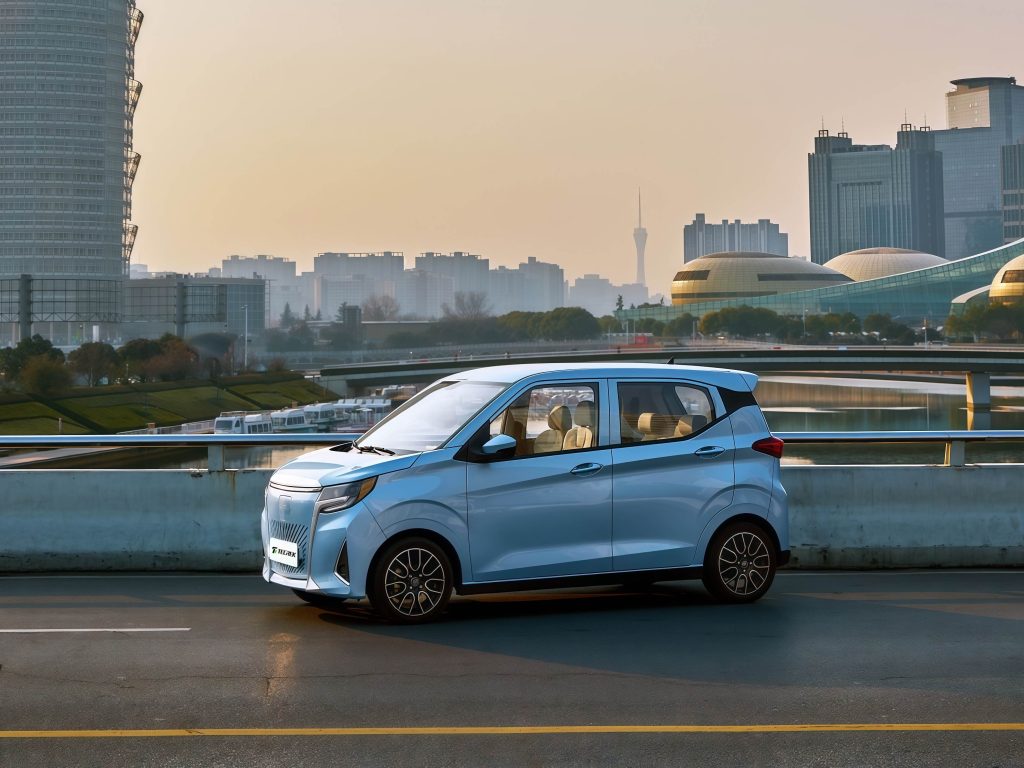
ประเด็นสำคัญ
- ระยะทางการวิ่งจริงของรถยนต์ไฟฟ้าขนาดเล็กนั้นขึ้นอยู่กับความเร็ว น้ำหนักบรรทุก อุณหภูมิ สภาพภูมิประเทศ และน้ำหนักบรรทุกเสริม
- ความเหมาะสมของยานพาหนะเริ่มต้นจากการพิจารณาระยะทางของเส้นทาง การเข้าถึงจุดชาร์จไฟ กฎระเบียบการจอดรถ และความครอบคลุมของบริการ
- บันทึกผลการทดสอบเส้นทางที่เป็นตัวแทนแทนที่จะพึ่งพาตัวเลขช่วงการทดสอบในห้องปฏิบัติการเพียงค่าเดียว
รูปทรงของระบบกันสะเทือนที่ออกแบบมาเพื่อมอบความสบายอย่างแท้จริงในเมือง
การขับรถในเมืองทำให้เกิดแรงกระแทกเล็กๆ อยู่ตลอดเวลา แม้ว่าถนนเรียบๆ อาจมอบประสบการณ์การขับขี่ที่สมบูรณ์แบบสำหรับรถยนต์คันใหม่ แต่การผ่านทางแยก เนินชะลอความเร็ว พื้นผิวถนนที่ชำรุด และโค้งหักศอกต่างๆ ล้วนสามารถทำให้ระบบช่วงล่างของรถสึกหรอได้ ในที่นี้เราจะมาดูรูปทรงเรขาคณิตของระบบช่วงล่างและผลกระทบที่มีต่อล้อ ตัวถังรถ และห้องโดยสาร
ผู้ขับขี่ระยะสั้นจะสังเกตเห็นสิ่งนี้ได้เร็วกว่าที่คิด พนักงานส่งของ ผู้ใช้บริการรถรับส่งชุมชน และผู้เดินทางในเมืองมักขึ้นลงรถหลายครั้งต่อวัน ระบบกันสะเทือนที่ช่วยลดแรงกระแทกไม่เพียงแต่ช่วยรักษาความสบายเท่านั้น แต่ยังช่วยให้ควบคุมรถได้ง่ายขึ้นเมื่อบรรทุกของหนักหรือเมื่อพื้นผิวถนนไม่เรียบอีกด้วย
การขับขี่ที่นุ่มนวลไม่เหมือนกับการขับขี่ที่หลวมเกินไป
รถบางคันอาจให้ความรู้สึกนุ่มนวลในตอนแรก แต่จะเริ่มกระเด้งมากเกินไปเมื่อถนนขรุขระ ส่วนรถบางคันอาจให้ความรู้สึกแข็งแต่ควบคุมได้ดี การเลือกที่เหมาะสมขึ้นอยู่กับการใช้งานที่ต้องการ รถยนต์ไฟฟ้าขนาดเล็กสำหรับใช้ในเมืองหรือการเดินทางร่วมกันอาจต้องการการควบคุมตัวถังที่มั่นคงกว่า ในขณะที่รถยนต์สำหรับใช้ในชุมชนความเร็วต่ำอาจให้ความสำคัญกับการขึ้นลงรถที่ง่ายและการเคลื่อนไหวที่ผ่อนคลาย ผู้ซื้อควรทดสอบพฤติกรรมของรถขณะขับด้วยความเร็วสูง ขณะเบรก และขณะเลี้ยวภายใต้น้ำหนักบรรทุก
รัศมีวงเลี้ยวมีความสำคัญมากกว่าความเร็วสูงสุดในถนนที่มีการจราจรหนาแน่น
รัศมีวงเลี้ยวที่แคบมีประโยชน์ในพื้นที่จอดรถ ในมหาวิทยาลัย ในพื้นที่ชุมชน และใจกลางเมืองเก่า ยิ่งรถต้องหมุนพวงมาลัยน้อยลงขณะเลี้ยว ก็ยิ่งช่วยประหยัดเวลาในการทำกิจวัตรประจำวันได้มากขึ้น ข้อดีนี้ไม่เพียงแต่มีประโยชน์ต่อผู้ขับขี่เท่านั้น แต่ยังรวมถึงผู้ประกอบการขนส่งด้วย ในกรณีของพวกเขา การสัญจรที่รวดเร็วขึ้นในพื้นที่จอดรถ ผ่านถนนในมหาวิทยาลัย และผ่านช่องทางความเร็วต่ำในเขตเมืองมีความสำคัญและจำเป็นต้องเพิ่มขึ้น
ควรตรวจสอบเรขาคณิตของระบบบังคับเลี้ยวโดยคำนึงถึงเส้นทางจริงของโครงการ รถขนาดกะทัดรัดที่ใช้สำหรับการขนส่งในถนนแคบๆ ต้องการการควบคุมที่แตกต่างจากรถขนาดเล็กที่ใช้ในชุมชนส่วนตัวหรือสวนท่องเที่ยว ข้อกำหนดที่เหมาะสมขึ้นอยู่กับเส้นทาง ไม่ใช่แค่ฉลากสินค้าในตลาดเท่านั้น
พื้นที่ภายในห้องโดยสารควรยังคงใช้งานได้หลังจากบรรจุหีบห่อเพื่อความปลอดภัยแล้ว
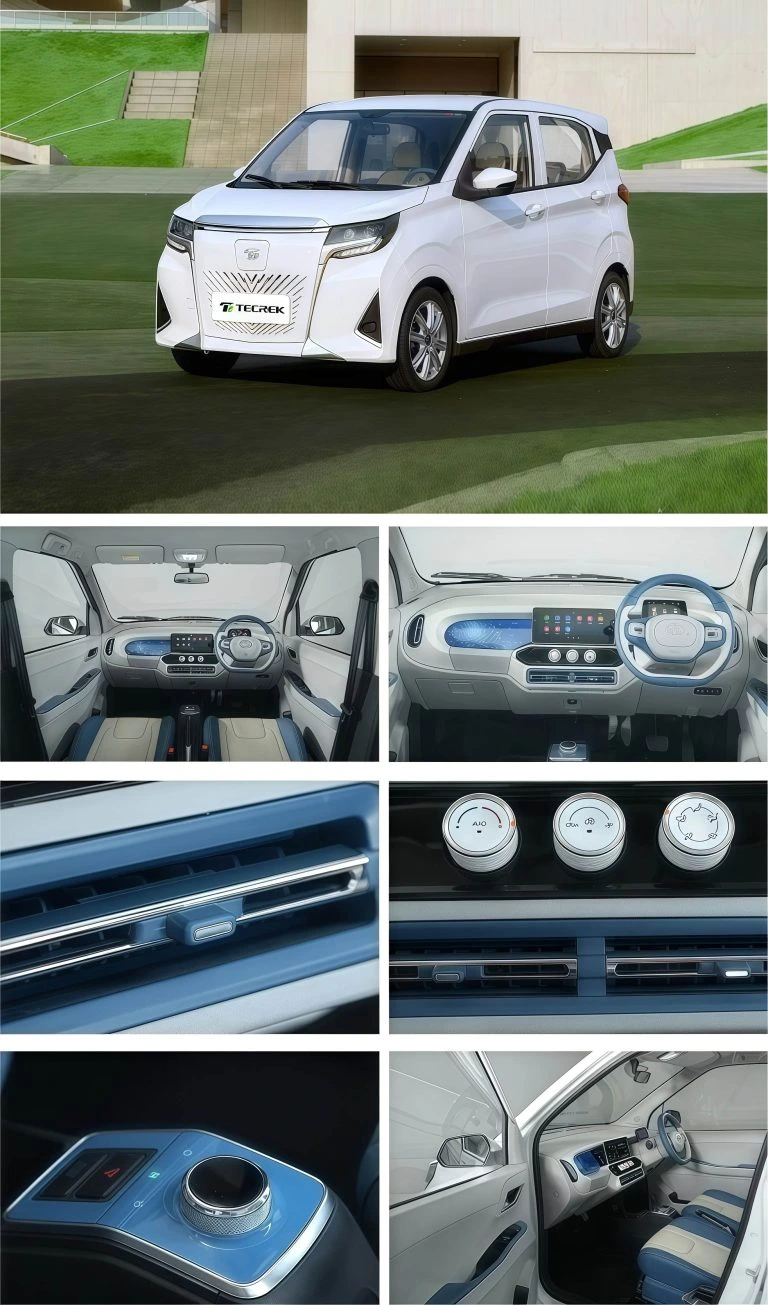
รถยนต์ไฟฟ้าขนาดกะทัดรัดมีพื้นที่จำกัด ดังนั้นทุกการเลือกโครงสร้างจึงส่งผลต่อการใช้งานในชีวิตประจำวัน แบตเตอรี่ การจัดวางมอเตอร์ การเสริมความแข็งแรงเพื่อความปลอดภัย รูปทรงของแผงหน้าปัด รางเลื่อนเบาะ พื้นที่เก็บของ และช่องเปิดประตู ล้วนแย่งชิงพื้นที่กัน การออกแบบที่ดีที่สุดคือการออกแบบให้เข้าออกห้องโดยสารได้ง่าย ในขณะเดียวกันก็ให้พื้นที่เพียงพอสำหรับผู้ขับขี่และผู้โดยสารในการนั่งอย่างเป็นธรรมชาติ
ด้วยเหตุนี้ พื้นที่เก็บสัมภาระ ระยะห่างระหว่างเข่า พื้นที่ไหล่ และพื้นที่เหนือศีรษะ จึงควรวัดจากการใช้งานจริง ไม่ใช่คาดเดาจากรูปทรงภายนอก สำหรับผู้ซื้อที่เปรียบเทียบรุ่นต่างๆ คำถามไม่ได้อยู่ที่ว่ารถดูเล็กหรือไม่ แต่ขึ้นอยู่กับว่าภายในยังใช้งานได้ดีอยู่หรือไม่หลังจากติดตั้งแบตเตอรี่และระบบความปลอดภัยแล้ว
รถยนต์ขนาดเล็กต้องการการวางแผนพื้นที่อย่างรอบคอบ
ถ้าฐานที่นั่งสูงเกินไป พื้นที่วางขาด้านหลังก็จะหายไป ถ้าแผงหน้าปัดลึกเกินไป แถวหน้าก็จะรู้สึกอึดอัด ถ้าอุโมงค์แบตเตอรี่กินพื้นที่มากเกินไป ส่วนตรงกลางก็จะดูไม่สะดวกสบาย การออกแบบรถยนต์ไฟฟ้าขนาดกะทัดรัดจะได้ผลดีที่สุดเมื่อทุกเซนติเมตรมีเหตุผลรองรับ
การจัดวางแบตเตอรี่และตำแหน่งมอเตอร์ส่งผลต่อความสมดุลในชีวิตประจำวัน
แบตเตอรี่ไม่ได้มีแค่หน้าที่ให้ระยะทางในการขับขี่เท่านั้น ตำแหน่งของแบตเตอรี่ส่งผลต่อจุดศูนย์ถ่วง ความรู้สึกในการเร่งความเร็ว ความเสถียรในการเบรก และความสมดุลในการเข้าโค้ง ตำแหน่งของมอเตอร์ก็มีความสำคัญเช่นกัน เพราะมันมีผลต่อการออกตัวจากจุดหยุดนิ่งและการกระจายน้ำหนักอย่างสม่ำเสมอ
ในรถยนต์สำหรับใช้งานในเมือง ความสมดุลอาจมีความสำคัญมากกว่ากำลังสูงสุด รถยนต์ไฟฟ้าขนาดเล็กที่มีความสมดุลดีจะให้ความรู้สึกสงบแก่ผู้ขับขี่เมื่อเริ่มออกตัว หยุด เลี้ยว และถอยหลังในสภาพการจราจร ความรู้สึกนั้นช่วยลดความเหนื่อยล้าในการใช้งานประจำวันและทำให้ไว้วางใจรถยนต์ได้ง่ายขึ้นสำหรับการใช้งานในกลุ่มธุรกิจขนส่ง
คำถามเกี่ยวกับความทนทานควรเริ่มต้นจากโครงสร้างและวัสดุที่ใช้
รถยนต์ไฟฟ้าขนาดกะทัดรัดใช้เวลาส่วนใหญ่ในสภาพการจราจร การจอดรถ และการเดินทางระยะสั้นซ้ำๆ นั่นหมายความว่าโครงสร้าง ตัวถัง ข้อต่อช่วงล่าง การป้องกันทางไฟฟ้า สี และการตรวจสอบคุณภาพล้วนมีความสำคัญ ผู้ซื้อควรสอบถามเกี่ยวกับวิธีการผลิตรถยนต์ วิธีการตรวจสอบชิ้นส่วน และวิธีการที่ผู้จำหน่ายจัดการกับการบริการหลังการขาย
ซานดอง TaiRui บริษัทนี้มีประวัติการพัฒนามายาวนานตั้งแต่ปี 2003 ได้รับการรับรองเป็นศูนย์เทคโนโลยีของเทศบาลในปี 2010 และก่อตั้งโรงงานใหม่สองแห่งในปี 2024 ความสำเร็จเหล่านี้มีความสำคัญ เพราะผู้ซื้อรถยนต์ต้องการความมั่นใจในศักยภาพการพัฒนาและการสนับสนุนการผลิต ไม่ใช่แค่เพียงตัวอย่างที่สวยงามเพียงชิ้นเดียว หน้าเกี่ยวกับเราและหน้าความสามารถด้านการวิจัยและพัฒนาจะช่วยให้ผู้ซื้อเห็นว่าบริษัทมีแนวทางในการทำงานกับผลิตภัณฑ์อย่างไร
สิ่งที่ผู้ซื้อควรตรวจสอบก่อนขอใบเสนอราคา
การขอใบเสนอราคาที่ดีควรระบุถึงสภาพถนน การใช้งานสำหรับผู้โดยสารหรือขนส่งสินค้า ระยะทางการขับขี่ที่ต้องการ ข้อจำกัดเรื่องพื้นที่จอดรถ การตั้งค่าการชาร์จ และระยะทางที่คาดว่าจะใช้งานต่อวัน หากผู้ซื้อถามเพียงแค่ราคา คำตอบจะไม่สมบูรณ์ หากผู้ซื้อบอกถึงงานจริงที่รถต้องทำ คำแนะนำก็จะมีความสมจริงมากขึ้น
การทดลองขับระยะสั้นควรครอบคลุมถึงการออกตัว การเบรก การเลี้ยวช้าๆ และการถอยหลัง การเคลื่อนไหวเหล่านี้มีความสำคัญที่สุดในการใช้งานในเมือง หากรถขับง่าย เข้าเลนง่าย จอดง่าย และมีความเสถียรเมื่อมีผู้โดยสารอยู่บนรถ การออกแบบก็ถือว่าทำหน้าที่ได้ดีแล้ว
- ตรวจสอบรัศมีวงเลี้ยวและแรงในการบังคับพวงมาลัยในสภาพแวดล้อมการใช้งานจริง
- ตรวจสอบความสบายของระบบกันสะเทือนบนพื้นผิวถนนขรุขระและเนินชะลอความเร็วซ้ำๆ
- วัดขนาดพื้นที่ภายในห้องโดยสารโดยปรับตำแหน่งที่นั่งให้ตรงกับความต้องการของผู้ใช้งาน
- สอบถามว่าการจัดวางแบตเตอรี่ส่งผลต่อความสมดุลและการใช้งานพื้นที่เก็บสัมภาระอย่างไร
- ตรวจสอบคุณภาพ การรับประกัน และความสม่ำเสมอในการผลิต
หน้าข้อมูลธุรกิจหลักจะช่วยให้ผู้ซื้อเข้าใจขอบเขตของผลิตภัณฑ์ ในขณะที่หน้าการรับประกันคุณภาพมีประโยชน์สำหรับคำถามเกี่ยวกับความทนทานและการตรวจสอบ ในการซื้อรถยนต์ไฟฟ้าขนาดกะทัดรัด การตัดสินใจที่ดีที่สุดมักจะเลือกยานพาหนะที่สามารถขับขี่ในเมืองได้อย่างสะดวกสบายและใช้งานง่ายในชีวิตประจำวัน
| คำถามเกี่ยวกับกองเรือ | รถยนต์ไฟฟ้าขนาดเล็ก | รถยนต์คอมแพคทั่วไป | วัดขนาดก่อนสั่งซื้อ |
| เส้นทางที่เหมาะสม | เส้นทางในเมืองและในมหาวิทยาลัยที่สั้น | ใช้งานต่อเนื่องนานขึ้นหรือด้วยความเร็วสูงขึ้น | เส้นทางตัวแทนทดสอบ |
| พลังงาน | แบตเตอรี่ (กิโลวัตต์ชั่วโมง) และช่วงเวลาการชาร์จ | ระบบเชื้อเพลิงหรือแบตเตอรี่ขนาดใหญ่ | รวมถึงน้ำหนักบรรทุกและระบบปรับอากาศ |
| ทนทานต่อการใช้งานในกองยานพาหนะ | ระยะการใช้งาน บริการ ความปลอดภัย | รูปแบบการบำรุงรักษาที่มีอยู่ | ตรวจสอบรอบการทำงานทั้งหมด |
คำถามที่พบบ่อย
เหตุใดรูปทรงของระบบกันสะเทือนจึงมีความสำคัญในรถยนต์ไฟฟ้าขนาดกะทัดรัดสำหรับใช้งานในเมือง?
มันส่งผลต่อความสบาย การควบคุมตัวถัง และวิธีการที่รถรับมือกับหลุมบ่อ การเข้าโค้ง และการขับขี่แบบหยุดๆ ไปๆ มาๆ ซ้ำๆ
คุณลักษณะการควบคุมรถที่สำคัญที่สุดสำหรับการขับขี่ในเมืองคืออะไร?
รัศมีวงเลี้ยวที่แคบมักเป็นคุณสมบัติที่มีประโยชน์มากที่สุดอย่างหนึ่ง เพราะช่วยได้มากในถนนแคบๆ ลานจอดรถ และเส้นทางในเมืองที่มีการจราจรหนาแน่น
ผลิตภัณฑ์ประเภทใดของ ShanDong TaiRui ที่เหมาะกับโครงการคมนาคมในเมืองขนาดกะทัดรัด? หมวดหมู่รถยนต์ไฟฟ้าสำหรับใช้ในเมืองเป็นจุดเริ่มต้นที่เหมาะสมที่สุดสำหรับผู้ซื้อที่เปรียบเทียบรถยนต์ไฟฟ้าขนาดเล็กสำหรับการเดินทางในชีวิตประจำวัน การใช้งานในกลุ่มธุรกิจ และเส้นทางบริการระยะสั้น การวางแผนการสัญจรในเมืองก็ได้รับประโยชน์จากการทบทวนหมวดหมู่นี้เช่นกัน กฎระเบียบเกี่ยวกับรถยนต์ไฟฟ้าความเร็วต่ำโดยเฉพาะอย่างยิ่งในกรณีที่ความเร็วของเส้นทาง กฎระเบียบท้องถิ่น และการใช้งานยานพาหนะระยะสั้น มีผลต่อการเลือกรูปแบบการเดินทาง การวางแผนการสัญจรในเมืองยังได้รับประโยชน์จากการทบทวนเรื่องนี้ด้วย การใช้รถยนต์ไฟฟ้าในระยะทางสั้นโดยเฉพาะอย่างยิ่งในกรณีที่ความเร็วของเส้นทาง กฎท้องถิ่น และการขนส่งระยะสั้นใช้การเลือกรูปแบบรูปทรงของรถโดยสาร