
I. คํานิยามหลักและมูลค่ามาโคร ("ทำไม")
อะไร ยานพาหนะไฟฟ้า สถาปัตยกรรมแพลตฟอร์มหมายความว่า
คำว่า “ สถาปัตยกรรมแพลตฟอร์มยานพาหนะไฟฟ้า” เป็นมากกว่าเพียงแค่คำว่าเทคนิคที่ทันสมัย มันอธิบายกรอบวิศวกรรมพื้นฐานที่ยานพาหนะไฟฟ้าที่ทันสมัย (EVs), ยานพาหนะไฟฟ้าบริสุทธิ์ (BE รถไฟฟ้า แพลตฟอร์มไม่ใช่เพียงแค่ชุดส่วนประกอบ มันยังกําหนดประสิทธิภาพของยานพาหนะทั้งหมดในแง่ของความปลอดภัย ประสิทธิภาพ ความสามารถในการขยาย และประสบการณ์ของผู้ใช้
โดยหลักแล้ว รถไฟฟ้า สถาปัตยกรรมแพลตฟอร์มกําหนดความแข็งแรงของโครงสร้าง ความต้านทานต่อการชน การกระจายน้ำหนัก การจัดการความร้อน การบูรณาการระบบพลังงาน และแม้กระทั่งการสร ผู้ผลิตรถยนต์ชั้นนำ (เช่น แพลตฟอร์ม SSP ของ Volkswagen หรือแพลตฟอร์ม GEA / SEA ของ Geely) ได้ออกแบบสถาปัตยกรรมแบบโมดูล ที่ช่วยให้พวกเขาสามารถใช้ได้อย่างยืดหยุ่นในประเภทยานพาหนะต่างๆ (จากรถไฟฟ้าในเมืองขนาดกะทัดรัดจนถึง SUV ขนาดใหญ่) ในขณะที่เพิ่มประสิทธ
ผลกระทบต่อประสบการณ์ผู้ใช้และไดนามิกอุตสาหกรรม
ออกแบบได้ดี ยานพาหนะไฟฟ้า สถาปัตยกรรมแพลตฟอร์มมีอิทธิพลโดยตรง:
ความปลอดภัย - ความแข็งแรงของโครงสร้างและการดูดซึมพลังงานในการชนกัน
ประสิทธิภาพ การปรับปรุงน้ำหนักสําหรับช่วงและการจัดการ
ประสิทธิภาพต้นทุน สถาปัตยกรรมที่ใช้ร่วมกันลดเวลาการพัฒนาและความซับซ้อนของชิ้นส่วน
การปรับปรุง แพลตฟอร์มแบบโมดูลสามารถใช้ซอฟต์แวร์, แบตเตอรี่ หรือระบบการขับรถอัตโนมัติที่ปรับปรุงได้
สําหรับ OEM และผู้จัดจำหน่ายชั้นเดียวกัน ความคิดสถาปัตยกรรมนี้เปลี่ยนความสนใจของผลิตภัณฑ์จากชิ้นฮาร์ดแวร์แต่ละชิ้น ไปยังมูลค่าระบบทั้งหมด
ที่สอง การแตกต่างของเทคโนโลยีหลายมิติ ("อะไร")
ขนาดหลักของสถาปัตยกรรมแพลตฟอร์ม EV
การเข้าใจสถาปัตยกรรมแพลตฟอร์มต้องดูสามมิติสำคัญ:
-
- วัสดุโครงสร้างและ การออกแบบ
เหล็กและอลูมิเนียมที่มีความแข็งแรงสูงช่วยเพิ่มน้ำหนักในขณะที่รักษาความปลอดภัยจากการชน แพลตฟอร์มที่ก้าวหน้าบางครั้งรวมวัสดุคอมโพสิตเพื่อเพิ่มความแข็งแรงโดยไม่ต้องลงโทษมากมาย - แบตเตอรี่และแอมป์ การรวมพลังงาน
สถาปัตยกรรมแพลตฟอร์มกําหนดให้วางแบตเตอรี่อยู่ที่ไหน (เช่น การวางแผนสเก็ตบอร์ดใต้พื้น) เพื่อปรับปรุงศูนย์แรงโน้มถ่วงและประสิทธิ ระบบควบคุมความร้อนมีอิทธิพลต่อช่วงและอายุการใช้งานยาวนาน - ซอฟต์แวร์และแอมป์ กระดูกสันหลังอิเล็กทรอนิกส์
สถาปัตยกรรมที่ทันสมัยรวมถึงระบบอิเล็กทรอนิกส์ / ไฟฟ้าที่รวมกันที่สร้างสะพานหน่วยควบคุมยานพาหนะ, เซนเซอร์ และช่วยขับรถ - หลักการที่แสดงโดยแพลตฟอร์มเช่น
- วัสดุโครงสร้างและ การออกแบบ
การเปรียบเทียบเส้นทางเทคโนโลยี
ไม่ใช่แพลตฟอร์มไฟฟ้าทั้งหมดเท่ากัน ตัวอย่างเช่น:
ทุ่มเทอ BEV แพลตฟอร์มถูกสร้างขึ้นจากพื้นดินเพื่อการใช้ไฟฟ้า
แพลตฟอร์ม ICE ที่ปรับแต่งปรับเปลี่ยนยานพาหนะทั่วไป มักจะมีการบรรจุภัณฑ์และการกระจายน้ำหนักที่เสียหาย
แรกมักจะบรรลุการจัดการ ระยะและความสามารถในการขยายที่ดีขึ้น
III. จุดปวดอุตสาหกรรมและความตึงเครียดหลัก ("ความขัดแย้ง")
เป้าหมายวิศวกรรมที่ขัดแย้ง
ทีมวิศวกรรมต่อสู้อย่างต่อเนื่อง:
น้ำหนักเทียบกับความปลอดภัย วัสดุที่เบามักจะมีค่าใช้จ่ายมากขึ้นหรือท้าทายความสมบูรณ์แบบของโครงสร้าง
ค่าใช้จ่ายเทียบกับประสิทธิภาพ แบตเตอรี่และระบบคอมพิวเตอร์ระดับสูงขึ้นทั้งฟังก์ชั่นและราคา
ความยืดหยุ่นในการออกแบบเทียบกับความเรียบง่ายในการผลิต การออกแบบที่มีโมดูลสูงสามารถทำให้การผลิตง่ายขึ้น แต่การตรวจสอบความซับซ้อน
ความวิตกกังวลของผู้ใช้จริง
ผู้บริโภคกังวลเกี่ยวกับความกังวลระยะทาง โครงสร้างพื้นฐานการชาร์จ และความทนทานในระยะยาว
ที่ 4. วิธีการพัฒนาของ Tairui (“โซลูชั่น”)
ปรัชญากลยุทธ์ที่ไม่ซ้ำกันของ Tairui
Tairui ยอมรับปรัชญาของการใช้สถาปัตยกรรมที่ฉลาด, การผสมผสานวัสดุที่เหมาะสมที่สุด, การตั้งค่าแบบขับเคลื่อนที่สามารถขยายได้, และประสิทธิภาพการผลิตเพื่อส่งยานพาห
ไม่เหมือนกับผู้จัดจำหน่ายชิ้นส่วนที่มีไซโล Tairui สร้างยานพาหนะที่สมบูรณ์และแพลตฟอร์มแบบบูรณาการ รับประกันความสมบูรณ์แบบของโครงสร้าง การใช้พลัง
การดําเนินการในทางปฏิบัติ
พอร์ตโฟลิโอของ Tairui แสดงให้เห็นว่าการตัดสินใจทางสถาปัตยกรรมที่ปฏิบัติการให้ข้อดีจริง:
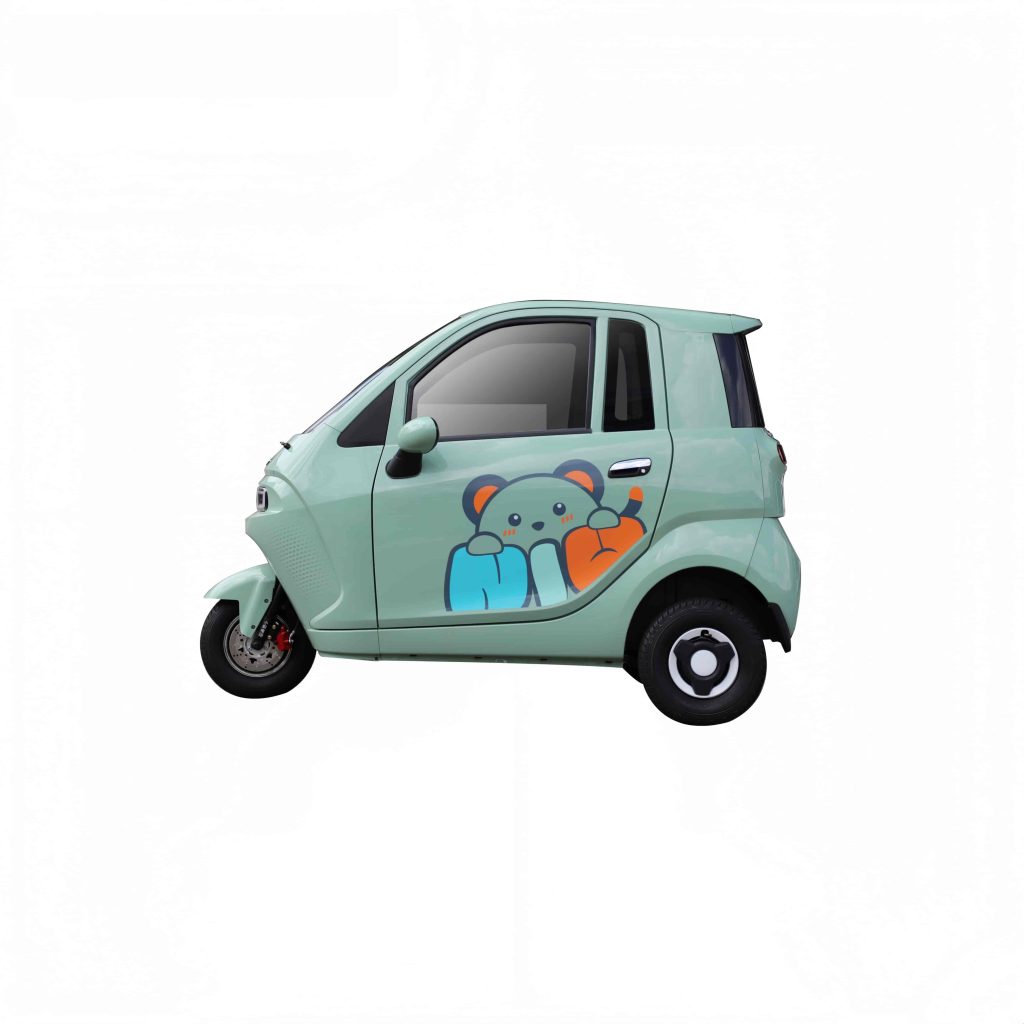
รายการรถไฟฟ้าเมืองแบบโมดูล – ยานพาหนะไฟฟ้าในเมืองที่กะทัดรัด มีร่างกายเบาและระบบพลังงานที่มีประสิทธิภาพ ได้รับการออกแบบโดยเฉพาะสําหรับการขนส่งในเมือง และเหมาะ
โซลูชั่นรถยนต์ที่กำหนดเอง – จากการออกแบบแนวคิดจนถึงการผลิตขนาดใหญ่เราให้บริการ ยานพาหนะที่สมบูรณ์แบบที่กำหนดเอง การออกแบบและการประกอบเพื่อตอบสนองความต้องการที่หลากหลายของตลาดที่แตกต่างกันทั่วโลก
พาณิชย์เบา รถไฟฟ้า แพลตฟอร์ม – รถพาณิชย์ไฟฟ้าเบาที่ออกแบบมาเป็นพิเศษสําหรับการจัดส่งไมล์สุดท้ายหรือโลจิสติกส์ในเมือง พร้อมตัวเลือกการโหลดที่ยืดหยุ่
กรณีปฏิบัติเหล่านี้เสริมสร้างวิธีการที่ความเข้มงวดของสถาปัตยกรรมแปลเป็นประสิทธิภาพของยานพาหนะและมูลค่าทางธุรกิ
V. คุณค่าทางการค้าและความมุ่งมั่นในการให้บริการ ("ประโยชน์")
มูลค่าตลอดอายุการใช้งาน และต้นทุนรวมในการเป็นเจ้าของที่ต่ำกว่า
ยานพาหนะที่สร้างขึ้นอย่างมีประสิทธิภาพ ยานพาหนะไฟฟ้า สถาปัตยกรรมแพลตฟอร์มมักจะมี:
เนื่องจากระบบย่อยกลน้อยกว่า งานบำรุงรักษาง่ายกว่ามาก
เนื่องจากส่วนประกอบแบบโมดูลสามารถปรับปรุงหรือเปลี่ยนได้ อายุการใช้งานของพวกเขาจะยาวนาน
ผ่านการออกแบบที่ประหยัดพลังงาน ค่าใช้จ่ายในการดําเนินงานต่ำกว่า
ไทรุย เน้นคุณค่าเต็มวงจร ตั้งแต่การออกแบบแรกจนถึงการสนับสนุนตลาดหลัง
กำหนดเอง ODM / OEM ความสามารถ
Tairui ให้บริการปรับแต่งสำหรับตลาดโลก รวมถึงสภาพอากาศที่แตกต่างกัน สภาพแวดล้อมของกฎหมาย และความชอบของผู้ใช้ สนับสนุนการตั้งค่าไดรฟ์ขวาและซ้ายและการปรับแต่
VI. สรุปและ เรียกร้องให้ดำเนินการ
โดยสรุปแล้ว สถาปัตยกรรมแพลตฟอร์มยานพาหนะไฟฟ้าไม่เพียง แต่กําหนดวิธีการผลิตยานพาหนะไฟฟ้า แต่ยังกําหนดประสิทธิภาพ ความสามารถในการขยาย ด้วย Tairui’ ความสามารถที่ครอบคลุม– จากการออกแบบและการผลิตรถยนต์ไฟฟ้าไปจนถึงการผลิตรถยนต์ที่สมบูรณ์แบบและโซลูชั่นที่กำหนดเอง – คู่ค้าสามารถนวัตกรรมและแข่งขันในตลาดโลกได้อย่างมั่นใจ
ไม่ว่าจะเป็นการเริ่มต้นหรือผู้ผลิตรถยนต์ที่ใหญ่ที่สำรวจการเคลื่อนที่ไฟฟ้าร่วมมือกับ Tairui’ ความเชี่ยวชาญในแพลตฟอร์มแบบครบวงจรสามารถปล่อยศักยภาพของเทคโนโลยีและธุรกิจ
ที่ 7 คำถามที่พบบ่อย: การชี้แจงอย่างรวดเร็ว
Q: ทำไมสถาปัตยกรรมแพลตฟอร์มจึงสำคัญมากสําหรับช่วง EV?
ตอบ: เพราะการวางและการออกแบบความร้อนของระบบแบตเตอรี่ การตัดสินใจสถาปัตยกรรมพื้นฐาน มีอิทธิพลมากต่อช่วงที่ใช้ได้และอายุยาว
Q: Tairui สนับสนุนตลาดโลกที่หลากหลายได้อย่างไร?
ตอบ: ผ่านแพลตฟอร์มยานพาหนะที่สามารถปรับแต่งได้ การปรับให้เข้ากับมาตรฐานท้องถิ่น และขนาดการผลิตที่ยืดหยุ่น
Q: สถาปัตยกรรมรถยนต์ทั่วไปสามารถตรงกับแพลตฟอร์ม EV ที่เฉพาะได้หรือไม่?
ตอบ: โดยทั่วไปไม่มี สถาปัตยกรรมที่เฉพาะทําให้การใช้พื้นที่ที่ดีขึ้น ความสมดุลของโครงสร้าง และการบูรณาการระบบ