
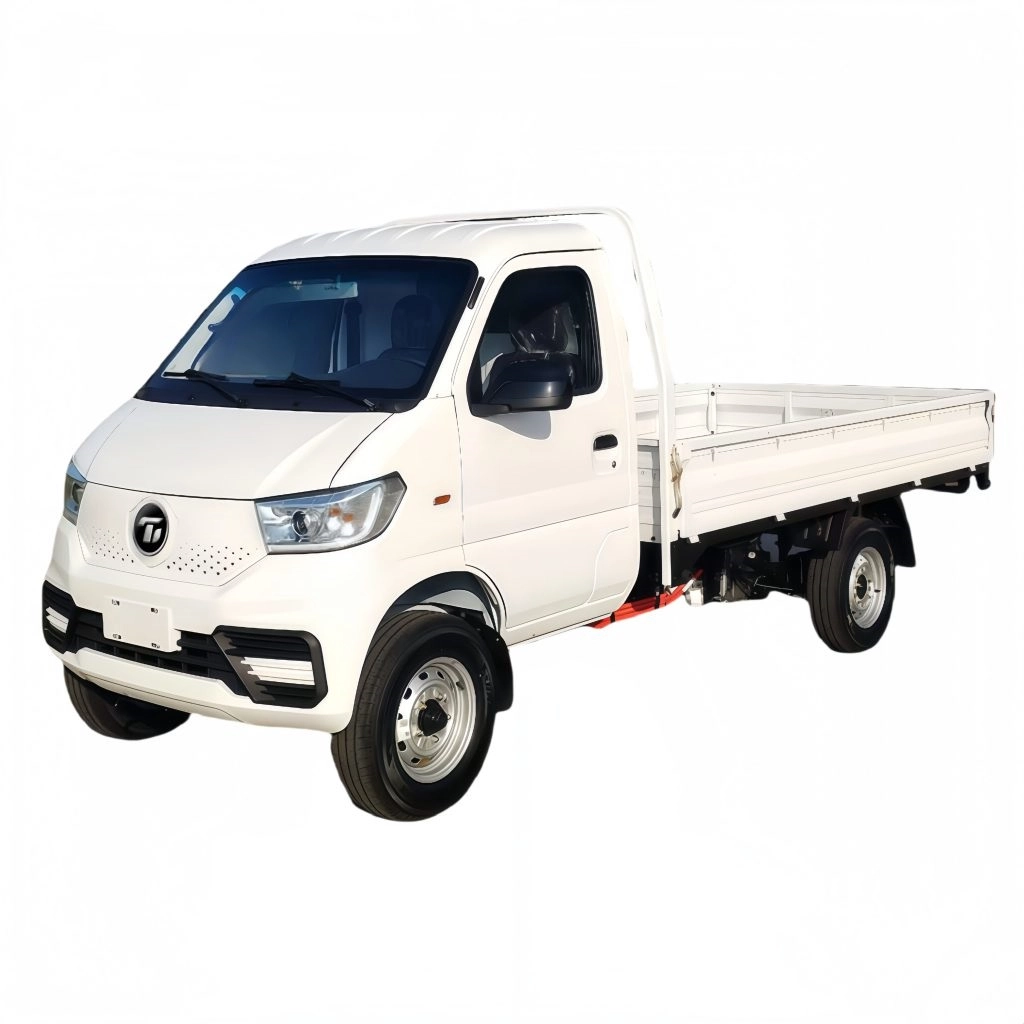
The world of moving goods is changing fast under your tires. If you run a group of small work trucks, you probably sense the weight of climbing gas prices and stricter town rules. The year 2026 does not stand as just one more mark on the date; it marks a firm line between old gas-powered hauling and the fresh time of strong electric delivery work. This change goes beyond green dreams now; it ties straight to keeping your shipping profits safe and your legal pass to city spots.
With worldwide chains for supplies getting tighter, keeping in front means more than fixing things as they break. It calls for a planned turn in direction. ShanDong TaiRui sees this need for quick action, offering the special parts you require to change these rule walls into a clear edge over others in the field.
The 2026 Regulatory “Perfect Storm”
Right now, you face a mix of world rules that set 2026 as the key end date for updating your truck group. In places like Europe, new tough limits on gases hit not only smoke from the tailpipe but also bits from brakes and wheels. At the same time, in areas of Southeast Asia, nations such as Thailand and Indonesia speed up their plans for “Green Logistics.” By 2026, lots of big city hubs will move from areas with low gas output to spots with no gas at all (ZEZ).
If your truck set still uses diesel small haulers, you might see your rides blocked from the main town hearts where your best money deals sit. To get through these spots, you need a machine made for what comes next. For example, the รถบรรทุกขนาดเล็กไฟฟ้าสมาร์ท gets built right to fit these very tight city entry needs. It lets you keep full access day and night to closed areas while those against you must stop at town edges and hand off their final stretch to groups ready for electric work.
The link between rules and machine parts shows plainly: as leaders pull harder on gas waste, only electric bases made on purpose will give you the work freedom needed to finish deals without stops.
Economic Reality: The TCO Flip
Past worries about fees and blocks sits a strong money case. By 2026, the full cost to own (TCO) for electric small work trucks should drop under that of gas engine (ICE) ones for good. This turn comes from three main points: higher fees on diesel gas waste, falling prices for lithium-iron-phosphate (LFP) power packs, and much less care work for electric drive systems.
When you run an electric truck group, you cut out hundreds of moving pieces in a usual motor. No need to swap oil screens, no belts for time to break, and no hard systems to clean exhaust that quit working. This leads to about a 60% drop in planned care costs. For a group used a lot, these cuts add right to your main profits.
Picking ShanDong TaiRui means putting money into a base where saving power ranks first. By going electric today, you fix in lower power costs per road mile, guarding your shop from ups and downs in world oil trade. This steady money outlook forms the base of a sound delivery setup in the time after 2026.
Precision Solutions for 2026 Logistics
Plain trucks no longer work in a field that needs special fits. Your buyers want exact work, above all in areas like cold storage hauling where even a small change in heat of two degrees can mean losing all goods. Here, mixing smart tech with electric power makes a better item overall.
The Cold Chain Revolution
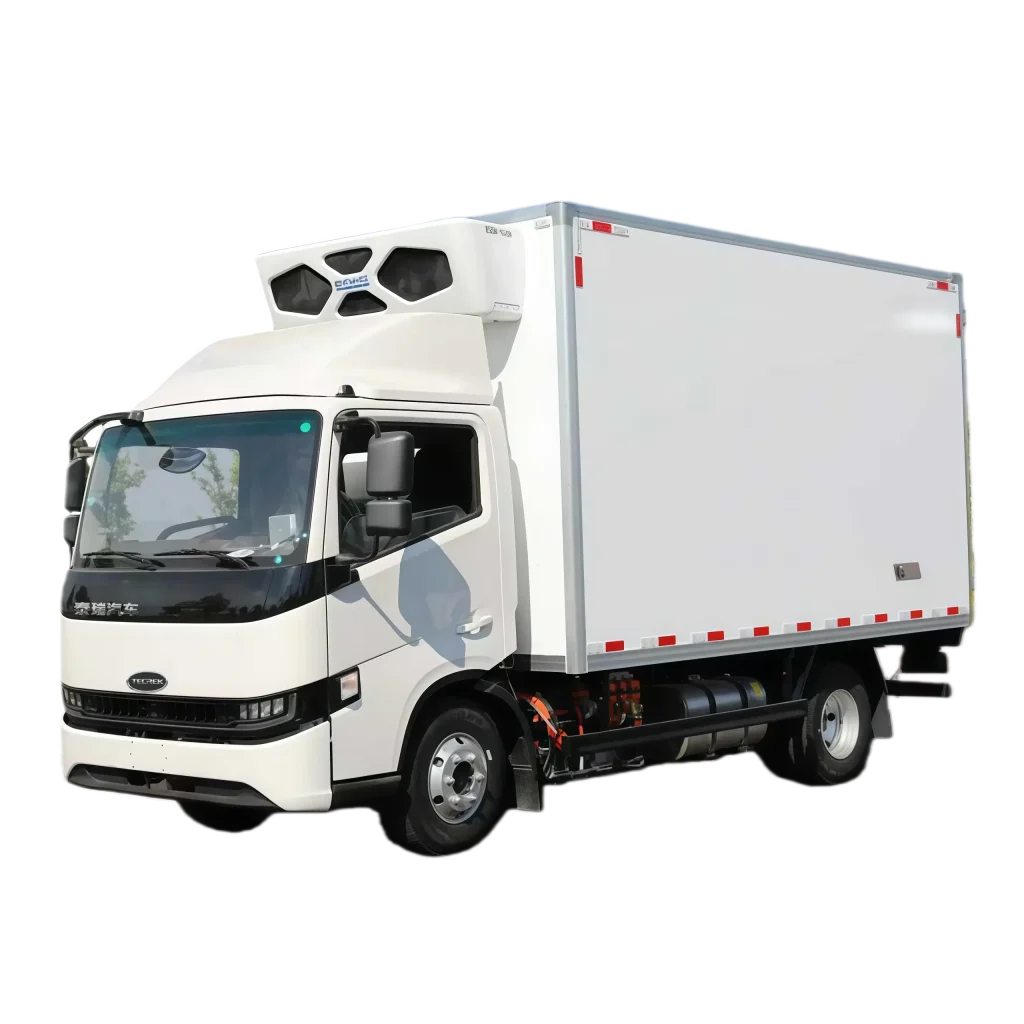
For workers in food, drinks, or drug fields, the รถบรรทุกตู้เย็นไฟฟ้าสำหรับการใช้งานทางการค้า gives a level of hold that gas haulers fail to reach. Old cooling units depend on the truck motor to run the chill part, which wastes power and makes noise when sitting still. On the other hand, an electric cooling truck draws from a separate big battery setup.
- Silent Operation: You can do early day or late night hauls in home areas without breaking sound rules.
- Constant Cooling: The chill unit keeps a steady heat level even when the truck sits in thick traffic, making sure your short-life items stay good.
- Reduced Vibrations: Electric motors give a smoother path, which matters a lot for moving soft medical goods or top tech items.
The Last-Mile Specialist
Work rate in town gets judged by quick moves and steady run time. The small size of new electric haulers lets your drivers weave slim paths and full docks without hassle. By using smart brake recovery, these trucks gain back power in the common halt and go of city hauls. This makes sure your “Smart electric mini truck” runs longer on the road, raising the count of stops per work time without a middle day power up.
Smart Fleet Management and Connectivity
The year 2026 also brings the time when “big data” turns into a normal tool for small to middle truck runners. New electric trucks act like moving computers. Every ShanDong TaiRui truck comes with tracking tools that give you a full view from above of your work.
You can check battery state, follow truck spots live, and study driver ways to better use power. This link lets you do “guess ahead care”—spotting a part that might fail before it does. Instead of a truck stopping on a full road, you get a warning to bring it for a fast look, saving you lots in quick pull fees and lost work time.
This step by step move from parts to programs makes sure your truck group does not just shift items but also makes the facts needed to sharpen your shop plan and raise your help quality.
Beyond the Vehicle: The Service Ecosystem
Getting a truck counts as only the first move. To do well in the electric change, you need a teammate that backs you through the full life of the truck. ShanDong TaiRui gets that going electric brings a big learn slope for your drivers and fix workers.
We give full backing that reaches past the buy:
- Infrastructure Consulting: We aid you in picking the best power setup for your base to make sure your trucks always stand ready for the day start.
- SKD/CKD Options: For partners across borders, we offer Semi-Knocked Down and Completely Knocked Down sets. This lets for build in your area, which cuts bring-in fees and helps jobs near you.
- Global Parts Network: We make sure key pieces sit ready close by, cutting stop time and keeping your rides going.
The move to e-LCVs acts as a trip. By teaming with a focused maker, you reach a pool of tech know-how that keeps your truck group in line with rules, strong in work, and making money for years ahead.
Conclusion: Act Before the Threshold
The year 2026 stands as a split in the path. You can keep up an old diesel truck set, dealing with bigger fees and shut doors, or you can take in the strong ways of the ซานดอง TaiRui setup. The gain for those who move first holds true—getting your electric goods now lets you set better deals with green-mind buyers who already ask for “green” chains for supplies.
The road to 2026 looks plain. It shapes by lower costs, cleaner sky, and wiser work flows. Do not hold for rules to push you; make the change now and guide the push in the new time of town delivery.
Ready to electrify your fleet?
ติดต่อเรา today for a custom TCO look and our full list of items.
คำถามที่พบบ่อย
Q: How does the range of an electric light truck compare to diesel in 2026?
A: New e-LCVs get tuned for city work loops. Most town haul paths run under 150km each day, while our electric trucks give paths over 200km-250km on one power fill. With quick fill skills, you can get back 80% power in a driver’s meal break, making path length no real worry for city delivery.
Q: Is the initial investment in an electric truck significantly higher?
A: While the first buy price can sit higher than a gas truck, the space closes fast. When you add in help from leaders, fee cuts for “green” shops, and the 60% drop in gas and care costs, the “even out” spot usually hits in the first 18 to 24 months of work.
Q: Can these electric trucks handle extreme weather conditions, such as high heat or cold?
A: Yes. Our trucks use new Heat Control Systems (TMS) to keep battery heat right. No matter if you work in the warm of Southeast Asia or cool spots of North Europe, the setup makes sure the battery stays in its best run range to hold work level and long life.