
Electric vehicles are changing the way we drive, but not every “EV” works the same. The word EV includes a wide range from mild hybrids to hydrogen fuel-cell cars, while BEV – Battery Electric Vehicle – means only vehicles that run completely on electricity from a rechargeable battery pack, without any gasoline engine inside. Knowing this difference is important if you’re picking your next car, updating a fleet, or just following clean-energy ideas. In this piece, we’ll make the terms clear, explain why pure-electric BEVs like ShanDong TaiRui’s long-range mini cars really shine, and point out the practical perks of sticking with full battery power.
Clarifying the Terminology: BEV vs EV
Defining EV (Electric Vehicle)
When you’re moving through the changing world of electric travel, it’s key to tell apart big terms from exact groups. An Electric Vehicle (EV) is a wide group that covers all vehicles moved partly or fully by electric power. This includes four main kinds: Battery Electric Vehicles (BEVs), Plug-in Hybrid Electric Vehicles (PHEVs), Hybrid Electric Vehicles (HEVs), and Fuel Cell Electric Vehicles (FCEVs). Each one uses electricity in its own way, either as the only power or mixed with gas engines or hydrogen fuel cells.
The term “EV” gets used wrong in everyday talk and business chats. Lots of folks treat it like it means BEV, even though there are big tech differences. As someone in the field, spotting this word mix-up helps you be exact in choosing products, making plans for rules, and following laws.
What is a BEV (Battery Electric Vehicle)?
A BEV is a totally electric vehicle that gets power only from electricity kept in onboard rechargeable batteries. Different from hybrids or plug-in hybrids, BEVs lack an internal combustion engine or fuel tank. They get all their energy from electricity through outside charging spots.
Since they count only on battery-stored electricity, BEVs need good charging setups planned ahead. The size, weight, and type of the battery pack matter a lot for range, speed, and power use. Today’s BEVs use smart designs with top battery control systems to keep batteries lasting long and giving steady power.
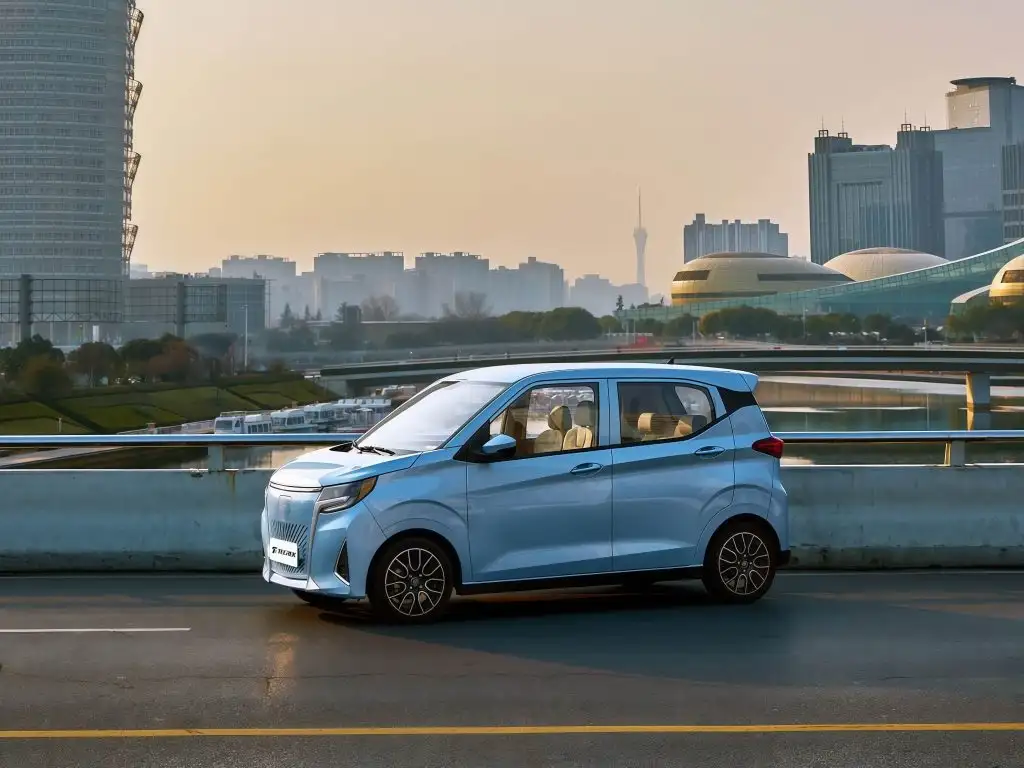
The TECREK S5402 High-Speed Electric Four-Wheeled Vehicle shows the new wave of green city travel – mixing speed, distance, and smarts into one nice electric vehicle. This model follows BEV rules by giving pure-electric drive from high-power lithium batteries, without any need for fuel-based backups.
Key Differences Between BEVs and Other EV Types
The big split between BEVs and other EVs comes from how they get energy. While PHEVs and HEVs mix combustion engines and electric drives in different ways, BEVs use just electricity. This one-way focus gives them a few strong points.
First, on pollution: BEVs have no tailpipe, so they make zero direct fumes while running. This fits with tougher green rules around the world. Second, it’s simpler inside – no gear oils, spark plugs, or exhaust parts – which means less fixing needed. Third, they can link up with green power networks, making their full life cleaner for energy.
On the other hand, PHEVs and HEVs still need gas over time, which hurts their green side even if they offer easy fixes in spots with few charging points.
Technical Characteristics of BEVs in Practice
Powertrain Architecture in Battery Electric Vehicles
BEVs use a basic powertrain setup compared to old-style vehicles. A common setup has a battery pack, inverter, electric motor, and one-speed gear system. This setup skips parts like multi-gear boxes, fuel sprayers, and pollution cleaners.
This simple build cuts down on moving parts, so there are fewer issues and cheaper costs to own over years. Most BEVs also have regenerative braking that grabs back energy from slowing down and turns it into electric power to refill the battery. This not only adds to driving distance but also cuts down on brake part wear.
With a permanent magnet synchronous motor and strong lithium battery tech, the S5402 gives even power flow, good energy use, and a top driving feel. These parts show the strong points of well-made BEV power systems.
Battery Technology and Range Capabilities
Today’s BEVs mostly run on lithium-ion battery packs because they hold a lot of energy and recharge well. Battery size is shown in kilowatt-hours (kWh) and sets the vehicle’s travel distance.
Things like car weight, how you drive, land shape, air temperature, and air flow affect real miles driven. Quick-charging options are now common in many BEVs, cutting charge times way down from past models.
The S5402 gives up to 300 km range and 100 km/h top speed, making it one of the best small EVs in its group. Such numbers come from high-size ternary lithium or lithium iron phosphate batteries based on the model type.
ShanDong TaiRui’s Product Line: Focus on Long Range Mini Electric Car
Overview of ShanDong TaiRui’s Commitment to Electrification
ShanDong TaiRui focuses on small electric vehicles made for city spots and green travel. Their skills go from tiny car building to new energy tools that match world green aims.
Tairui has added aluminum alloy and carbon fiber to tiny vehicle bodies, cutting total weight by 20% and boosting battery distance by 15%. This new material idea greatly improves how well their small EVs like the C002 work.
Plus, TaiRui helps with OEM/ODM changes for various world markets. If you’re buying for city fleets or ride-sharing, their setup bend lets it fit local tech needs while hitting global rules.
You can check their electric travel options on their main site at ShanDong TaiRui.
Features of the Long Range Mini Electric Car Model
Extended Driving Range for Urban and Suburban Use Cases
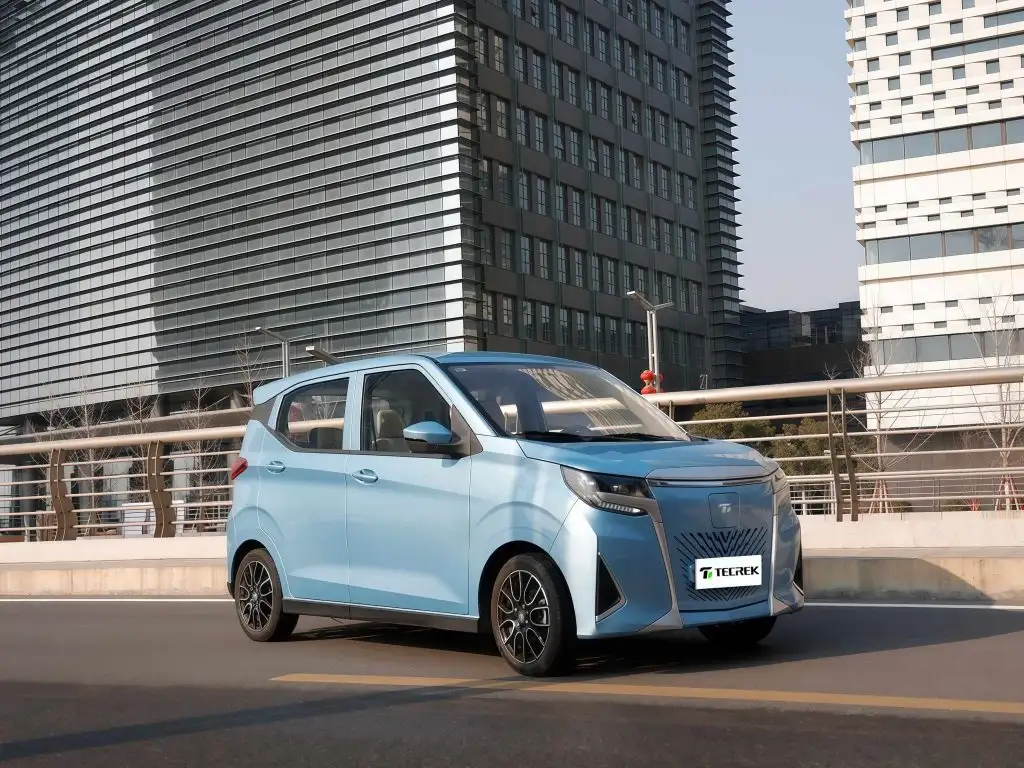
Worry about running out of power is still a big issue for people thinking of BEVs. That’s why the S5402 offers up to 300 km range in its Deluxe Edition and Comfort Version, backed by battery sizes up to 29.9 kWh. These details suit daily trips as well as now-and-then trips between cities.
Real tests show steady miles even with changing drive loads, because of smart energy sharing rules built into the car’s controls.
Compact Design with Maximized Interior Efficiency
Even as a small vehicle, the S5402 uses a strong high-strength steel body mixed with light aluminum parts for best safety and power use. This lets it have a small size without hurting inside comfort.
Its 2+2 seat setup makes sure there’s good space for riders while keeping easy turns in tight city areas – a must for busy town spots.
Energy Efficiency and Environmental Impact Reduction
BEVs like this help cut city air dirt a lot. Tairui’s new energy cleaning vehicles handle trash pickup and street sweeping, fitting China’s “dual-carbon” plan. The same no-fume idea spreads to rider cars like the S5402.
Because of high energy-to-weight balances from new materials and drive tweaks, each mile driven adds much less to earth harm than gas car choices.
Smart Connectivity and User-Centric Interface Design
The vehicle has a clever info system with things like live battery checks. Phone app links let you see car status from afar or set charge times for low-use hours – a key help for fleet bosses balancing power loads.
High-end two-color seats with clever info controls make sure it’s easy to use and feels classy.
Advantages of Choosing ShanDong TaiRui BEVs Over Conventional EV Options
Lower Total Cost of Ownership Through Simplified Maintenance Needs
BEVs skip more than a dozen machine parts found in gas engines – from coolers to gear straps – so there are fewer spots to break. This easy design means less fixing times and lower fix costs as time goes on.
Added to high-work motors and energy-recapture systems that cut brake pad changes, your running costs stay low over many years of use.
Customization Options for Regional Market Preferences
If your area has very cold weather or rough hills, custom setups make sure it runs best. This covers battery warm-up parts or power-tuned drive systems for slope areas.
Tairui gives full OEM/ODM help, including custom names, to match local laws and name likes.
Compliance with Global Safety and Emission Standards
Every piece goes through tough quality checks, including many-step looks at battery safety and motor power tuning. These steps make sure it follows world car rules – from Euro NCAP tests to Asia-Pacific fume marks.
Service Support and Customer Engagement from ShanDong TaiRui
After-Sales Service Infrastructure Across Key Markets
TaiRui runs country-wide fix centers that handle normal upkeep as well as deep checks. Far-off fix help is open for fleet users with digital signal tools built into their vehicles.
Warranty Coverage on Battery Systems and Powertrain Components
12-Month Global Warranty on main parts with far-off check service gives calm for single buyers and business runners. Warranty rules are set to match real use patterns, not just time limits.
Contact Channels for Inquiries, Orders, or Technical Consultation
Special help teams can be reached by phone, email desks, or web forms on their product page. If you’re looking at big buys or tech changes, quick answers make starting easy.
FAQ
Q: What distinguishes a BEV from other types of electric vehicles?
A: A BEV operates exclusively on electricity stored in rechargeable batteries without any gasoline engine support. Other EVs like PHEVs or HEVs use hybrid systems that combine electric motors with internal combustion engines.
Q: How does the range of TaiRui’s mini electric car compare with others?
A: With up to 300 km of real-world range depending on configuration, the S5402 offers one of the best-in-class distances for compact urban BEVs.
Q: What kind of maintenance does a BEV require compared to conventional cars?
A: Since BEVs have fewer mechanical components—no oil changes or exhaust system repairs—their overall maintenance requirements are significantly lower over time.