
City delivery costs can rise quietly. Fuel, parking time, driver fatigue, repair bills, low loading efficiency, and oversized vehicles all take money from daily operations. A well-matched electric cargo vehicle gives you a more practical way to move goods across short city routes without paying for capacity you do not use. For buyers comparing compact cargo vehicles, ShanDong TaiRui is worth serious attention. Founded in 2003, the company focuses on new energy micro electric vehicles, auto body parts, and special vehicles. Its business covers R&D, production, sales, and service, with 4 R&D centers, 10 production bases, and complete vehicle design, manufacturing, and modification capability. The company also follows EEC and L1e-L7e certification standards for forward research and manufacturing, which matters when you sell or operate vehicles in stricter markets.
Why Are City Businesses Paying Too Much for Short Distance Delivery
Cost problems in city delivery often do not come from one big mistake. They come from small daily waste. A van that is too large burns more energy, needs more space, and may spend more time finding parking. A weak vehicle causes more downtime. A poor cargo layout slows loading. For city businesses, the right vehicle is not always the biggest one. It is the one that fits the route, payload, road width, and delivery rhythm.
Rising Fuel and Maintenance Costs
Traditional fuel vehicles can be expensive for stop-and-go delivery. Engines idle in traffic. Brakes, belts, oil, filters, and exhaust parts all need service. In short-distance logistics, the vehicle often works hard without covering many profitable kilometers.
An electric cargo vehicle cuts many of these daily service points. Electric drive systems have fewer moving parts than combustion engines. That means fewer oil-related services and fewer engine wear problems. For city fleets, even small savings per vehicle can become serious money when repeated every day.
Low Efficiency in Congested Streets
City routes are full of delays. Narrow roads, busy loading zones, residential gates, school areas, and market streets all punish oversized vehicles. A compact electric cargo vehicle can move more easily through these routes. It can also reduce wasted driver time during parking and unloading.
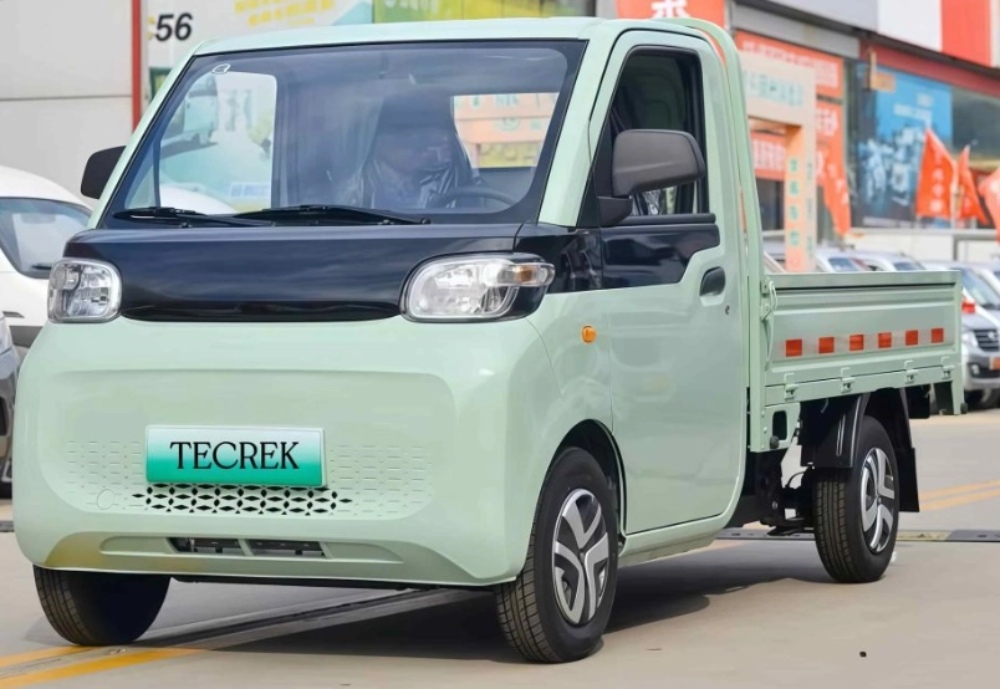
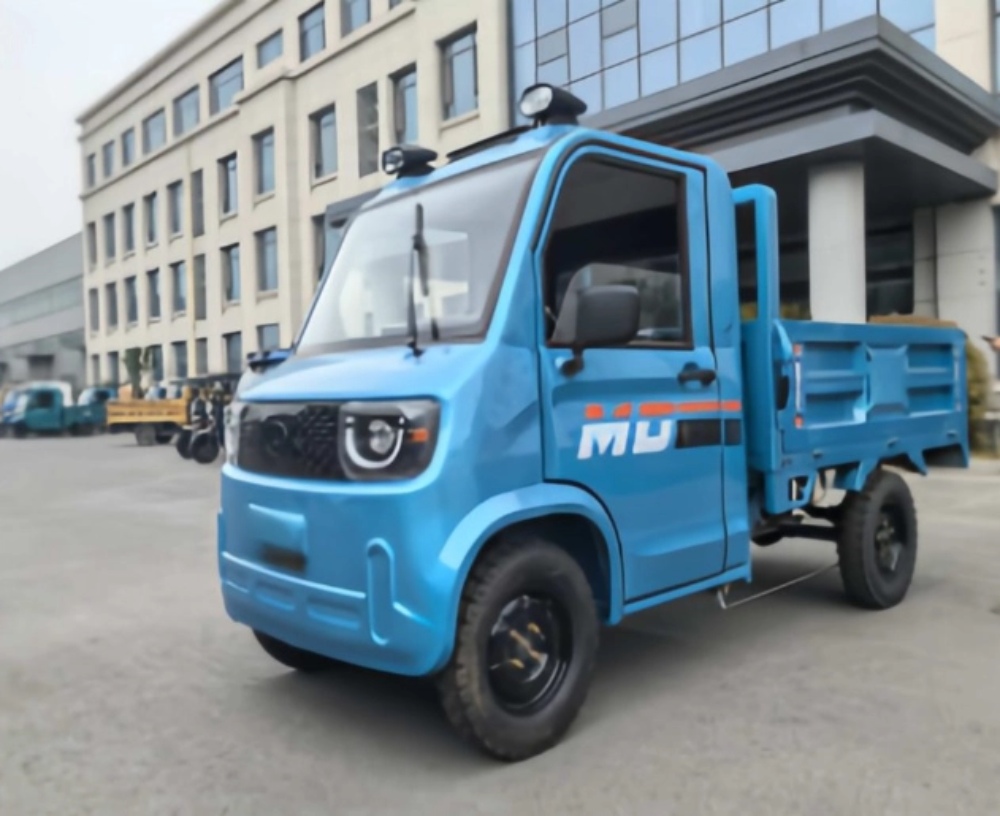
This is where the Four Wheel Micro Pickup Truck fits well. It is designed for urban logistics, short-distance delivery, and light industrial use. With a compact body, 60V/72V 1500W motor, 24-tube controller, and 45 km/h maximum speed, it suits daily city movement rather than long highway freight.
Hidden Costs of Oversized Vans
A full-size van may look strong on paper, but in city delivery it often carries air. Empty cargo space still costs money. Larger vehicles can increase insurance, parking stress, tire wear, and driver workload.
A smaller electric cargo vehicle gives you a cleaner cost structure. You pay for useful space, not wasted size. For retail restocking, campus logistics, supermarket runs, factory parts movement, and community delivery, compact vehicles often match the job better.
How Does an Electric Cargo Vehicle Lower Daily Operating Costs
An electric cargo vehicle lowers costs by attacking the daily pain points that business owners care about most. These include energy cost, service cost, route speed, vehicle downtime, and driver usability. The result is not just a greener fleet. It is a fleet that can cost less to run on the same city route.
Electric Power Cost Savings
Electricity is usually easier to plan than fuel. A vehicle that charges overnight can start the next day with a predictable energy cost. For fixed routes, this makes budgeting much easier.
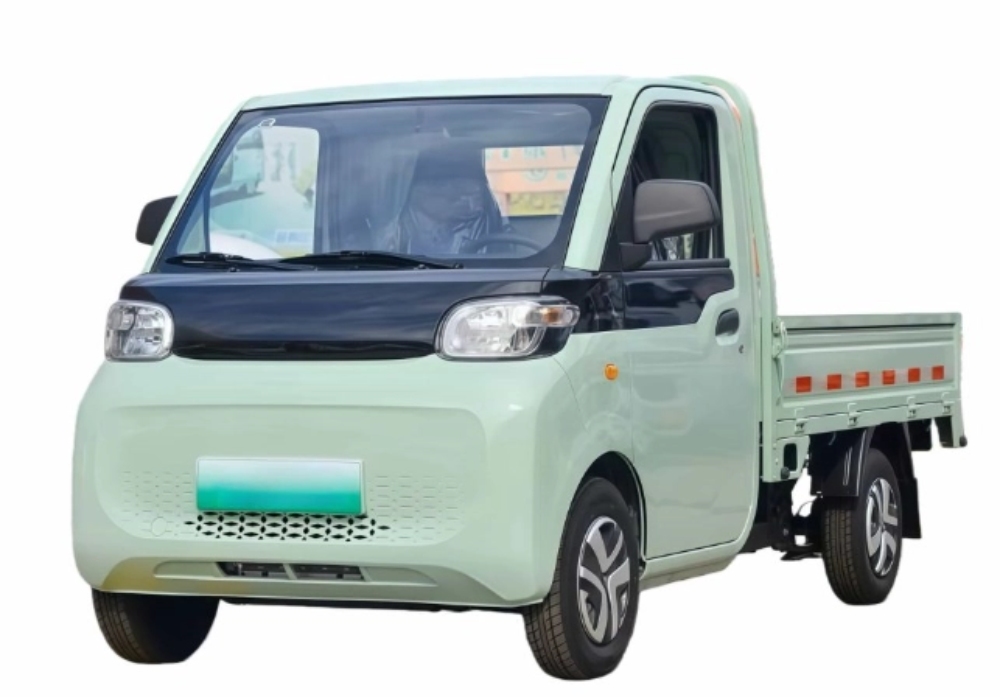
The Electric Cargo Mini Truck for Last Mile Transport is built around that idea. It uses an LFP battery system and PMSM motor, with a 140 km NEDC range and normal charging time of 6 to 8 hours. For many urban delivery schedules, overnight charging is enough to support the next day’s work.
Fewer Mechanical Wear Parts
Electric cargo vehicles remove many common fuel-vehicle service items. No engine oil changes. No fuel injection trouble. No exhaust system repair. No clutch wear in the same way as some manual fuel vehicles.
This does not mean zero maintenance. Tires, brakes, suspension, battery care, and electrical checks still matter. But the service pattern is usually simpler. For a small business without a large repair team, simpler maintenance can be a real relief. Less time in the repair shop means more time carrying goods.
Better Use of Stop and Go Routes
City delivery rarely means smooth driving. Vehicles stop, start, brake, park, and restart all day. Electric drive works well in this rhythm because power comes quickly and smoothly at low speed.
The Four Wheel Micro Pickup Truck is useful for this kind of short route. Its steering wheel control, electric wipers, durable rear axle, reinforced tires, and compact layout make it suitable for supermarket delivery, municipal service, construction site material movement, and campus logistics.
Which Cost Problems Can Electric Cargo Vehicles Solve
A good vehicle choice should answer buyer concerns directly. Can it carry enough? Can it fit city streets? Can it charge within your work schedule? Can it reduce repair pressure? Can it support your delivery type without forcing you to buy a bigger model? These questions matter more than fancy slogans.
Compact Urban Mobility
Compact design saves time in the real world. Vehicles that can enter narrow streets, residential areas, and smaller loading points reduce delays. The less time your driver spends turning around, blocking traffic, or hunting for space, the better your delivery cost per order becomes.
For small companies, this is where electric cargo vehicles are very practical. They do not need to act like heavy trucks. They just need to move parcels, tools, food products, daily goods, and parts with less waste.
Practical Cargo Capacity
Payload must match the route. Too little capacity creates extra trips. Too much unused capacity wastes money. The Electric Cargo Mini Truck for Last Mile Transport offers a 540 kg rated load capacity, 2015×1400×320 mm container dimensions, and a 2-seat cab. That makes it a solid choice for e-commerce distribution, community delivery, maintenance transport, and small business cargo runs.
It is not trying to be a large truck. That is the point. It fills the gap between small tricycles and bigger commercial vehicles.
Eco Friendly Fleet Upgrade
Many cities are tightening rules around emissions, noise, and access. Electric cargo vehicles help reduce tailpipe emissions and make fleet upgrades easier to explain to customers, property managers, and local authorities.
This is not only about policy. Quiet operation can matter in residential areas and early morning delivery. A cleaner vehicle can also improve your business image, especially for food delivery, retail brands, local service companies, and community operations.
How Can the Right Vehicle Size Improve Last Mile Delivery Profit
Last mile delivery is a numbers game. The vehicle must carry enough goods, finish enough stops, and avoid unnecessary repair or energy cost. A bigger vehicle is not always more profitable. A better-sized vehicle often wins because it reduces waste at every stop.
Four Wheel Micro Pickup Truck for Flexible City Tasks
The Four Wheel Micro Pickup Truck is a smart fit when your cargo is varied but not extremely heavy. It can serve light industrial sites, retail shops, municipal teams, and small logistics operators. Its cargo box size, compact design, and 45 km/h maximum speed are aimed at city jobs where quick access matters more than highway speed.
For daily operators, small details matter too. Steering wheel control, hand-cranked glass, electric wipers, and a simplified dashboard may sound ordinary, but they help drivers get through long working days with less trouble. Not glamorous, but useful.
Electric Cargo Mini Truck for Heavier Daily Loads
For heavier and more structured delivery tasks, the Electric Cargo Mini Truck for Last Mile Transport gives you more carrying strength. Its 540 kg rated load, 15 kW rated motor power, 130 N·m maximum torque, 4×2 drive, and 140 km NEDC range make it suitable for daily commercial use.
The LFP battery is also important. Fleet buyers often care about safety, charging rhythm, and long-term operating stability. LFP is commonly chosen in commercial electric vehicles because it is durable and well suited to repeated use.
Small Business Transport Scenarios
A city bakery may need morning delivery to stores. A repair company may carry tools and parts between sites. A small supermarket may restock from a local warehouse. A community service team may carry supplies across a district.
These are not heavy freight jobs. They are frequent, short, and time-sensitive. Electric cargo vehicles help by matching these tasks with lower energy use, easier access, and simpler daily care.
What Should Buyers Check Before Choosing an Electric Cargo Vehicle
Buying the cheapest vehicle can become expensive later. Before you choose, compare the vehicle with your real work pattern. Routes, load weight, charging access, driver skill, and after-sales support all affect long-term cost.
Payload and Cargo Box Needs
Start with your normal load, not your maximum dream load. If your daily cargo is 200 kg, a 540 kg rated load gives you a useful safety margin. If your goods are bulky but light, cargo box size matters more than payload. If your goods are fragile, you may need better enclosure, smoother driving, or custom cargo fittings.
Overloading is never a money saver. It increases tire wear, brake pressure, axle stress, and safety risk. It can also shorten vehicle life.
Range and Charging Time
Range should cover the route with a buffer. A 140 km NEDC range sounds strong for many city tasks, but your real range can change with load, road slope, temperature, stop frequency, and driving style. A practical buyer checks daily mileage first, then charging time.
A 6 to 8 hour normal charging window works well for fleets that return to base at night. If vehicles run two shifts, you may need spare charging points, route planning, or a larger fleet rotation.
Motor Power and Road Conditions
Flat city roads do not need the same power as hilly districts. A 1500W motor can work for lighter short-distance tasks, while a 15 kW PMSM motor and 130 N·m torque better fit heavier urban cargo use.
Also check brakes, tires, suspension, axle design, and service access. These parts decide how the vehicle feels after months of work, not just on the first test drive.
Why Does the Right Manufacturer Make Cost Savings Easier
A low-cost vehicle is only useful if it stays reliable. The manufacturer behind it matters because R&D, production, inspection, and after-sales support all affect the money you spend later. Good vehicle design can cut energy use. Good production can reduce defects. Good support can shorten downtime.
Integrated R&D and Vehicle Design
The company behind these vehicles has complete vehicle design, manufacturing, and modification capability. Its R&D system covers professional design, customer-based customization, new material application, 3D digital mold design, APQP, IPD process, and type testing. That is useful when your market needs a cargo box change, a color change, a different layout, or a small batch with special requirements.
Scalable Manufacturing Capability
A stable supply chain matters when you plan fleet growth. The company has 10 production bases across 8 provinces and cities, with annual comprehensive production capacity of over 20,000 vehicles. Its production background includes stamping, welding, vehicle production lines, mold processing, and testing laboratories. For overseas buyers, this helps reduce the risk of slow delivery when orders grow.
Quality Assurance and Customization Support
Quality control is not a slogan in electric cargo vehicles. It affects brakes, wiring, battery safety, body strength, paint life, and shipment consistency. The company’s quality system includes R&D quality, production quality, after-sales quality, and management standards such as ISO9001, IATF16949, ISO45001, VDA6.1/6.3, ISO14001, and CCC certification.
For city businesses, the final question is simple: can the vehicle cut waste every day? A compact model can reduce wasted space. A strong mini truck can reduce extra trips. Electric drive can cut fuel dependence. Good manufacturing can lower breakdown risk. For buyers comparing options now, starting with the Electric Cargo Mini Truck for Last Mile Transport is a practical move if your goal is lower delivery cost with real cargo ability.
FAQ
Q1: Can an electric cargo vehicle really reduce delivery costs?
A: Yes. It can reduce fuel use, simplify maintenance, and improve city route efficiency. The savings are strongest when the vehicle size matches your daily payload and route distance.
Q2: Which vehicle is better for light city delivery?
A: For lighter, flexible work such as retail delivery, campus logistics, and small material transport, the Four Wheel Micro Pickup Truck is a practical choice because of its compact body and city-focused design.
Q3: Which vehicle is better for heavier last mile delivery?
A: For heavier daily cargo, the Electric Cargo Mini Truck for Last Mile Transport is better suited because it has a 540 kg rated load capacity, 140 km NEDC range, LFP battery, and PMSM motor.