
كثيرًا ما يُطلق الناس على نظام نقل الحركة لقب "قلب" السيارة الكهربائية. إلا أن هذا المصطلح البسيط يُغفل المهام الدقيقة التي تحدث خلف الغطاء. يهتم معظم الناس بمدى سير البطارية، لكن نظام نقل الحركة هو الذي يتحكم فعليًا في كيفية سير كل ميل، ومدى أمان المقصورة الداخلية، ومدة تشغيل السيارة. إذا كنت تبحث عن حليف موثوق في هذا المجال المتطور، شاندونغ تايروي تتفوق على غيرها. منذ عام 2003، نمت الشركة لتصبح قوة رئيسية. تدير 10 مواقع بناء و4 مواقع بحثية. لا يقتصر دورها على تجميع الأجزاء، بل تشرف على سلسلة القيمة بأكملها. R & amp ؛ دال إلى تصنيعيشمل ذلك بناء الأجسام أو ضمان الجودة المركزة. تُظهر حيازاتهم البالغة 1.52 مليار يوان وحصولهم على اعتماد IATF 16949 مدى تقديرهم للعمل الدقيق.
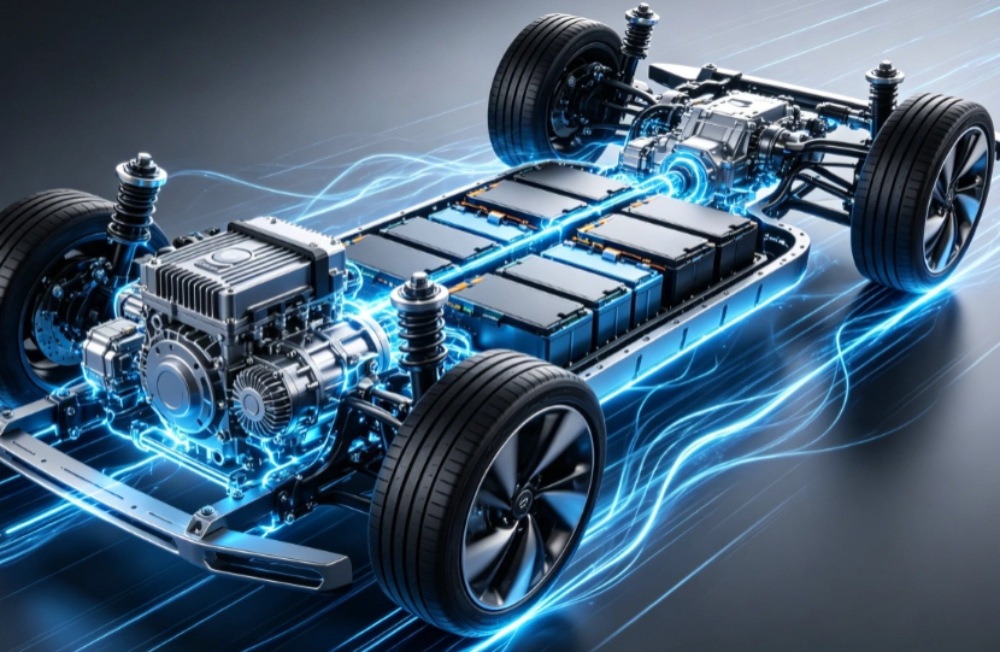
لماذا يعتبر نظام نقل الحركة أكثر من مجرد محرك؟
يعتقد العديد من المشغلين أن نظام نقل الحركة يقوم فقط بتحويل الكهرباء إلى حركة. في الحقيقة، هو بمثابة وحدة التحكم الرئيسية في مسار الطاقة، حيث يتخذ قرارات سريعة باستمرار، مما يضمن استمرار حركة المركبة دون فقدان أي وحدة طاقة.
كفاءة تحويل الطاقة
تفقد المحركات القديمة الكثير من الحرارة، بينما يستغل نظام الدفع الكهربائي معظمها. تقوم العواكس الحديثة بتحويل التيار المستمر من البطارية إلى تيار متردد لتشغيل المحرك، وذلك بكفاءة عالية. هذا الأداء القوي يفسر قدرة السيارات الصغيرة على قطع مسافات طويلة بشحنة واحدة، مما يتيح للسائقين مزيدًا من الوقت على الطريق.
توزيع عزم الدوران الديناميكي
يتولى نظام نقل الحركة إدارة القوة المُرسلة إلى العجلات، متجاوزًا بذلك علب التروس الثقيلة. وتقوم الإلكترونيات بتحويل عزم الدوران فورًا. لذا، إذا واجهت أرضًا زلقة أو ارتفاعًا حادًا، تتصرف المركبة بسرعة، وتُعالج مشاكل التماسك قبل أن تلاحظها، مما يُحسّن السلامة على الطرق الوعرة.
دمج الكبح التجديدي
عند تخفيف الضغط على دواسة الوقود، يتغير دور نظام نقل الحركة، فيصبح المحرك مولدًا للطاقة، مما يعيد الطاقة إلى الخلايا. ونتيجة لذلك، يقل استهلاك أجزاء المكابح، وتزداد المسافة المقطوعة مجانًا. يعزز هذا النظام المدى الإجمالي دون تكلفة إضافية.
كيف يُعزز نظام نقل الحركة سلامة المركبة؟
لا تقتصر السلامة على الوسائد أو الأحزمة فحسب، بل يراقب نظام نقل الحركة الذكي سلامة النظام الكهربائي للمركبة بأكملها، ويمنع الحوادث قبل وقوعها. هذه الساعة تضمن لك رحلات آمنة كل يوم.
أنظمة إدارة الحرارة
تُولّد المحركات القوية حرارةً. يعمل نظام نقل الحركة على تبريد المحرك والبطارية بسلاسة، مما يحافظ على درجة حرارة المحرك والبطارية ضمن نطاق آمن. في حال ارتفاع درجة الحرارة بشكل مفرط، يقوم النظام تلقائيًا بتقليل الطاقة لحماية الأجزاء من التلف، وبالتالي توفير الحماية للراكبين أثناء الاستخدام الشاق.
دوائر الحماية من الجهد العالي
تتطلب الفولتية العالية عناية فائقة. تتميز أنظمة نقل الحركة بأنظمة فصل سريع. في حالة وقوع حادث أو عطل في الأسلاك، يوقف هذا النظام تدفق التيار الكهربائي بسرعة فائقة، في غضون لحظات. يحمي هذا النظام الركاب والمساعدين من الصدمات الكهربائية، ويُضيف طبقة أمان أساسية.
تنسيق التحكم الإلكتروني في الاستقرار
يرتبط نظام نقل الحركة بمكابح السيارة وأنظمة المراقبة، حيث يقوم بضبط سرعة المحرك بدقة متناهية، مما يساعد على منع الانزلاق عند المنعطفات الحادة. يتفوق هذا التحكم على الطرق الميكانيكية التقليدية في سيارات البنزين، إذ يتميز بسرعة ودقة أكبر، مما يمنح السائق تحكمًا أفضل في المنعطفات.
هل يمكن لتصميم مجموعة نقل الحركة أن يحسن راحة الركاب؟
أحدث التحول إلى القيادة الكهربائية تغييراً في تجربة القيادة الداخلية. اختفت الاهتزازات المعتادة لمحركات الاحتراق الداخلي. لذا، سعى فريق تطوير أنظمة الدفع إلى ابتكار أساليب جديدة. هدفهم هو جعل الرحلات أكثر فخامة. باتت الراحة الآن تتناسب تماماً مع القيادة الهادئة.
الحد من الضوضاء والاهتزاز
يبذل المصممون ساعات طويلة في تشكيل التروس داخل صندوق القطع. يعمل نظام نقل الحركة المتين بهدوء تام، وليس بصوت حاد. هذا الهدوء يُسهّل القيادة داخل المدينة، ويُساعد كثيراً في الازدحام المروري، حيث يشعر السائقون براحة أكبر أثناء التوقف والانطلاق.
أنماط تسارع سلسة
توفر المحركات الكهربائية قوة دفع سريعة، قد تُسبب صدمة إذا لم يتم التحكم بها. يضمن نظام الكابلات القوي خط نقل طاقة مستقيمًا. تشعر بدفعة ثابتة ومتساوية. هذا يمنع أي إزعاج للركاب عند الانطلاق من وضع التوقف. تبقى الرحلة هادئة ومستقرة.
تصميم مُحسَّن لمساحة غرفة المقصورة
قام المصممون بدمج المحرك والعاكس ووحدة القيادة في قطعة واحدة صغيرة "3 في 1". هذا يوفر مساحة أرضية. هذه الميزة مناسبة لـ سيارة دفع رباعي صغيرة كهربائية بأربعة مقاعد حسنًا. كل شبر من مساحة الأرجل مهم لراحة المجموعة. ونتيجة لذلك، تصبح المساحات الداخلية أكثر اتساعًا.
لماذا تعتبر إدارة الطاقة بكفاءة أمراً بالغ الأهمية للمدى الطويل؟
يُعيق القلق بشأن السفر العديد من المشترين. صحيح أن سعة البطارية مهمة، لكن كيفية استخدام نظام الدفع لهذه السعة هي التي تحدد هدفك النهائي. فالقيادة الذكية تُطيل عمر كل شحنة، مما يُمكّن السائقين من قطع مسافات أطول بجهد أقل.
ترشيد استهلاك الطاقة في البطاريات
يعمل نظام نقل الحركة بكفاءة عالية لتوفير الطاقة، حيث يحدد المسار الأمثل للحفاظ على السرعة. حتى التحسينات الطفيفة في سرعة تبديل العاكس تزيد من طول الطريق. يتراكم هذا التوفير على مدار أسبوع كامل من الرحلات اليومية، ويلاحظ المستخدمون المسافة الإضافية بوضوح.
مفتاح العاكس الذكي
انظر إلى العاكس كحاجز سريع للأبواب. تستخدم الأنظمة الحديثة أجزاءً من كربيد السيليكون، حيث تقوم بتشغيل وإيقاف الطاقة عدة مرات في الثانية، مما يقلل من انقطاع التيار الكهربائي، ويزيد من الطاقة المُوَجَّهة إلى العجلات، ويقلل من الهدر على شكل حرارة، ويرفع كفاءة جميع المحركات.
تقليل فقد الطاقة الطفيلي
تستهلك الأضواء والمراقبون وأجهزة التدفئة الطاقة من السيارة. ويقوم نظام نقل الحركة الذكي بتخطيط هذه العمليات الإضافية. فعندما ينخفض مستوى الشحن، يقوم بتشغيل محرك القيادة أولاً، مما يقلل من عمليات الانتظار. وهذا يضمن لك الوصول إلى نقطة الشحن، ويحافظ على مدى قيادة موثوق حتى في الأوقات الضيقة.
ما هي الميزات الخفية التي تؤثر على أداء المركبات الكهربائية في المدن؟
الحياة في المدينة لا تتطلب سرعات عالية. فالرشاقة أهم. أنظمة الدفع في المدن مصممة خصيصاً لحركة المرور المتقطعة. إنها تتلاءم تماماً مع شوارع المدينة. هذا التصميم يعزز سهولة الحياة اليومية. ويحسن من قدرة السائقين على التعامل مع الشوارع.
عزم دوران عالٍ عند السرعات المنخفضة
تحتاج سيارات البنزين إلى اكتساب السرعة أولاً، بينما توفر محركات السيارات الكهربائية قوة كاملة من وضع السكون. وهذا يُسهّل الانطلاق بسلاسة في الازدحام المروري أو الانضمام إلى الطرق. تبدو السيارة الصغيرة أقوى مما هي عليه في الواقع، وتتميز بحركات سريعة ودقيقة، مما يجعل التنقلات داخل المدينة سهلة.
وحدات القيادة المتكاملة المدمجة
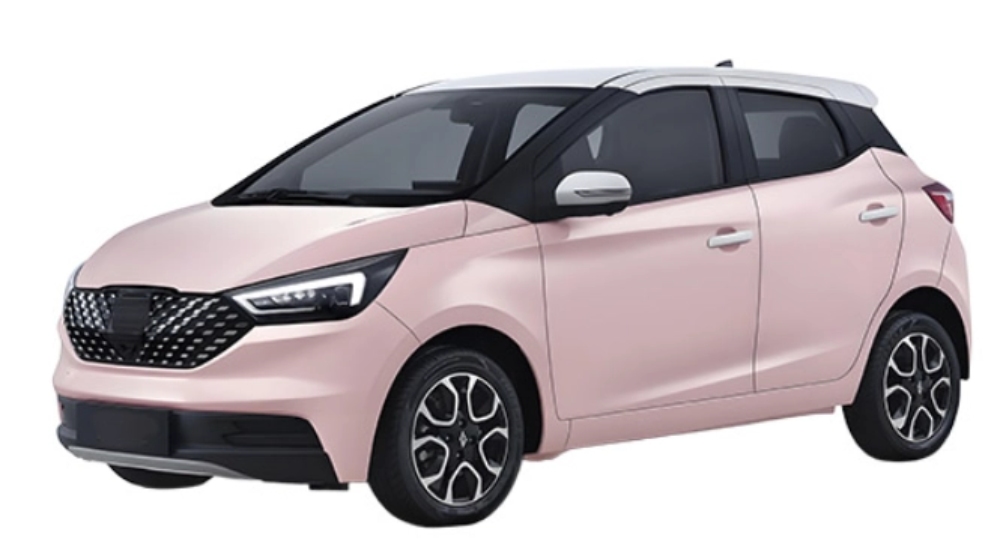
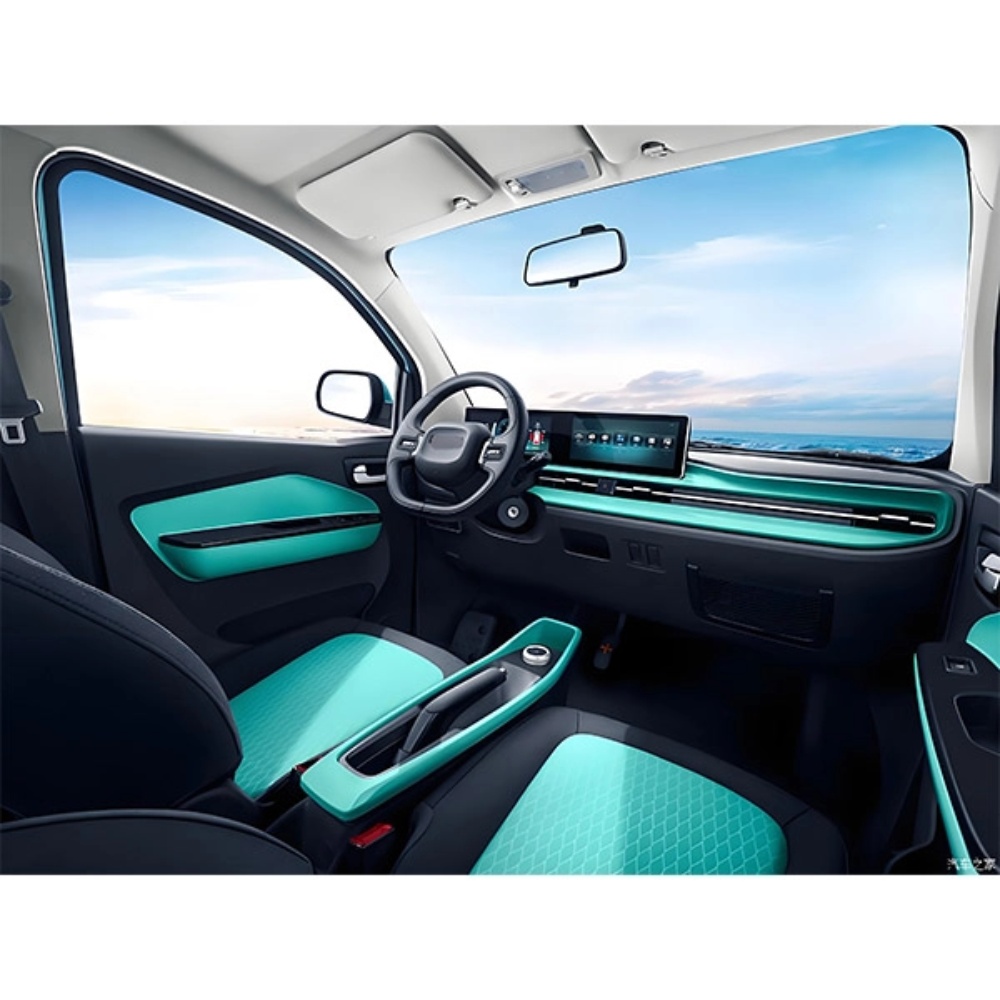
يجب أن تبقى سيارات المدينة خفيفة الوزن. نظام الدفع الصغير يُقصر الجزء الأمامي، مما يُحسّن مجال الرؤية. سيارة كهربائية رباعية الأبواب تتميز بسهولة طيها. ركنها مريح. تتسع من الداخل لأربعة أشخاص بالغين. توفر الراحة التي تحتاجها.
الاستجابة السريعة للمناورة الحضرية
عدم وجود علبة تروس قديمة يعني عدم الحاجة للبحث عن التروس. اضغط على الدواسة، وستنتقل السيارة إلى التروس فورًا. هذه الحركة السريعة مفيدة في الطرق الضيقة أو الدوارات المزدحمة. الوقت مهم في مثل هذه الأماكن. التحكم يُسهّل الانعطافات الآمنة، ويجعل القيادة في المدينة سلسة.
لماذا تختار شركة شاندونغ تايروي للحصول على حلول متطورة للسيارات الكهربائية؟
اختر شركة تصنيع سيارات ذات خبرة طويلة في مجال توريد قطع غيار السيارات. هذا يُحدث فرقًا كبيرًا. فهم فريقٌ ذو خبرةٍ واسعة، ولديهم معرفةٌ عميقةٌ بجوهر المركبات. الخيارات الجيدة تؤدي إلى خياراتٍ سليمة. الموثوقية تبني الثقة مع مرور الوقت.
دمج أنظمة توليد الطاقة عالية الأداء في سيارات الدفع الرباعي الصغيرة
يجمع طراز SM001 بين هيكل متين ونظام قيادة ذكي. فهو يتحمل الاستخدام اليومي الشاق مع الحفاظ على انخفاض استهلاك الطاقة. وهذا يُظهر أن سيارات الدفع الرباعي الاقتصادية يمكن أن تكون متطورة. يحصل المستخدمون على مزايا تقنية دون تكلفة باهظة، مما يُحسّن تجربة القيادة اليومية.
الهندسة الدقيقة للسيارات الكهربائية ذات الأربعة أبواب المخصصة للمدن
في طراز C004، يُعدّ الأداء عاملاً أساسياً. يتناسب نظام الدفع مع ظروف المدينة، حيث يركز على القوة وسهولة الصيانة، مما يلبي احتياجات من يحتاجون إلى تنقلات سلسة داخل المدينة. كما أن عدم الحاجة إلى التوقف للتزود بالوقود يزيد من سهولة الاستخدام. ويتجلى الاستخدام العملي بوضوح.
قدرات بحث وتطوير عالمية المستوى
بفضل 14 براءة اختراع عالمية ومختبرات اختبار متخصصة، تتمتع الشركة بمكانة راسخة. وتتطلع إلى تطوير منتجات مثل أنظمة التوجيه الإلكتروني والقطع المصبوبة المتصلة. وهذا ليس مجرد كلام، بل تؤكده نسبة نجاح تصدير بلغت 99.7%. كما أن حصولها على لقب "مورد ممتاز" من علامات تجارية مثل سايك وجنرال موتورز وولينغ يُعد دليلاً إضافياً. فالتكنولوجيا هي المحرك الحقيقي للمكاسب.
ضمان الجودة الصارم والتميز في التصنيع
تخضع كل مركبة لفحوصات دقيقة. تتحكم خطوط اللحام الآلية في سير العمل لضمان الجودة. ستحصل على وحدة مطابقة لمعايير IATF 16949. السلامة والجودة جزء لا يتجزأ من كل جزء. تصنيع المرحلة. تضمن المعايير أفضل التصاميم. يقود المستخدمون براحة بال.
أسئلة متكررة
س1: لماذا أشعر أن سيارتي الكهربائية أسرع من سيارة تعمل بالبنزين؟
ج: يُرسل نظام نقل الحركة أقصى قوة على الفور. تعمل محركات البنزين بالدفع وتغيير التروس. أما المحركات الكهربائية فتُعطي الطاقة الكاملة بمجرد الضغط على دواسة الوقود. هذه الدفعة السريعة تجعل الانطلاقات حادة. التسارع قوي ومباشر.
س2: هل يؤثر نظام نقل الحركة على مدة بقاء البطارية؟
ج: نعم، إنه يؤثر بشكل كبير. نظام نقل الحركة الجيد يمنع ارتفاع درجة حرارة البطارية، ويتعامل مع دورات الشحن والتفريغ بحذر، مما يقلل الضغط على الخلايا، ويحافظ على سعتها بشكل أفضل على مر السنين، ويطيل عمرها بفضل التحكم الذكي.
س3: هل يمكن إصلاح مجموعة نقل الحركة بسهولة؟
ج: تحتوي أنظمة الدفع في السيارات الكهربائية على أجزاء متحركة أقل من محركات الاحتراق الداخلي، لذا فهي لا تحتاج إلى صيانة كثيرة. تعتمد معظم الإصلاحات على تعديلات برمجية أو استبدال بعض الأجزاء مثل العاكس. تبقى عمليات الإصلاح بسيطة، ويقل وقت التوقف عن العمل إلى أدنى حد.
س4: ماذا يحدث لمجموعة نقل الحركة في الطقس البارد جداً؟
ج: البرد يُبطئ استجابة البطارية. تُضيف أنظمة توليد الطاقة الحديثة سخانات. تعمل هذه السخانات على تدفئة النظام إلى المستويات المناسبة. يبقى الأداء ثابتًا حتى في درجات الحرارة المنخفضة. تعمل المحركات بكفاءة على مدار العام. وتبقى الموثوقية عالية.
س5: هل نظام نقل الحركة "3 في 1" أفضل؟
ج: في أغلب الأحيان، يكون الأمر كذلك. فالمحرك ووحدة القيادة والعاكس موجودة في علبة واحدة. هذا يقلل الوزن ويقلل الحاجة إلى الأسلاك السميكة. تصبح المركبة أخف وزنًا. ويزداد الإنتاج. وتتسع مساحة الركاب. التصميم يحقق مكاسب من جميع النواحي.