
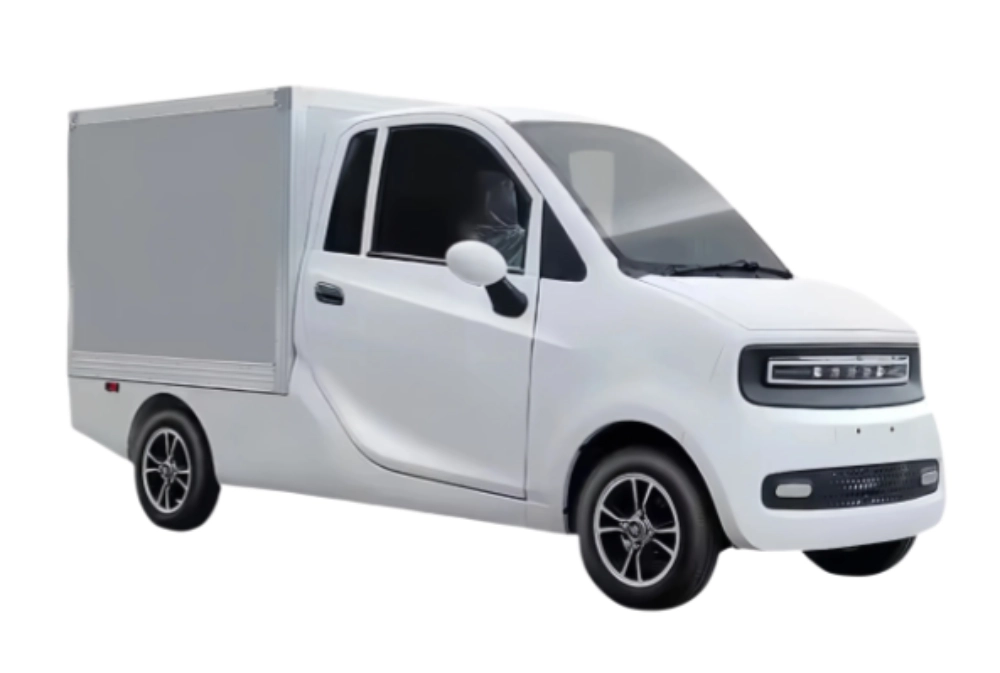
Las flotas de vehículos comerciales eléctricos más pequeños necesitan vehículos comerciales más compactos, ya que muchas rutas diarias son cortas, repetitivas y se limitan a campus universitarios, complejos turísticos, parques industriales, zonas residenciales y áreas de servicio. Un vehículo compacto puede reducir el ruido, las emisiones locales, la demanda de estacionamiento y la dificultad de maniobra sin tener que pagar por la capacidad de circular por autopista, que la ruta nunca utiliza.
El Vehículo refrigerado eléctrico de la ciudad para el transporte urbano de Shandong TaiRui Se posiciona como un vehículo eléctrico urbano compacto para el transporte en áreas controladas. Su idoneidad para flotas debe evaluarse considerando la ruta, la carga útil, el número de pasajeros, la carga, el clima y los requisitos de mantenimiento.
¿Qué operaciones se benefician más de un vehículo eléctrico compacto?
Patrulla de propiedades y comunidad
Los equipos de seguridad y vigilancia de propiedades suelen recorrer rutas predecibles a baja velocidad, portando radios, herramientas y documentos. Un vehículo compacto cerrado ofrece protección contra las inclemencias del tiempo y, además, resulta más fácil de estacionar cerca de puertas, cuartos de servicio y zonas peatonales que una furgoneta de tamaño normal.
Servicio de campus y resort
Los equipos de mantenimiento, limpieza, atención al cliente y administración necesitan desplazarse con frecuencia. El funcionamiento eléctrico silencioso resulta útil cerca de las habitaciones, las aulas y los espacios públicos, mientras que un radio de giro reducido facilita la circulación por las vías internas.
Logística interna de fábrica
Los componentes pequeños, los documentos, las muestras y los técnicos pueden necesitar trasladarse entre edificios varias veces por turno. Un vehículo eléctrico comercial compacto puede reducir los desplazamientos a pie y sustituir los trayectos cortos que realizan los vehículos de combustible más grandes, siempre que se cumplan los requisitos de carga y seguridad.
Mantenimiento municipal y de instalaciones
Las rutas de jardinería, inspección de servicios públicos, lectura de contadores y servicios comunitarios suelen implicar numerosas paradas. Un acceso sencillo, un control de velocidad reducido y una carga simple pueden ser más importantes que la autonomía máxima.
¿Cómo deben planificar la ruta los gestores de flotas?
Comience con un análisis de la ruta en lugar de un folleto del vehículo. Registre la distancia diaria, el trayecto continuo más largo, las pendientes, el ancho de la carretera, los puntos de giro, el estado de la superficie, la frecuencia de paradas, la carga de pasajeros o mercancías y el tiempo de inactividad. La ruta también debe indicar dónde puede recargarse el vehículo sin interrumpir las operaciones.
| Pregunta sobre la ruta | Qué medir | Por qué es importante |
| Distancia | Kilómetros típicos y del peor día | Establece el requisito de rango utilizable |
| Carga | Pasajeros, herramientas y masa de carga | Afecta al consumo de energía y al frenado. |
| Gradiente | Pendiente sostenida más pronunciada | Pruebas de demanda del motor y térmica |
| Paradas | Comienza por turno y ciclos de puerta | Afecta a la eficiencia y a la fatiga del conductor. |
| Ventana de carga | Horas estacionado cerca de la corriente eléctrica | Define la estrategia de cargador y batería. |
| Entorno vial | Ancho, superficie, peatones, clima | Determina el tamaño y las características de seguridad. |
Un vehículo debería completar el turno normal más exigente con una reserva de autonomía, no solo la ruta promedio en condiciones ideales. El aire acondicionado, la calefacción, las pendientes, la carga útil, la antigüedad de la batería y el funcionamiento con paradas y arranques frecuentes pueden reducir la autonomía disponible.
¿Por qué los vehículos más pequeños pueden reducir la fricción operativa?
La ventaja no se limita al coste de la electricidad. Un vehículo más pequeño puede reducir el tiempo dedicado a buscar aparcamiento, maniobrar en carriles estrechos y esperar para acceder a zonas concurridas. También puede disminuir el riesgo de daños en zonas ajardinadas o peatonales. Este ahorro de tiempo debería tenerse en cuenta en el análisis de la flota.
Los sistemas de propulsión eléctrica requieren menos mantenimiento rutinario del motor, pero aún así necesitan neumáticos, frenos, suspensión, dirección, refrigeración, equipo de carga y diagnóstico eléctrico. El plan de mantenimiento debe basarse en el ciclo de trabajo y la disponibilidad de repuestos locales, en lugar de asumir que un vehículo eléctrico no necesita mantenimiento.
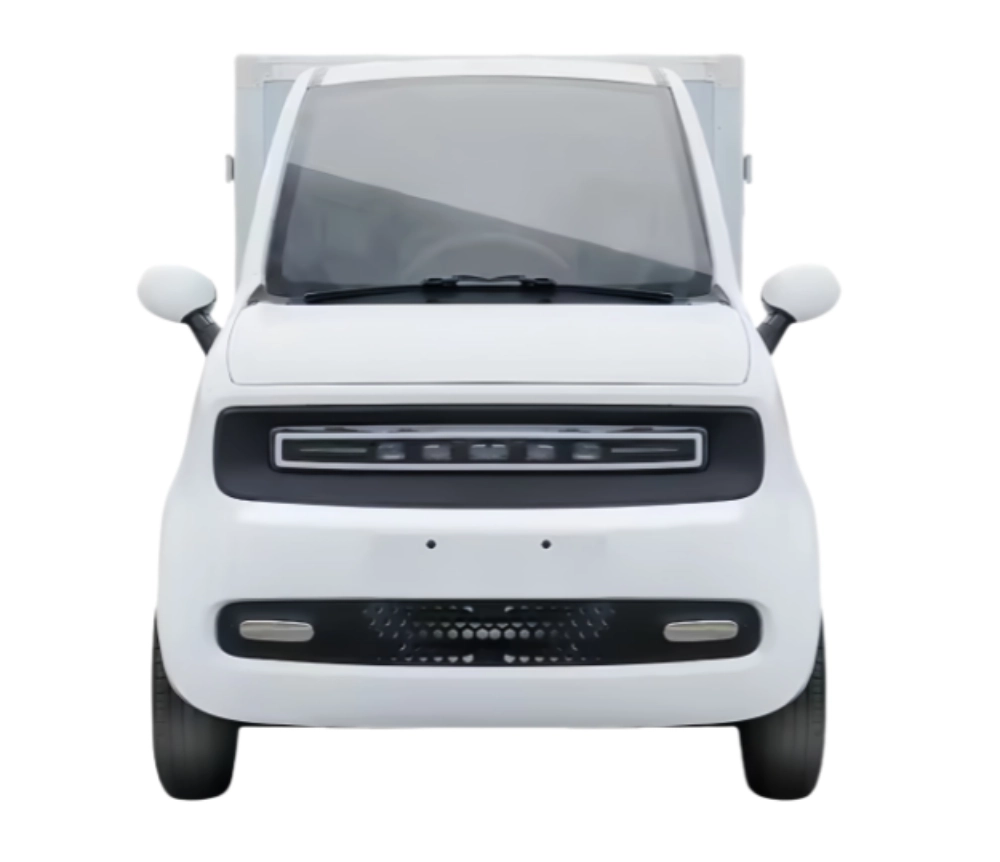
¿Qué se debe comprobar más allá del alcance?
Distribución de pasajeros y carga
Confirme el número de asientos, el acceso a las puertas, el espacio de almacenamiento, la carga útil y cómo se aseguran las herramientas. Un vehículo utilizado para el transporte de personal tiene prioridades diferentes a las de uno que transporta repuestos o artículos de limpieza. La carga suelta puede generar problemas de seguridad y ruido en rutas con paradas frecuentes.
Ergonomía del conductor
Los conductores pueden entrar y salir del vehículo docenas de veces por turno. La posición del asiento, la altura del escalón, la visibilidad, la cobertura de los espejos, los controles, la ventilación y el ruido en la cabina deben ser probados por usuarios reales. Una breve prueba suele revelar problemas que no se muestran en las especificaciones.
Frenado, iluminación y seguridad a baja velocidad
Las instalaciones deben revisar el rendimiento de frenado, las alertas de marcha atrás, la necesidad de cámaras o sensores, la visibilidad de los peatones, la iluminación, la bocina, los cinturones de seguridad y el control de velocidad. Los requisitos exactos dependen de si el vehículo circula por vías privadas, vías públicas o zonas mixtas.
Infraestructura de carga
Verifique el voltaje, el tipo de enchufe o cargador, la protección del cable, la exposición a la intemperie, las normas de estacionamiento y la capacidad eléctrica. La carga centralizada nocturna puede ser adecuada para un solo turno, mientras que las operaciones de varios turnos pueden requerir carga ocasional o vehículos de reserva.
¿Cómo se debe comparar el costo total?
- Precio de compra y cualquier impuesto local o costo de registro.
- Coste del cargador, el cableado y la mejora eléctrica.
- Consumo de electricidad en condiciones reales de ruta y clima.
- Neumáticos, frenos, mantenimiento programado y repuestos.
- Garantía de la batería, retención de capacidad prevista y política de reemplazo.
- Disponibilidad de vehículos y coste del tiempo de inactividad.
- Plan de reventa o de fin de vida útil.
Compare el vehículo eléctrico compacto con el vehículo al que realmente reemplazará, no con un automóvil de pasajeros sin relación alguna. Si una furgoneta grande actualmente circula con poca carga para trayectos cortos dentro del país, la reducción del consumo de energía y del tiempo de maniobra puede ser un argumento más sólido que el simple ahorro de combustible.
¿Qué prueba piloto debería realizar una instalación?
Utilice el vehículo en la ruta normal más exigente con conductores reales, pasajeros o carga, y controlando el climatizador. Registre el consumo de energía, la carga restante, el tiempo de viaje, el tiempo de carga, los comentarios del conductor, el comportamiento de frenado, la comodidad del habitáculo y los problemas de acceso. Repita la prueba en varios turnos en lugar de basarse en una sola demostración.
La flota podrá entonces revisar Vehículos eléctricos de la ciudad de Tairui y seleccione una configuración que se ajuste a la ruta probada. Antes de la implementación, se deben confirmar el cumplimiento de las normativas locales, el registro, el acceso por carretera y el seguro.
Conclusión
Los vehículos comerciales eléctricos más pequeños son útiles cuando el trabajo consiste en viajes cortos y frecuentes en un área controlada. Su tamaño compacto facilita el acceso y aumenta la productividad, mientras que el funcionamiento eléctrico reduce el ruido y las emisiones contaminantes.
La decisión correcta sobre la flota se basa en datos de ruta, pruebas de usuario, planificación de carga y soporte de mantenimiento. El alcance máximo es solo una parte de una operación confiable en distancias cortas.
Preguntas frecuentes
P1: ¿Cuánta reserva de munición debería mantener una instalación?
A: La flota debería completar el turno normal más complicado con una reserva práctica para climatización, desvíos, desgaste de las baterías y tareas imprevistas. El porcentaje exacto depende del riesgo de la ruta y del acceso a los puntos de recarga.
P2: ¿Puede un cuadriciclo compacto sustituir a una furgoneta?
R: Puede utilizarse para viajes cortos con poca carga cuando las necesidades de pasajeros, carga, carretera y seguridad están dentro de sus capacidades. No es un sustituto universal para el transporte pesado o por carretera.
P3: ¿Es suficiente con cargar el dispositivo durante la noche?
R: Suele ser adecuado para rutas de un solo turno, pero el uso en varios turnos o de largo kilometraje puede requerir carga de oportunidad, carga más rápida o vehículos adicionales.
P4: ¿Qué deben probar los conductores durante una prueba piloto?
A: Deben evaluar la visibilidad, la entrada y salida, la comodidad de los asientos, el frenado, la maniobrabilidad, el rendimiento en pendientes, la temperatura de la cabina, los controles, la seguridad de la carga y el proceso de carga.
P5: ¿Los vehículos eléctricos para instalaciones requieren mantenimiento?
R: Sí. Requieren inspección y mantenimiento de neumáticos, frenos, suspensión, dirección, sistemas eléctricos, sistema de refrigeración (cuando esté instalado) y equipo de carga.