
Un mini EV non si distingue solo per le dimensioni ridotte. Gli acquirenti si preoccupano anche di accelerazione, fluidità di guida, consumo energetico, autonomia, sicurezza, costi di ricarica e capacità del veicolo di affrontare l'uso quotidiano in città. In molte auto elettriche compatte, un'errata taratura del motore è una delle cause di avviamenti deboli, elevate perdite di potenza e una ridotta autonomia pratica. Ecco perché il motore PMS è diventato un elemento chiave quando si confrontano le auto elettriche urbane per il pendolarismo, l'uso familiare, la mobilità universitaria o le consegne a breve distanza.
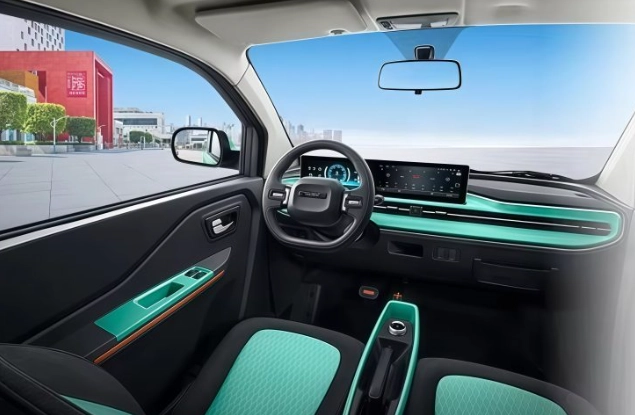
Perché la scelta del motore è importante in un mini veicolo elettrico?
La scelta del motore determina come il veicolo si avvia, affronta le salite, viaggia a velocità costante e utilizza l'energia della batteria. Un mini veicolo elettrico ha solitamente una capacità della batteria limitata, un peso massimo consentito limitato e un compito ben preciso: brevi spostamenti urbani con un utilizzo quotidiano costante. Se il motore disperde troppa energia, la batteria si scarica più velocemente. Se il motore è troppo debole, il veicolo risulta lento a pieno carico o in partenza in salita.
Un motore PMS offre una risposta più potente alle basse velocità.
Un motore PMS, o motore sincrono a magneti permanenti, è in grado di fornire una coppia elevata a bassi regimi. Questo è molto importante in un piccolo veicolo elettrico, perché la maggior parte della guida in città avviene a velocità basse e medie. Ci si ferma, si riparte, si svolta, si parcheggia, si rallenta e si riparte. Non si tratta sempre di raggiungere la velocità massima.
Il Alta velocità EV 3door 2seat Utilizza un motore PMS con una potenza nominale di 13 kW e una potenza massima di 20 kW. Per un veicolo compatto con un peso a vuoto di 795 kg, questa configurazione del motore fornisce alla vettura una spinta sufficiente senza sovradimensionare l'intero sistema di alimentazione. Questo equilibrio è il punto cruciale. Una mini auto elettrica non deve risultare lenta, ma non deve nemmeno essere dotata di un sistema pesante e inefficiente che comprometta l'autonomia.
La potenza nominale e la potenza massima raccontano storie diverse.
La potenza nominale indica il livello di potenza stabile che il motore può erogare durante la guida normale. La potenza massima indica la potenza di picco erogata per un breve periodo durante accelerazioni più intense o in salita. Molti acquirenti guardano solo il valore più alto, ma questo può essere fuorviante.
Per acquirenti di flotte, distributori e importatori, la potenza nominale di 13 kW è più utile per valutare l'affidabilità nell'uso quotidiano. La potenza massima di 20 kW è utile quando il veicolo necessita di maggiore spinta, ad esempio per immettersi nel traffico cittadino o per affrontare una rampa. Il prodotto dichiara inoltre una capacità di salita non inferiore al 20%, quindi il propulsore non è progettato solo per strade pianeggianti.
In che modo un motore PMS contribuisce a ridurre l'autonomia e il consumo energetico?
L'autonomia è una delle prime domande da porsi quando si acquista un mini veicolo elettrico. Alcuni clienti chiedono la batteria più grande, ma una batteria più grande non è sempre la soluzione migliore. Aumenta i costi e il peso. Un approccio migliore è quello di far lavorare insieme motore, centralina, batteria e carrozzeria, riducendo al minimo gli sprechi.
Una maggiore efficienza del motore significa minore stress per la batteria.
Un motore PMS è noto per la sua elevata efficienza perché il suo rotore utilizza magneti permanenti anziché affidarsi esclusivamente all'eccitazione elettrica. In parole semplici, una maggiore quantità di energia della batteria può essere convertita in forza motrice, mentre una minore quantità viene trasformata in calore. Questo è particolarmente utile in un piccolo veicolo elettrico, dove ogni kWh conta.
Il Alta velocità EV 3door 2seat È dotata di una batteria al litio ferro fosfato da 13,7 kWh con BMS, una tensione nominale di 102,4 V e una capacità nominale di 134 Ah. L'autonomia dichiarata è di 120 km. Per gli spostamenti urbani quotidiani, questo valore è adeguato a molti casi di utilizzo per brevi tragitti, soprattutto quando il veicolo viene utilizzato per il pendolarismo, i viaggi di comunità, il trasporto nel campus o per consegne leggere.
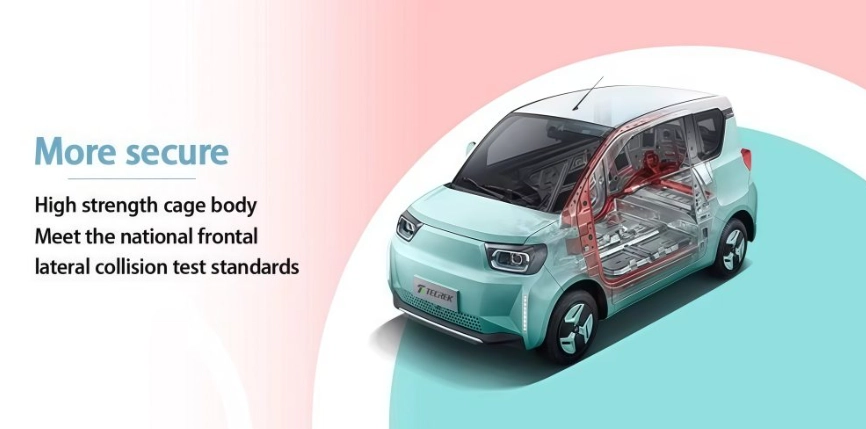
Un piccolo spunto tratto dalla mia esperienza di vendita di veicoli: molti clienti chiedono prima l'autonomia, poi si chiedono perché l'auto sembri ancora poco potente. Questi due aspetti non dovrebbero essere separati. Un'autonomia adeguata senza una risposta di potenza ottimale offre una pessima esperienza di guida. Una potenza eccessiva senza un controllo preciso dell'energia fa lievitare i costi di gestione. La taratura del motore tramite PMS (Precision Management System) aiuta a risolvere entrambi i problemi.
Il supporto BMS rende la potenza in uscita più stabile
La batteria non è solo un contenitore di elettricità. Il BMS controlla e gestisce tensione, temperatura, carica e scarica. Questo è importante quando il motore PMS richiede più corrente durante l'accelerazione o la salita.
In questo veicolo, la batteria al litio ferro fosfato con BMS garantisce un utilizzo quotidiano più sicuro e stabile. Per gli acquirenti, questo è un vantaggio, poiché la sicurezza della batteria, la sua durata e i costi di assistenza post-vendita non sono dettagli di poco conto. Un sistema di batterie economico può sembrare valido sulla carta, ma poi causare problemi dopo pochi mesi di utilizzo.
Perché la S2201 si comporta in modo diverso da una mini auto a bassa velocità?
Molti veicoli elettrici compatti si assomigliano dall'esterno. La vera differenza sta nella velocità, nell'assetto del telaio, nella risposta del motore, nella frenata e nella gestione della batteria. Un modello a bassa velocità può essere adatto a quartieri residenziali o percorsi locali a traffico limitato. Un mini-EV ad alta velocità necessita di maggiore potenza e di un controllo più preciso.
La velocità massima di 90 km/h modifica il caso d'uso del veicolo.
Il S2201 elencato su Alta velocità EV 3door 2seat La Page raggiunge una velocità massima di 90 km/h. Questo la colloca in una categoria diversa rispetto ai comuni veicoli urbani da 45 km/h. Può essere la soluzione ideale per chi cerca un'auto elettrica compatta ma non desidera la sensazione di lentezza dei veicoli base a bassa velocità.
Questo non significa che la velocità sia l'unico punto di forza. Negli acquisti B2B, la velocità deve essere in armonia con la frenata, la struttura della carrozzeria, le sospensioni e la stabilità della batteria. Un'auto piccola e veloce con una messa a punto del telaio scadente non è un buon prodotto. In questo caso, la S2201 utilizza una carrozzeria con supporti completi, sospensioni anteriori indipendenti McPherson, sospensioni posteriori a bracci oscillanti e un impianto frenante con dischi e tamburi. Questi componenti lavorano in sinergia con il motore, anziché lasciare che sia quest'ultimo a dover gestire da solo tutte le prestazioni.
Le dimensioni compatte ne facilitano comunque l'utilizzo in ambito urbano.
Le dimensioni del veicolo sono 3162 mm di lunghezza, 1498 mm di larghezza e 1580 mm di altezza, con un passo di 2050 mm. La configurazione a 3 porte e 2 posti mantiene la carrozzeria sufficientemente compatta per le strade cittadine e gli spazi di parcheggio ristretti. Per molti mercati, questo è esattamente il punto di forza di una mini auto elettrica.
Un veicolo di piccole dimensioni contribuisce anche a ridurre la resistenza al rotolamento e all'aria. Il motore non deve muovere un corpo grande e pesante ogni volta che il conducente parte da fermo. Questo è uno dei motivi per cui un mini veicolo elettrico ben progettato può risultare più agile del previsto.
Cos'altro dovrebbero controllare gli acquirenti oltre al motore PMS?
Un motore PMS è importante, ma da solo non può risolvere i problemi di una piattaforma veicolare debole. Quando si confrontano i fornitori di mini veicoli elettrici, è necessario valutare l'intero sistema: propulsione, carrozzeria, batteria, processo produttivo, collaudo e supporto alla personalizzazione.
La capacità di ricerca e sviluppo influisce sull'abbinamento dei motori
ShanDong TaiRui Fondata nel 2003, l'azienda si occupa di veicoli microelettrici a energia alternativa, offrendo servizi completi di progettazione, produzione e modifica. Il suo sito web descrive 4 importanti centri di ricerca e 10 basi produttive distribuite in 8 province e città. L'azienda si attiene inoltre agli standard di certificazione europei CEE e L1e-L7e per la ricerca e la produzione di nuova generazione.
Questo è importante perché l'abbinamento del motore non consiste solo nello scegliere un motore da un catalogo. Richiede la progettazione dell'architettura del veicolo, la disposizione della batteria, la messa a punto del telaio, la pianificazione del raffreddamento, la logica del controller e i test. Sul R& D Capacità Nella pagina dedicata, l'azienda menziona attività che spaziano dalla ricerca sui materiali all'integrazione dei sistemi dei veicoli, oltre a un team di oltre 100 professionisti e tecnici. Questo offre agli acquirenti maggiore sicurezza quando necessitano di modifiche ai prodotti per conformarsi alle normative locali o alle abitudini dei clienti.
La qualità della produzione determina la stabilità a lungo termine
Un mini veicolo elettrico può sembrare semplice, ma la sua produzione include comunque stampaggio, saldatura, verniciatura e assemblaggio. Se la saldatura è di scarsa qualità, se la carrozzeria ha una scarsa resistenza alla corrosione o se il cablaggio è disordinato, il vantaggio del motore non basterà a salvare il prodotto.
ShanDong TaiRui Capacità produttive La pagina elenca i processi completi di stampaggio, saldatura, verniciatura e assemblaggio. Indica inoltre che le linee di produzione automatizzate e il controllo qualità supportano la produzione su larga scala e gli ordini personalizzati. Per i distributori, è importante verificare queste informazioni, poiché la qualità costante dei lotti è più importante di un singolo campione perfetto.
In che modo un motore PMS può ridurre i problemi di funzionamento?
Per gli acquirenti commerciali, la preoccupazione principale non è solo se l'auto si comporta bene durante un breve test, ma se il modello può continuare a funzionare con una minore pressione di manutenzione, meno reclami e una più facile pianificazione dei pezzi di ricambio.
Meno parti mobili significano meno interventi di manutenzione ordinaria.
Rispetto ai veicoli a combustione interna, un sistema di propulsione elettrica non richiede il cambio dell'olio, non necessita di un sistema di iniezione del carburante e presenta un numero inferiore di componenti meccanici legati all'erogazione di potenza. Un motore a magneti permanenti (PMS) aggiunge a questo vantaggio di base una maggiore efficienza e una maggiore fluidità di funzionamento. Nell'uso quotidiano, ciò si traduce in una riduzione del rumore, delle vibrazioni e di alcuni interventi di manutenzione ordinaria.
La versione elettrica ad alta velocità a 3 porte e 2 posti è pensata anche per gli spostamenti urbani quotidiani, la logistica e le consegne dell'ultimo miglio, la mobilità nei campus o nei resort e le flotte cittadine ecocompatibili. Questi impieghi richiedono prestazioni ripetibili, non solo un buon numero di specifiche.
I test di qualità contribuiscono a ridurre i rischi post-vendita.
I sistemi di alimentazione devono essere testati in condizioni di vibrazione, calore, esposizione all'acqua e utilizzo prolungato. ShanDong TaiRui Assicurazione qualità La pagina menziona oltre 70 addetti al controllo qualità, le certificazioni ISO9001, IATF16949, ISO45001, VDA6.1/6.3, ISO14001 e CCC. Elenca inoltre 7 aree di test funzionali per i nuovi microveicoli a energia alternativa, tra cui test di vibrazione, ambientali, elettronici, fotometrici, di impermeabilità, ad alta temperatura e in nebbia salina.
Per gli importatori, questi controlli non sono una semplice formalità. Servono a valutare se il fornitore è in grado di gestire ordini di esportazione reali, soprattutto quando i prodotti devono essere compatibili con le condizioni stradali, il clima e le abitudini degli utenti locali.
Perché questo è importante per gli importatori di mini veicoli elettrici?
Un buon motore PMS garantisce a una mini auto elettrica partenze più potenti, un controllo della velocità più fluido e un migliore utilizzo dell'energia. Tuttavia, la decisione d'acquisto migliore si basa ancora su una valutazione a livello di sistema. È fondamentale esaminare contemporaneamente motore, batteria, BMS, impianto frenante, sospensioni, struttura della carrozzeria, capacità produttiva, processo di collaudo qualità e supporto OEM.
La S2201 è un esempio calzante perché la sua carrozzeria a 3 porte e 2 posti, la velocità massima di 90 km/h, l'autonomia di 120 km, la batteria LiFePO₄ da 13,7 kWh con BMS, il motore PMS e le dimensioni compatte sono tutti elementi interconnessi. Nessuno di questi dati, preso singolarmente, è sufficiente. Per un acquirente che desidera un piccolo veicolo elettrico pratico per l'uso urbano, è proprio in questo design integrato che risiede il valore aggiunto.
Domande frequenti
D1: Perché un motore PMS è adatto a un mini veicolo elettrico?
A: Un motore PMS offre una coppia elevata a bassi regimi, un'erogazione di potenza fluida e una maggiore efficienza energetica. In un mini veicolo elettrico, questo contribuisce a un avviamento più rapido, a un minore consumo di batteria e a una maggiore stabilità durante la guida quotidiana in città.
D2: Qual è la potenza del motore dell'auto elettrica ad alta velocità a 3 porte e 2 posti?
A: Il modello utilizza un motore PMS con potenza nominale di 13 kW e potenza massima di 20 kW. Questa configurazione consente accelerazione in città, salite e marcia a velocità costante senza appesantire eccessivamente il veicolo.
D3: 90 km/h sono una velocità eccessiva per una piccola auto elettrica?
R: Non se la piattaforma del veicolo è progettata per questo. Questo modello utilizza una scocca portante, sospensioni anteriori indipendenti McPherson, sospensioni posteriori non indipendenti a bracci oscillanti e freni a disco/tamburo, quindi la velocità è abbinata al telaio e alla sicurezza.