
If you handle a group of work vehicles or deal with upkeep needs for today’s electric rides, you have probably seen a big change in vehicle construction. Old heavy frames made of steel that rust easily are quickly being replaced by smart aluminum mixes. This switch brings great perks for better fuel use, but it creates fresh problems when crashes occur. To handle aluminum fixes, you must go past basic mechanical skills and adopt careful engineering methods.
Meet Your Partner in Automotive Excellence: ShanDong TaiRui
When you seek a maker that links strong factory work with fine car tech, ShanDong TaiRui shines as a top player worldwide. Located in China’s main production area, this firm has worked for years to master metal shaping. They do more than run a plant; they offer full answers focused on planning, pressing, and joining tricky vehicle parts. From smooth designs of city tiny cars to tough needs of town service trucks, their skills make sure each piece hits strict world rules. By picking such a focused pro, you get years of research and a chain of supplies made for trust and big output. If you sell goods and want steady quality or build special bodies as a maker, their site gives the exact work your name needs.
Why Modern Electric Vehicles Lean Toward Aluminum
You may ask why the field turns from reliable steel. The reason sits in energy rules. For fresh low-speed electric cars, extra weight fights against you. Each added pound needs more battery juice to go, cutting distance and raising running costs. With aluminum and smart mixed stuff, builders can drop up to 40% of body mass while keeping safety strong.
This lighter build lets a tinier, better battery system work, so city small cars cost less and move quick in narrow roads. Plus, aluminum fights rust on its own. Steel starts to break down as soon as paint scratches, but aluminum builds its guard layer. For your work, this means vehicles last longer and sell for more later, mainly in sea areas or spots with salt on roads in cold times.
The Technical Reality: Why Aluminum Repair is Complex
Fixing an aluminum body is not just an easier take on steel work; it stands as a whole new way. If you handle aluminum like steel, you may wreck the piece for good. The main issue comes from something called “work hardening.” Steel bends back okay many times, but aluminum gets hard and breaks when you work it. A worker trying to straighten an aluminum post without heat will likely see it split instead of bend.
Controlling heat counts as another key point. Aluminum spreads heat way quicker than steel. In joining by heat or spot warming to pull out dents, warmth moves fast over the sheet. This calls for special on-off joining tools and workers who watch temps in a tight range. If the sheet heats too much, the mix of the metal shifts, and it drops its crash hold power. That is why lots of fix places now choose to swap whole areas with true factory pieces over trying to keep a badly bent sheet.
Engineering Strength for Heavy-Duty Tasks
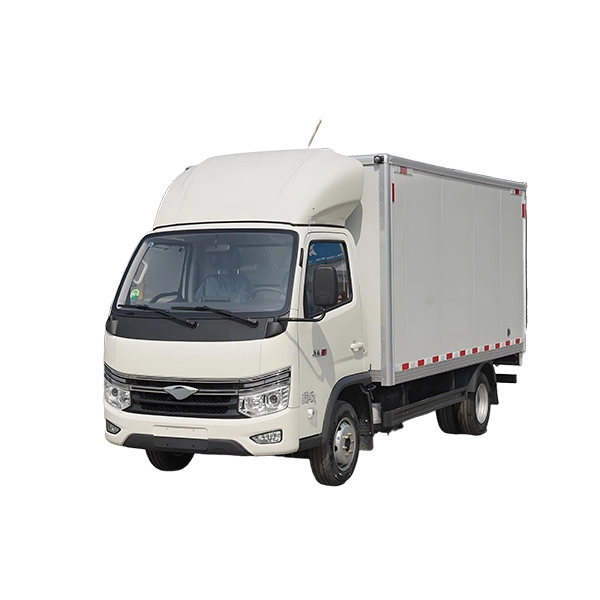
In fields like moving goods and town help, vehicle bodies face huge stress. You want a build that takes inside push and outside damage. Here, top making skills step in. For example, the Insertion Truck Body(Anti-expansion Truck Body) shows the best in special metal craft. These builds fight the push out from big loads or liquid junk, a weak spot in cheap makes.
Using tough metal mixes and extra strong bars, these bodies hold form at full load. The making steps use exact robot joining to make each join tight and solid. For a group boss, this means less wear on the build and much less chance of “body swell,” where truck sides start to curve out as time goes. It shows how picking the right stuff, with good pressing, makes a good that takes years of hard use.
Precision Stamping: The Key to Seamless Replacement
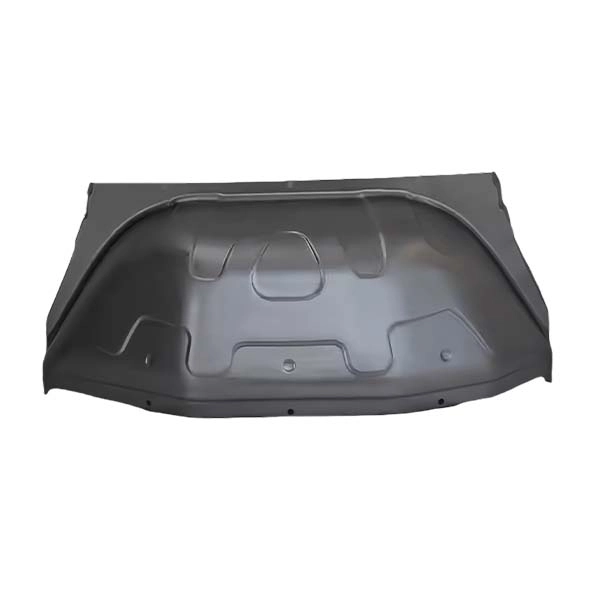
When a bump hits, the front of the car often gets the worst. The hood and nearby sheets act as “crush areas” to guard people inside. But once these aluminum bits bend, getting them back to first air shape by hand alone proves almost out of reach.
That is why exact Hood Panels & Engine Covers matter for good fixes. When you pick a part made by many-step pressing, you know bolt spots, door points, and catch parts will line up just right with the base frame.
Old fix ways often use “putty” and grinding to cover flaws, adding extra mass that can break later. But a plant-level pressed part keeps the first thin-wall strength of the aluminum. This makes sure the car’s safety tools and ADAS (Advanced Driver Assistance Systems) work right, since they need exact sheet lines to spot the path. Picking a swap over a fix not only cuts many work hours but also brings the car back to its first plant safety level.
Eliminating the “Fitment Headache” in the Workshop
For any fix expert, the top annoyance is a part that “nearly” matches. Badly made extra parts often need cuts, holes, or hard bends to hold. This proves extra risky with aluminum, as pushing a match adds hidden strain that leads to early breaks.
Parts made with first forms make sure the “space and level” sizes hit plant rules. This exact work cuts the tough parts of the fix a lot. Workers can stick to putting together the machine side instead of battling the metal. By making this step easier, you cut the “start-to-finish” time—the length the car sits out of use—which counts most for any work group or drop-off firm.
Sustainable Manufacturing and Long-Term Value
Moving to these smart metal builds goes beyond just how well they run; it ties to green ways. Aluminum ranks as one of the top reuse stuff on the planet. Almost 75% of all aluminum made so far stays in play today. When you put money in top aluminum car bodies, you join a loop of reuse.
Past the green side, the lasting worth stands clear. A car that skips rust and keeps its build strength through fine pressing and joining will always fetch more cash used. By choosing pro-level bits at the start build or later fixes, you guard your money put in.
Professional Service and Global Reach
Dealing with world ship rules and special car needs can feel tough. You need a team that gives more than goods. Pro help in cars means tips on picking stuff, full plans for custom jobs, and strong pack to stop harm to soft aluminum sheets in travel.
If you hunt bulk sheets to swap or a planned body for a new electric base, the aim is a clear, open path. Top help makes sure you get right parts when needed, cutting wait time and boosting how well your move tools work.
FAQ
Q: Why is it more expensive to repair an aluminum dent than a steel one?
A: Aluminum needs special gear, like set aluminum joining spots and heat-pull tools, to stop dirt and build fails. Also, since aluminum lacks “metal recall,” it takes way more know-how and hours for a worker to shape a sheet versus steel, which is why swapping often saves cash for aluminum bits.
Q: Can I use standard steel bolts and fasteners when repairing an aluminum truck body?
A: No. Skip common iron steel holders touching aluminum right. That starts electric rust, a mix reaction where aluminum wears fast. Use special covered holders or steel that fights rust, and often pro glues and poppers work best to keep build strength.
Q: How do I know if an aluminum panel should be repaired or replaced?
A: Mostly, if harm has sharp folds, ripped metal, or bends near hold spots, swapping stands as the safe and quick pick. Since aluminum turns breakable when pushed too hard, trying to tug a sharp fold can make hidden tiny breaks that hurt car safety in next bumps. A plant-pressed swap makes the part work just as planners meant.