
New Energy Vehicles’ Five-Year Boom: 75% Annual Growth — How to Continue Leading describes the dramatic expansion many regions have experienced in electric and other new-energy vehicle markets. From breakthrough sales growth to rapid smartification of cars, the last five years have reshaped mobility. For Tairui, a vehicle systems and platform company, understanding the drivers behind this expansion and the roadmap for sustained leadership is a strategic priority.
1. What Fueled the Five-Year Surge
1.1 Demand, policy and charging infrastructure
The “five-year boom” of new energy vehicles (NEVs) reflects several interwoven forces: the strong demand from consumers for lower operating costs and cleaner transportation methods, the decisive incentives and emission regulations implemented by the government, as well as the rapid expansion of charging and refueling networks. These structural driving factors have reduced the barriers to adopting electric vehicles, enabling more individuals and fleets to actually own electric vehicles.
1.2 Technology improvement and cost decline
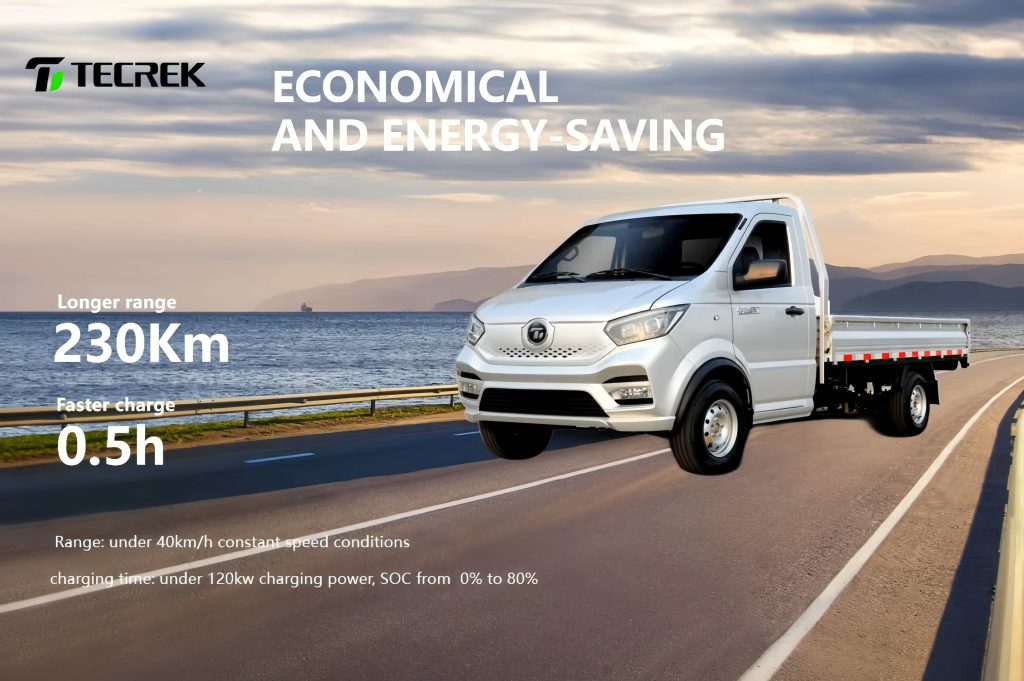
Battery chemistry, cell manufacturing scale, and pack integration improved quickly — lowering per-kWh cost and enabling longer range. Power electronics and motor systems matured as well, so EVs became viable across vehicle classes from city cars to light trucks. This technical progress is a core reason that New Energy Vehicles‘ Five-Year Boom: 75% Annual Growth — How to Continue Leading became reality.
1.3 Intelligentization and software value
The five-year period also saw cars become software platforms. Connected services, over-the-air updates, energy management, predictive maintenance and driver assistance systems added new value layers. That intelligentization helped convert intermittent buyers into repeat customers and fleet operators into long-term adopters.
2. The Three Pillars for Sustained Leadership
2.1 Pillar 1 — Platform flexibility and modular architecture
To remain competitive, automakers must design platforms that support multiple energy architectures (pure battery, hybrid, fuel-cell, or swappable modules), multiple battery chemistries and different levels of autonomy. Tairui builds modular chassis and pack interfaces so customers can choose the right balance of range, cost and duty-cycle without requiring a full vehicle redesign.
2.2 Pillar 2 — Software, services and energy integration
Hardware alone no longer defines leadership — software does. Predictive energy management, optimal routing for charging, smart thermal management and vehicle-to-grid (V2G) capabilities increase real-world utility. Tairui invests in BMS algorithms, telematics and fleet management tools that reduce total cost of ownership and improve uptime—essential for commercial customers.
2.3 Pillar 3 — Supply chain and local ecosystem resilience
Growth requires a resilient supply chain in terms of batteries, power electronic products and rare materials.Growth requires a resilient supply chain in terms of batteries, power electronic products and rare materials. Diversifying suppliers, investing in upstream partnerships, and supporting local charging and recycling ecosystems can reduce risks and costs. Terry is actively seeking to establish partnerships with battery and material suppliers to ensure production capacity and enhance sustainability.
3. Intelligentization: Turning Vehicles into High-Value Platforms
3.1 From vehicle to mobility service node
The intelligentization trend means cars are increasingly nodes in a broader mobility ecosystem. Fleet scheduling, remote diagnostics, and conditional over-the-air tuning let operators squeeze more efficiency from every vehicle. Tairui’s architecture anticipates this — vehicles are shipped with upgradeable compute and secure software stacks.
3.2 Data and safety: the new differentiators
Data-driven optimizations (battery state-of-health estimation, predictive maintenance) improve reliability and reduce downtime. At the same time, privacy and cybersecurity are non-negotiable. Leadership requires robust data governance and safety certification — areas where Tairui allocates engineering and compliance resources.
4. Commercial & Fleet Strategies That Sustain Growth
4.1 Tailored energy strategies for fleets
Highly efficient fleets have different requirements: rapid turnover, predictable energy costs, on-site charging or replaceable battery packs. Tairui helps customers simulate working cycles and select the appropriate battery pack capacity, charging power and vehicle configuration combinations to minimize downtime and maximize profitability.
4.2 Financing, battery-as-a-service and TCO models
Financing innovations—battery leasing, subscription services, or guaranteed residual values—unlock buyers who otherwise hesitate because of battery replacement risk. Tairui supports business models that reduce upfront cost while sharing long-term value between OEM, fleet operator and battery provider.
5. Market & Policy Levers: What Should Continue
5.1 Stable, long-term policy signals
To keep a 75%-style momentum, governments should provide predictable regulatory frameworks, charging infrastructure roadmaps, and incentives aligned to lifecycle emissions and recyclability—not transient subsidies.
5.2 Standards and interoperability
Charging interoperability, charging-billing standards, and common modular battery interfaces accelerate deployment and lower cost. Tairui advocates industry collaboration to create practical standards that enable economies of scale.
Conclusion — How Tairui Plans to Keep Leading
New Energy Vehicles’ Five-Year Boom: 75% Annual Growth — How to Continue Leading is not just a headline — it’s a strategic question. Tairui’s path to continued leadership combines modular hardware platforms, strong software and telematics, resilient supply-chain partnerships, and innovative commercial models (battery-as-service, fleet optimization). By aligning product design with real-world duty cycles and accelerating smart features that truly reduce operating cost, Tairui aims to convert today’s market surge into long-term, sustainable leadership in global new energy mobility.