
The timer to 2026 has started for real. For those who run fleets and make choices in shipping, this year means more than a simple page turn on the calendar; it signals a basic change in moving products around the world. With rules on no-pollution vehicles getting stricter and city entry limited for gas engines, switching to Electric Light Commercial Vehicles (eLCVs) stops being a far-off idea. It turns into a now need for daily work.
If you handle a group of vehicles, you probably deal with the push to cut pollution marks while keeping tight profit edges. Moving to electric energy gives a good chance to fix both issues. Still, doing well relies on picking the best tools and the best team to guide through this tricky path.
A Partner in Your Green Transition
Before we look at the tech changes coming in 2026, it pays to know who can help on this road. ShanDong TaiRui goes beyond a basic maker; they design new ways to get around. Set in China’s main factory area, they have worked for years to match strong build quality with fresh battery tech. When you chat with their group, you talk to real knowers, not just sellers; they understand details like load weights, power setup needs, and full ownership costs. They focus on strong electric work vehicles that do more than run; they fit well in the hard world of today’s shipping tasks. By stressing flexible parts and batteries that last long cycles, they make sure your spend now stays useful deep into the 2030s. Their push for world rules means that no matter if you work in Southeast Asia, Europe, or the Americas, you get a ride made for top quality everywhere but adjusted for steady local use. This approach builds trust, as their vehicles handle real daily demands like rough roads or quick loads without breaking down often, helping fleets cut repair times and boost steady output in varied markets.
Now that you have a firm team in mind, let us see why 2026 acts as the key turning spot for your group’s plan.
Why 2026 Is the Definitive Tipping Point
The shipping field meets a mix of three big pushes: rules, money matters, and company duty to the earth. By 2026, lots of large city spots will add “Green Zones” where only no-smoke rides can go in without big daily fees. If your vehicles stick to diesel, you lose entry to top city jobs.
On top of that, the money side has turned around. The starting buy cost of an electric truck used to block many, but the full cost to own (TCO) has dropped a lot. When you add in climbing prices for old fuels, less fix work for electric motors, and help from government in taxes, an eLCV pays back in the first three years of use. Starting soon lets you grab these gains and get power spots first before others rush in late.
This change calls for tools made for exact jobs. All-around vehicles often flop under heavy shipping stress. You want gear built on purpose that fixes your main worries: distance, carry weight, and steady run. Such picks match the varied needs of routes, from short city hops to longer hauls, ensuring your group runs smooth without extra waste or delays that eat into profits.
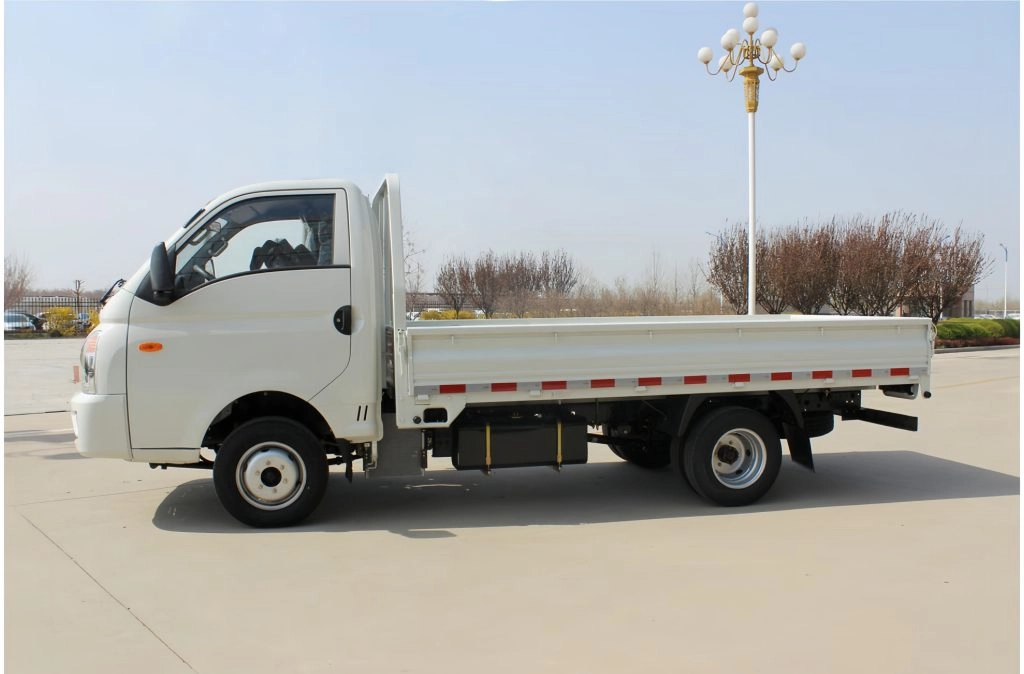
Master Urban Delivery with the Zero Emission Logistics Truck
The core of today’s business stays the “last mile,” the end part from the store house to the buyer’s place. Here, old vans fight high wait costs and wear from constant starts and stops. The Zero Emission Logistics Truck gets made just to lead in this setting.
This ride cuts out the sound and smoke that bring gripes and fees in home areas. Since it runs on a special electric drive, it gives quick pull power, so it moves better in narrow town roads than shaky, slow diesel ones. For a vehicle boss, the worth shows in facts: less moving pieces mean less stoppages. You skip cares about oil screens, fire starters, or hard gear breaks. You have a trusty hauler that fires up each day with a full load of low-cost power. This truck does more than carry; it shows your firm’s promise to a better planet. In busy streets, its quiet run eases neighbor issues, while the strong build handles daily loads of boxes or goods without strain, fitting perfectly for food drops or package sends where time and clean air matter most.
While city sends focus on quick moves and many halts, other shipping areas need plain power and skill to haul big weights over different grounds.
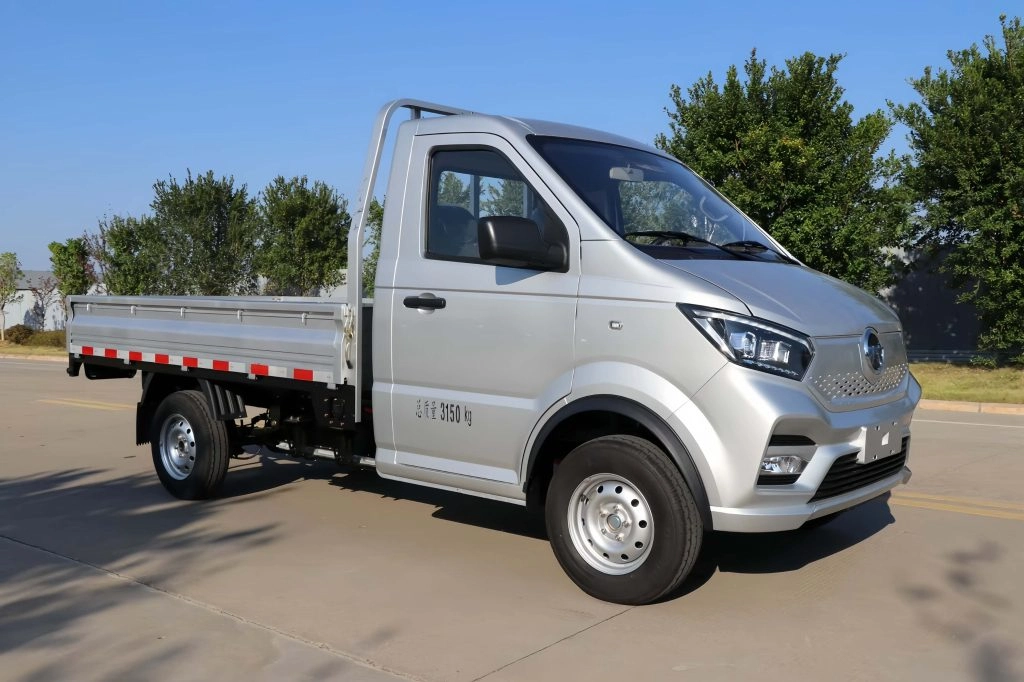
Tackle Heavy Duty Tasks with the 2Ton Electric Cargo Pickup
Not every electric ride limits to small packs. In fields like building sites, farm work, or moving big gear, you need a vehicle that takes the load of your trade. The 2Ton Electric Cargo Pickup covers the space where most electric vans lack.
With a true 2,000kg carry limit, this pickup manages tough lifts without losing the green perks of a battery motor. It has a tougher frame and a strong-pull motor that climbs sharp slopes even when packed full. For you, this lets you switch your whole group to electric, including the hard tasks that once needed smoky diesel trucks. The tough battery shell and weather guards on the power parts make sure wet, dirt, or sand do not halt your work. It brings the solid feel of an old work truck with the quiet, cheap exactness of new electric ways. This setup shines in rough spots, like farm paths or site yards, where it hauls tools or crops reliably, cutting fuel bills and pollution while keeping up with daily grinds that demand strength over long shifts.
Choosing the best ride marks the start, but a group change works only as well as the help behind it. Strong backing turns potential snags into easy fixes, letting your operations flow without big hits to schedules or budgets.
Beyond the Hardware: Service as a Strategy
A usual worry for vehicle owners stays the “what if” case. What if a battery quits? What if parts hide? Here, a pro fix plan turns into your top help. A real change team gives more than keys; they hand a guide for the next ten years.
Today’s eLCV fix uses far-off checks. Many small problems get spotted and even set right through software changes before the driver sees any sign. Also, a solid chain for extra parts and a focused tech crew make sure “stop time” fades from your words. When you pick an eLCV now, you join a fix network made to keep your rides going around the clock. This covers tips on setting power plugs at your main yard and teaching drivers to use energy-back stops, which stretch your reach and spare your stop parts. Such full care means less surprise costs and more up time, building a setup where your fleet hums steady, even as demands grow in a shifting market full of new rules and tech jumps.
Preparing Your Fleet for the Future
As we near the 2026 line, the chance for an easy, slow change shrinks. Firms that hold off till the end hit delays in supply lines, bigger tool prices, and quick loss of city ways. By moving now, you set your business as a front runner in the clean shift.
You earn a leg up in getting deals from big world companies that now ask for “Green Shipping” from helpers. You hold drivers longer by giving a calmer, smoother, and newer work spot. Most key, you guard your money sheet from sure climbs in pollution fees and fuel costs. This forward step not only meets coming needs but opens doors to fresh chances, like teaming with green brands or tapping funds for clean tech, turning what could be a tough switch into a growth path that boosts your standing in the eyes of clients and workers alike.
The move to electric stands not as a block; it opens to a better-run, money-making, and valued business way. Your group’s prep for 2026 begins with one choice right now. Taking that step early locks in gains that last, from lower daily runs to a stronger spot in a world leaning hard toward clean power and smart choices.
Contact Information
Set to check your group’s prep? Our experts wait to give a plan made just for you. They can walk through your routes, loads, and goals to map a switch that fits tight, saving time and cash while meeting all key rules ahead.
- Phone:+86 13678835892 / +86 13869387721
- Email:gong@sd-tairui.com
- Address:10077, Shunwang Avenue, Zhucheng City, Shandong Province, China
FAQ
Q: How does the total cost of an electric truck compare to a diesel truck over five years?
A: While the initial purchase price of an eLCV may be higher, the operational savings are dramatic. Electric vehicles have roughly 60% lower maintenance costs and 70-80% lower “fuel” costs. Most fleets see a total return on investment (ROI) within 24 to 36 months, depending on local electricity rates and mileage. These numbers come from real runs, showing how electric picks cut long-term spends, especially in high-mile spots where fuel and fix bills add up fast for gas trucks.
Q: Can these electric vehicles handle extreme weather conditions, such as high heat or freezing cold?
A: Yes. Modern eLCVs are equipped with advanced Thermal Management Systems (TMS). These systems keep the battery at an optimal temperature, ensuring consistent performance and range whether you are operating in a tropical climate or a cold northern winter. Built-in checks adjust for heat or chill, so your rides stay strong through seasons, avoiding the power drops that hit old engines in bad weather and keeping schedules on track year-round.
Q: What kind of charging infrastructure do I need to start a small electric fleet?
A: Most fleets begin with Level 2 AC “overnight” chargers at their main depot, which can fully charge a truck in 6-8 hours. For faster turnarounds, DC Fast Chargers can be installed to provide an 80% charge in under an hour. We provide full consultations to help you determine the best setup for your specific routes. This guidance covers site checks and cost plans, making sure your power base matches your daily needs without over-spend, and scales as your group grows into more electric units.