
Body-in-White (BIW) is the welded sheet-metal skeleton of a vehicle before painting or final assembly. It defines structural rigidity, crash performance, NVH behavior and overall weight. Today’s BIW relies on a smart mix of advanced high-strength steels (AHSS), ultra-high-strength steels (UHSS), hot-stamped boron steel and aluminum alloys to meet stricter safety rules while cutting mass—especially critical for electric vehicles. Choosing the right material in the right place is the foundation of modern lightweight, safe and cost-effective car bodies.
Overview of Materials Used in Body in White (BIW) Structures
Definition and Importance of BIW in Vehicle Manufacturing
The Body in White (BIW) means the point in car making where the sheet metal parts get welded together, yet before any painting, sealing, or final putting together happens. It acts as the basic frame that sets the main shape and size of a vehicle, affecting its toughness and firmness along with how it handles sound and weight spread.
BIW serves as the foundation for all later vehicle parts, and careful planning in its build directly impacts crash safety, driving steadiness, and noise-vibration-harshness (NVH) results. Smart choices in materials for BIW prove crucial to handle growing needs for safety rules, lighter weight, and better energy use.
Key Objectives in BIW Material Selection
Engineers picking materials for BIW build need to find a good mix between clashing aims like power, mass, price, and ease of making. These aims often clash with each other. Strong materials can weigh more or cost extra; light materials may cause problems in linking or reusing.
In electric vehicles (EVs), cutting weight matters a lot since less mass means longer drive distance and improved battery work. Plus, better ways to soak up crash energy keep riders safe while holding the frame solid.
Common Materials Used in BIW Construction
Advanced High Strength Steels (AHSS)
AHSS stands as a main part of today’s BIW plans. This group covers dual-phase steels, transformation-induced plasticity (TRIP) steels, and martensitic steels. These steels give good power compared to their weight and fit well for shaping tricky forms using regular pressing methods.
Pressing shapes detailed parts precisely, fitting exact needs with other body pieces. The ease of welding AHSS works well with machine-run production setups. Its common role in doors, side walls, and support beams shows its wide use and fair cost.
Aluminum Alloys
Aluminum alloys get picked for being light and resisting rust. People often use them in hoods, doors, and front or back crash areas where dropping mass counts most. In EV uses, aluminum boosts battery life by cutting weight without losing needed strength.
Still, issues exist in linking aluminum to steel and keeping prices in check. Mixed BIW setups blend aluminum with other metals in key spots to get the best results without raising costs too much.
Ultra High Strength Steel (UHSS)
UHSS finds use in spots that need top power with little bending in crashes. It suits well for B-pillars, side hit beams, and floor cross parts.
By placing UHSS wisely, car makers can strengthen high-pressure areas without much added mass. Special welding steps and smart setup of weld spots give the whole build great overall power and firmness. This makes UHSS a key choice in designs focused on safety.
Hot Stamped Boron Steel
Hot stamping turns boron steel into one of the toughest materials in car uses. After shaping, heat treatment brings very high pull strength, perfect for vital areas like A- and B-pillars, roof sides, and tunnel supports.
This material plays a basic role in meeting strict crash rules. Even with its tricky making process, it stays a top pick where keeping riders safe comes first.
Composites and Plastics in Select BIW Components
Composites and built plastics see more use in covers, fenders, and parts that don’t carry loads. These materials add to weight cuts while giving room for design changes and rust resistance.
But they bring hurdles: mainly cost and reuse problems unlike metals. Their role stays small next to metals because of higher prices and tough large-scale reuse.
Application of BIW Materials in ShanDong TaiRui EV Products
ShanDong TaiRui focuses on building smart light EV body frames. With an 85% machine-run level in pressing and welding lines, its main parts work includes pressing and welding items like “double-row body side panels, front door outer panels, and anti-collision beam assemblies,” with a yearly output of more than 400,000 sets. If you want strong EV body answers supported by big making scale and skill, ShanDong TaiRui gives both build know-how and large-amount bend for next-step move platforms.
High Speed EV 3-Door 2-Seat Vehicle Material Strategy
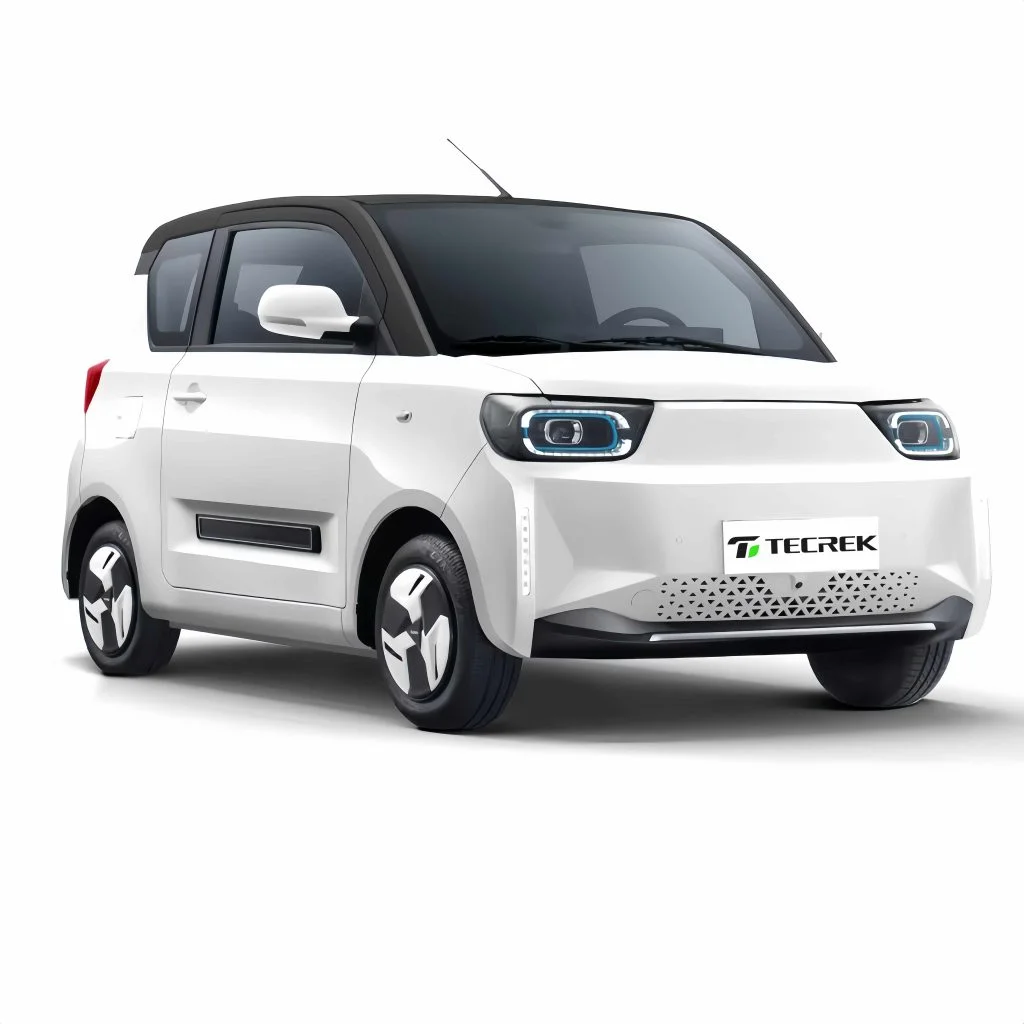
The High Speed EV 3-Door 2-Seat Vehicle mixes AHSS and aluminum alloys tuned for fast driving. AHSS mainly goes into the rider area to keep crash safety at high speeds. Side hit beams and the middle tunnel gain from UHSS to guide forces away from people in crashes.
Aluminum parts fit into front and back under builds to cut total weight while keeping firmness. This two-material way helps a lot with drive range by lowering energy use without losing strength.
NVH results get better too from well-planned material joins that cut shakes during runs. Hot-stamped parts add to rider safety by strengthening roof sides and pillars with super-high pull strength spots.
5-Door Electric Mini Car BIW Architecture
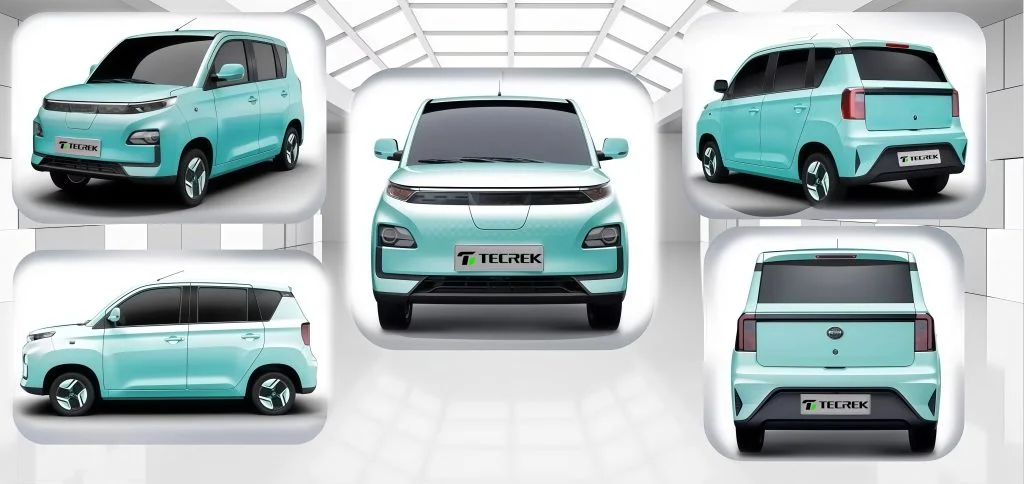
The 5-Door Electric Mini Car stresses good value without dropping city safety traits. This model uses a practical blend of cold-rolled steels for outer walls and floor builds, while putting AHSS in key bend areas and force paths around the rider space.
Its block-style BIW plan lets easy changes for varied types or area versions. It splits vehicle bodies into separate work blocks (like cab, load area, base) for quick joining via standard links. This plan brings scale gains in making while leaving space for personal touches.
To make sure lasting strength in wet or sea-side areas, coated steels cover underbody walls a lot. Plastic parts near wheel curves and side lowers also add rust guard with small weight adds.
Comparative Advantages of ShanDong TaiRui’s BIW Engineering Approach
Lightweight Structures Supporting EV Efficiency Goals
Cutting vehicle mass links straight to better energy work in EVs. By wisely mixing AHSS, UHSS, aluminum alloys, and picked plastics, TaiRui lets the best swaps between power and mass—boosting battery work without losing safety or ease.
Their BIW frames reach low total weights through careful material spread—fitting build needs with custom fixes.
Enhanced Crashworthiness Through Strategic Material Placement
Each crash type needs certain energy soak actions. Hot-stamped boron steel boosts roof crush guard; UHSS in door bases soaks side hits; aluminum in bend zones spreads front crash energy.
Crash tests guide material setup to put power where it counts most. This means shaping metal sheets into parts (like doors, side walls, and anti-collision beams) using press tools, then robots weld them for frame strength.
Manufacturing Compatibility with Modern Forming Techniques
The material plan fits fully with new shaping ways like roll forming for steady shapes, hot stamping for super-strong parts, and laser welding for exact links. The pressing and welding steps get used, which keeps steady size truth while handling tricky shapes needed by today’s EV builds.
Engineering Services and Customization Capabilities at ShanDong TaiRui
Full-Service BIW Development Support from Concept to Production
Besides making skill, TaiRui gives full-range BIW build help—from first CAD drawings to check tests using FEA study. Crash tests make sure frame ideas meet rule needs before tool spending starts.
Their build flow lets quick repeat steps matched to changing buyer hopes or law changes.
Customization Options Based on Vehicle Class and Market Demands
Whether starting an L7e quadricycle or a five-door city EV, TaiRui hands custom BIW plans fit to speed type, seat count, or load traits. Meeting special needs for varied vehicle types makes sure rule follow across world areas while tuning cost-power balances at big scale.
Connect with ShanDong TaiRui for Advanced EV Body Solutions
Technical Consultation and Partnership Opportunities
Whether you run an OEM or start-up stepping into EV world, TaiRui’s skill team gives pro advice over every step—from idea check to big-run planning. Their know with mixed material setups gives a quick start on getting light yet safe vehicle plans fit to your brand style.
Contact Channels for Project Inquiries or Collaboration Proposals
Work right with TaiRui’s build staff to grow body-in-white plans that match your task times. Their test centers back early check builds while making lines grow fast as need rises—making them a steady partner over your product life.
FAQ
Q: Why is AHSS widely used in BIW structures today?
A: AHSS gives fine power-to-weight balances while staying fair in cost. It shapes into tricky forms via pressing and welds well on machine lines, making it great for many build parts.
Q: How does aluminum improve EV performance when used in BIW?
A: Aluminum cuts vehicle mass a good deal, leading to better battery work and longer drive range—key in electric vehicles where weight drops turn into real gains.
Q: What are the key challenges when using composites or plastics in BIW?
A: Though they cut weight more, composites hit walls like higher costs and reuse worries next to metals. Their use often sticks to parts without loads or looks-based spots.