
یک کامیون برقی تحویل بار شهری به ندرت مانند تست برد چاپ شده روی بروشور حرکت میکند. بار مفید در طول مسیر تغییر میکند، درها بارها باز میشوند، وسیله نقلیه دهها بار از سرعت کم شتاب میگیرد، کنترل آب و هوا ممکن است به طور مداوم کار کند و ترافیک میتواند یک سفر قابل پیشبینی را به دورههای طولانی توقف و حرکت تبدیل کند. بنابراین، برنامهریزی مسیر باید به جای میانگین ناوگان، از سختترین وظیفه روزانه استفاده کند. مسافت، مشخصات بار مفید، شیبها، تعداد دفعات توقف، بارهای کمکی، دسترسی به شارژ و ذخیره مورد نیاز در پایان شیفت، همگی در یک محاسبه برد قرار میگیرند.
برای ناوگان لجستیک و خدمات شهری، شاندونگ TaiRui میتواند در مقایسه با مسیر واقعی، بدنه بار، برد بارگیری، محل شارژ، الزامات جادهای محلی و دسترسی تعمیر و نگهداری موجود برای اپراتور ارزیابی شود.
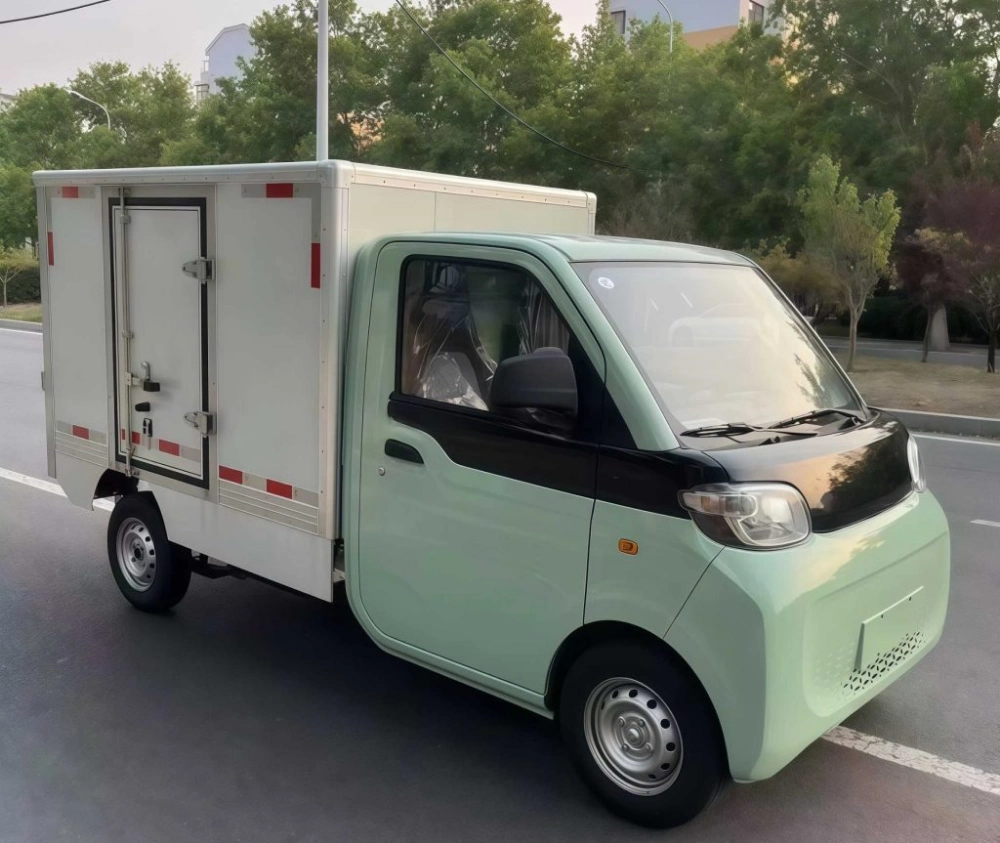
برد باید از سختترین مسیر محاسبه شود
- محدوده تحویل خودروهای برقی شهری باید بر اساس مسافت مسیر، بار مفید، تعداد دفعات توقف، آب و هوا و بازه زمانی شارژ محاسبه شود.
- خودرویی که در محدودهی مسافت اسمی مناسب به نظر میرسد، ممکن است با باز شدن مکرر درها و تغییر بار در تمام طول روز، عملکرد ضعیفی داشته باشد.
- برنامهریزی ناوگان باید شامل محل قرارگیری شارژرها، برنامهی راننده و محدودهی رزرو برای تأخیرها باشد.
مصرف انرژی در تحویل بار شهری با رانندگی مسافربری متفاوت است
برنامهریزی مسافت کامیونهای برقی تحویل شهری با تعداد توقفها و میزان بار مفید شروع میشود، نه فقط با مسافت قابل پیمایش رسمی. یک وسیله نقلیه تحویل ممکن است در هر مسیر بارها شتاب بگیرد، پارک کند، درها را باز کند، لوازم جانبی را غیرفعال کند و دوباره شروع به حرکت کند. هر رویدادی بر مصرف انرژی تأثیر متفاوتی نسبت به رانندگی ثابت دارد.
طراحی مسیر باید مسافت ثابت، انحرافات متغیر، وزن بارگیری، سرعت متوسط و فرصت شارژ را از هم جدا کند. این کار تخمین برد مطمئنتری نسبت به یک شماره نمایشگاه ایجاد میکند.
بار مفید، حاشیه سود را تغییر میدهد
بار مفید بر شتاب، انرژی ترمز، بار تایر و عملکرد در سربالایی تأثیر میگذارد. یک مسیر سبک در صبح و یک مسیر سنگین در بعد از ظهر ممکن است مانند دو وسیله نقلیه متفاوت به نظر برسد. ذخیره برد باید برای شرایط سنگینتر و کمتر قابل پیشبینی تنظیم شود.
قبل از مقایسه اقتصاد برد، محیط عملیاتی باید قانونی و عملی باشد. الزامات پیرامون خودروهای برقی کمسرعت، قانونی برای تردد در خیابانها میتواند بر دسترسی به جاده، سرعت مجاز، ثبت نام و بنابراین مسیرهای تحویلی که وسیله نقلیه میتواند به طور واقعبینانه در آنها خدمت کند، تأثیر بگذارد.
جدول برنامهریزی
| عامل مسیر | چه چیزی را ضبط کنیم | تأثیر بر برنامهریزی خودروهای برقی |
| بارگذاری | میانگین و حداکثر بار | شتاب و برد ذخیره را تغییر میدهد |
| توقفها | توقف در هر کیلومتر یا در هر ساعت | افزایش تقاضای انرژی برای شروع و توقف |
| شارژ | زمان دپو و قدرت شارژر | ظرفیت بازیابی روزانه را تعریف میکند |
| آب و هوا | گرما، سرما، استفاده از لوازم جانبی | مصرف باتری و انرژی کابین را تغییر میدهد |
محصول مناسب برای ناوگانهای مسافت طولانی
یک کامیون الکتریکی تحویل شهری باید با چگالی بار مفید و توقف نماینده آزمایش شود. شاندونگ TaiRui سپس میتوان آنها را از نظر برد قابل استفاده، زمان شارژ، پیکربندی بار، عملکرد در هر درجه، دید راننده و الزامات خدمات برای وظیفه شهری مورد نظر مقایسه کرد.
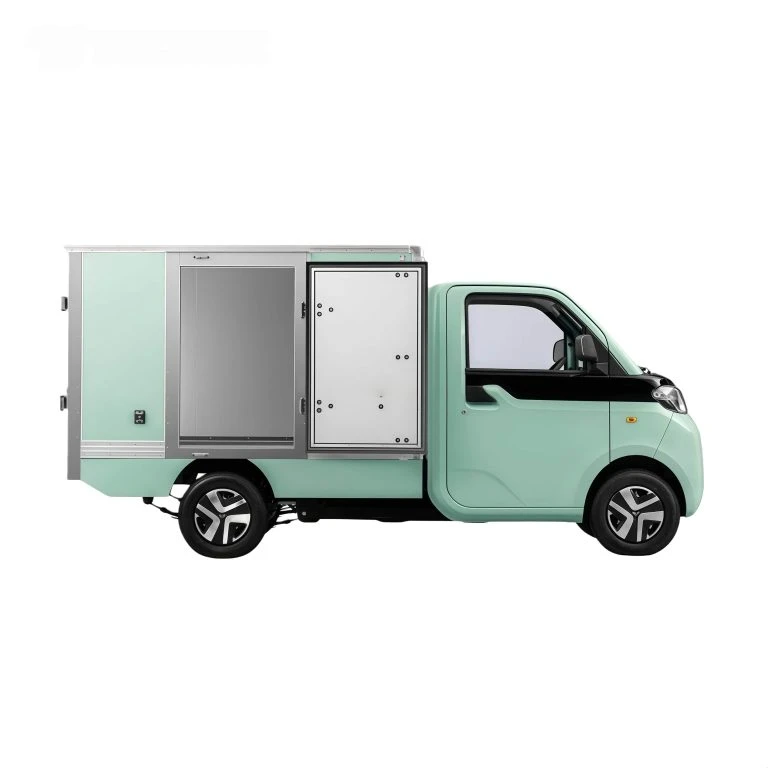
وسیله نقلیه باید در یک مسیر نمونه به جای یک حلقه نمایشی کوتاه آزمایش شود. تعداد واقعی توقفها و وزن بار نشان میدهد که آیا محدوده پیمایش واقعی است یا خیر.
اشتباهات ناوگان
یک اشتباه، استفاده از منطق برد خودروهای سواری برای کارهای تحویل است. اشتباه دیگر، نادیده گرفتن برنامهریزی شارژرها هنگام بازگشت همزمان چندین وسیله نقلیه است. اشتباه سوم، عدم تعریف حداقل ذخیره برای تأخیرهای ترافیکی و تغییرات مسیر است.
یک طرح ناوگان مناسب، وسیله نقلیه، مسیر، شارژر و روال راننده را به عنوان یک سیستم عامل در نظر میگیرد.
اعتبارسنجی ناوگان باید از مسیر واقعی استفاده کند
کامیون برقی تحویل شهری باید با الگوی مسیر واقعی آزمایش شود، زیرا برنامهریزی برد کامیون برقی تحویل شهری با توجه به بار مفید، تعداد توقفها، شیب، دما، رفتار راننده و برنامه شارژ تغییر میکند. یک مسیر نمایشی کوتاه نمیتواند نشاندهنده یک روز تحویل کامل باشد.
تیمهای ناوگان باید سطح باتری شروع، وزن بار، مسافت طی شده، تعداد توقفها، استفاده از لوازم جانبی، سرعت متوسط و باتری باقیمانده در هنگام بازگشت را ثبت کنند. این کار به جای تکیه صرف بر برد اسمی، یک حاشیه عملیاتی عملی ارائه میدهد.
زیرساختهای شارژ باید با توجه به تعداد خودروها برنامهریزی شوند. اگر چندین خودرو همزمان بازگردند، ممکن است توان شارژر و چیدمان پارکینگ به محدودیت واقعی در عملکرد روزانه تبدیل شود.
سوالات مربوط به مشخصات ناوگان
میانگین و حداکثر بار مفید در شلوغترین مسیر چقدر است؟
هر وسیله نقلیه در هر شیفت چند توقف دارد و چه مدت درجا کار میکند؟
وسایل نقلیه کجا میتوانند شارژ شوند و چقدر زمان بین مسیرها در دسترس است؟
چه قوانین محلی مربوط به جاده، گواهینامه و سرعت برای نوع وسیله نقلیه انتخاب شده اعمال میشود؟
محدوده تحویل باید در سختترین مسیر آزمایش شود
برد تحویل شهری با توجه به تعداد توقفها، بار مفید، سرعت مسیر، شیبها، دما و میزان استفاده از توان کمکی تعیین میشود. یک رانندگی نمایشی روان و بدون بار میتواند باعث شود که وسیله نقلیه در طول یک مسیر پربار، قویتر از آنچه که خواهد بود، به نظر برسد.
آزمایش مسیر باید هزینه شروع، وزن بار، تعداد توقفها، زمان انتظار، استفاده از لوازم جانبی کابین و هزینه باقیمانده در زمان بازگشت را ثبت کند. این کار به جای تکیه صرف بر برد اسمی، یک حاشیه عملیاتی قابل تکرار ایجاد میکند.
پنجرههای شارژ باید با توجه به گردش خودرو محاسبه شوند. یک شارژر که روی کاغذ قدرتمند به نظر میرسد، ممکن است در صورت ایجاد ازدحام در پارکینگ، دسترسی به پریز برق یا برنامههای رانندگان، نتواند خودروهای کافی را بازیابی کند.
پذیرش ناوگان باید شامل بازخورد راننده باشد زیرا شعاع چرخش، دید آینه، ارتفاع بارگیری، کنترل دنده عقب و راحتی کابین، حتی زمانی که عملکرد باتری قابل قبول است، بر زمان مسیر روزانه تأثیر میگذارند.
برنامهریزی تعمیر و نگهداری باید در مدل مسیر باقی بماند. سایش لاستیک، بررسی ترمز، بار سیستم تعلیق، بازرسی شارژر و تشخیص باتری حتی زمانی که سیستم انتقال قدرت قطعات سرویس کمتری دارد، همچنان بر زمان آماده به کار تأثیر میگذارند.
چیدمان بار باید با شکل واقعی بار بررسی شود. جعبهها، ابزارها، کالاهای سرد و کیسههای بستهبندی از فضای بار به طور متفاوتی استفاده میکنند و دسترسی بارگیری میتواند تعیین کند که آیا وسیله نقلیه در یک مسیر شلوغ در زمان صرفهجویی میکند یا خیر.
شبیهسازی مسیر باید شامل سختترین بخش روز باشد، نه فقط مسیر معمولی. محمولههای سنگین، تأخیر در ترافیک، هوای گرم، شروعهای مکرر و استفاده از لوازم جانبی میتواند حاشیه برد را بیش از یک رانندگی نمایشی روان کاهش دهد.
اپراتورهای ناوگان باید میزان بازیابی شارژ را بر حسب خودروها در ساعت محاسبه کنند، نه فقط قدرت شارژر. چیدمان پارکینگ، دسترسی به پریز برق، زمانبندی تعویض دنده راننده و اشتراکگذاری شارژر میتواند تعیین کند که آیا ناوگان برای مسیر بعدی آماده است یا خیر.
بار مفید باید از نظر حجم بار و همچنین وزن بررسی شود. یک وسیله نقلیه ممکن است جرم را با خیال راحت حمل کند اما هنوز فاقد فضای بارگیری عملی، دسترسی به درب یا راحتی بستن آن برای مسیر باشد.
برنامهریزی تعمیر و نگهداری باید شامل لاستیکها، ترمزها، سیستم تعلیق، بررسی باتری، بازرسی شارژر و تشخیص نرمافزار یا کنترلر باشد. خودروهای برقی برخی از موارد سرویس را کاهش میدهند اما تعمیر و نگهداری ناوگان را حذف نمیکنند.
بازخورد راننده در طول آزمایشهای اولیه مفید است. حتی زمانی که محدوده فنی قابل قبول باشد، میزان دید، شعاع چرخش، ارتفاع بارگیری، راحتی کابین و مانور معکوس بر بهرهوری روزانه تأثیر میگذارند.
یک خرید مطمئن ناوگان معمولاً شامل طی کردن یک مسیر آزمایشی، بررسی شارژر، بررسی بار مفید و بررسی انطباق محلی است. نادیده گرفتن هر یک از این مراحل میتواند یک وسیله نقلیه مناسب را به یک وسیله نقلیه نامناسب تبدیل کند.
بدترین مسیر را مدلسازی کنید، نه مسیر متوسط
میانگینهای ناوگان میتوانند یک مسیر را پنهان کنند که تعیین میکند آیا وسیله نقلیه اصلاً کار میکند یا خیر. یک مدل مسیر برای طولانیترین ترکیب مسافت، بار مفید، شیب، ازدحام و تعداد توقفهای احتمالی در عملیات عادی بسازید. زمان صرف شده برای بیکار ماندن با بارهای کمکی فعال و هرگونه شتاب کوتاه مکرر بین توقفها را نیز در نظر بگیرید. ذخیره باتری مورد نیاز باید در انتهای آن مسیر بررسی شود، نه فقط در پایانه پس از یک روز کاری آسان.
پنجرههای شارژ نیز به همین واقعبینی نیاز دارند. یک شارژر ممکن است توان نامی کافی داشته باشد، اما وسیله نقلیهای که دیر برمیگردد، شارژر را به اشتراک میگذارد یا پس از یک چرخش کوتاه دوباره آنجا را ترک میکند، ممکن است انرژی فرض شده در طرح را بازیابی نکند. زمان توقف واقعی و اینکه آیا توان شارژ کاهش مییابد یا توسط ظرفیت الکتریکی سایت محدود میشود را ثبت کنید. این کار «شارژ شبانه» را از یک فرض به یک برنامه تبدیل میکند.
یک طرح آزمایشی همچنین باید مصرف انرژی را در هر بخش از مسیر به جای یک عدد روزانه پیگیری کند. سپس تغییرات در بار مفید، آب و هوا، ترافیک و رفتار راننده قابل مشاهده خواهد بود. پس از چند روز نمونه، ناوگان میتواند یک ذخیره عملیاتی برای اعزام تعیین کند و تصمیم بگیرد که آیا کامیون باید در یک مسیر بماند، در مسیرهای مختلف بچرخد یا در طول روز کاری هزینه فرصت دریافت کند.
سوالات متداول
چگونه باید یک مسیر تحویل شهری خودروهای برقی آزمایش شود؟
از یک بار نمونه، تعداد دفعات توقف معمول، ترافیک واقعی و استفاده از لوازم جانبی مورد انتظار استفاده کنید. به جای تکیه صرف بر برد اسمی، برد باقیمانده را پس از طی مسیر اندازهگیری کنید.
آیا بار مفید، برد کامیون برقی را کاهش میدهد؟
بله. بار بیشتر، تقاضای انرژی را در هنگام شتابگیری افزایش میدهد و میتواند حاشیه برد را کاهش دهد، به خصوص در مسیرهای تپهای یا مسیرهای شروع-توقف.
قبل از خرید ناوگان، چه اطلاعات شارژی لازم است؟
زمان توقف در ایستگاه، قدرت شارژر، تعداد وسایل نقلیه، طول مسیر روزانه و اینکه آیا امکان شارژ در طول روز وجود دارد یا خیر را جمعآوری کنید.
کامیون را از نظر بار مفید، توقفها و شارژ با هم اعتبارسنجی کنید
پهن تر دسته کامیونهای برقی تحویل بار شهری بهتر است پس از اینکه ناوگان مسافت روزانه، حداکثر و میانگین بار مفید، شیب مسیر، تعداد توقفها، توان شارژر، زمانبندی تعویض دنده و برد ذخیره مورد نیاز برای انحراف از مسیر یا ترافیک را ثبت کرد، محدود شود.