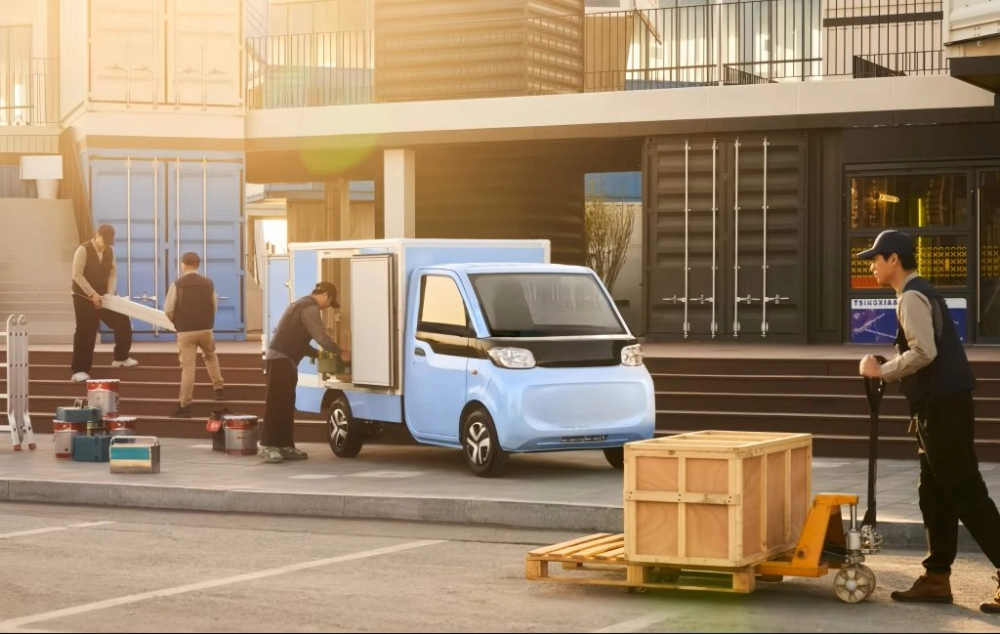
How Should Urban Delivery Fleets Balance Payload, Stops, and EV Battery Range

The fleet should size route margin from measured loaded energy use, stop density, auxiliary loads, and charger access rather than applying the vehicle’s published range directly to every duty cycle. An urban delivery electric truck spends much of its day accelerating, braking, waiting, loading, and restarting. Its route may be short, yet the energy demand can be higher than a longer steady-speed trip. Payload, stop density, refrigeration or lift equipment, traffic, road grade, and driver behavior all shape usable range. A route plan based only on the vehicle’s rated range can leave too little margin for the final deliveries. A better method builds a duty cycle from the actual delivery […]